Business phone systems are full of valuable features and tools. Some VoIP providers offer only a few dozen features while others have over 100. As your business grows, many of these features become increasingly valuable. Ensuring your employees have the tools they need to easily communicate with your clients and each other is critical as your venture grows and becomes more complex. The most sought-after features combine traditional telephony with AI-enhanced capabilities that automate routine tasks and provide actionable insights. As you can see with many of the tools below, while they might not be as valuable to a business with a couple employees, they are vital for those with a larger staff that have varying needs and responsibilities.
Metered or Unlimited Calling
Most VoIP phone services today allow unlimited incoming and outgoing calls. However, this usually only applies to domestic calls and calls using local phone numbers. As of 2025, many providers offer unlimited calling areas to include Canada and Mexico at no additional charge, reflecting the increasing integration of North American business markets. Many providers impose extra charges and restrictions for toll-free calling. In addition, some cloud phone systems offer metered extensions or pay-as-you-go phone lines.
Voicemail Options
Business phone systems may offer shared and individual voicemail boxes. Most let users check messages from anywhere. VoIP providers also offer visual voicemail and voicemail-to-email. The former displays a list of your voicemails and you can listen to them in any order while the latter sends an email with your message as an audio attachment. Voicemail transcription accuracy has improved significantly thanks to advanced natural language processing, and many providers include multilingual transcription capabilities as standard features.
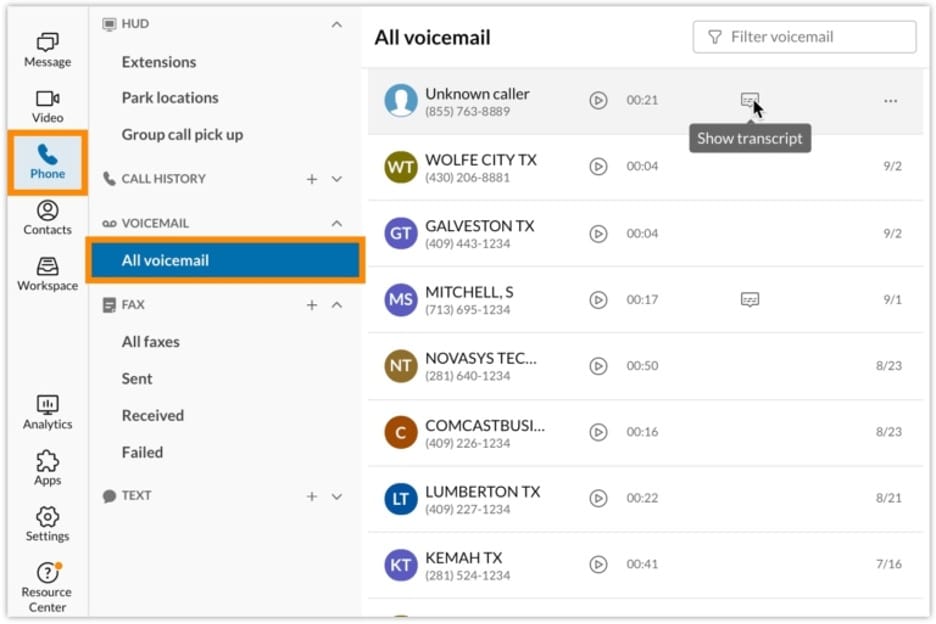
Most business phone systems offer users the ability to read their voicemail messages directly from their desktop or mobile app. Source: RingCentral
Caller ID
Modern caller ID systems go beyond displaying phone numbers. This basic function shows the number of the person calling you. Enhanced caller ID now includes spam detection, reputation scoring and integration with business databases to provide context about unknown callers, including their company affiliation and potential business value. The caller ID appears on desk phones or through a softphone on your computer or mobile device.
Speed Dial
Instead of dialing a seven-digit number, you can push one button to connect to the numbers you call most. This feature applies to desk phones but many softphone apps provide a favorites list for your most-used contacts. Voice-activated dialing has become increasingly sophisticated, allowing users to call contacts using natural language commands like “call my last customer” or “dial the shipping department.”
Softphone apps connect your tablet, computer or cell phone to your business phone service. This software provides a keypad and other call handling features for placing a caller on hold or transferring them to a co-worker.
Personal and Company Directories
A personal directory is an easy way to manage your contacts. It gives you access to your contacts’ phone numbers whenever needed. A company directory displays every employee (and their contact information).
Do Not Disturb
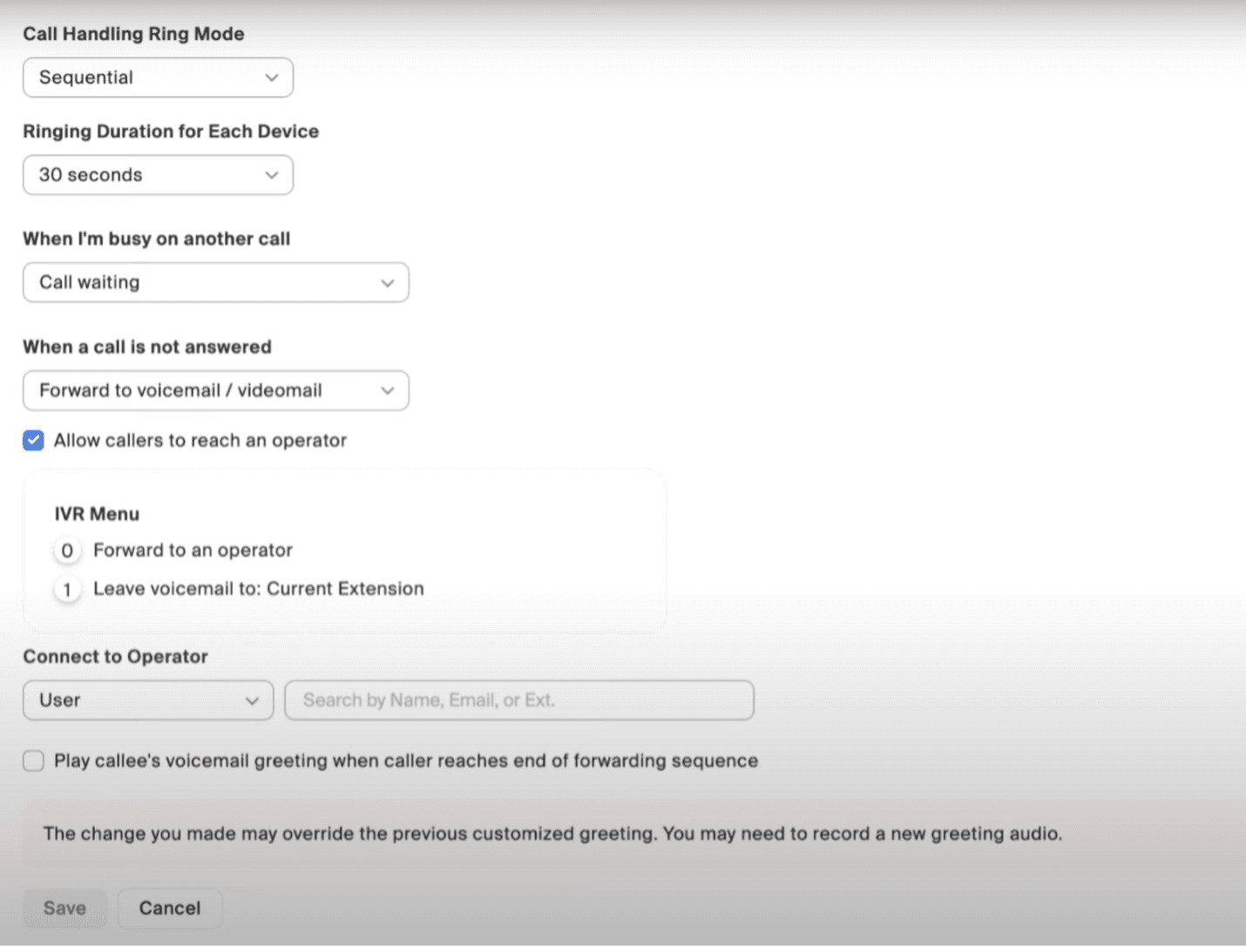
When working on a big project or important task, you can put your phone in this mode to prevent interruptions. Your phone will not ring and all callers are sent directly to voicemail.
Single and Multilevel Automated Attendants
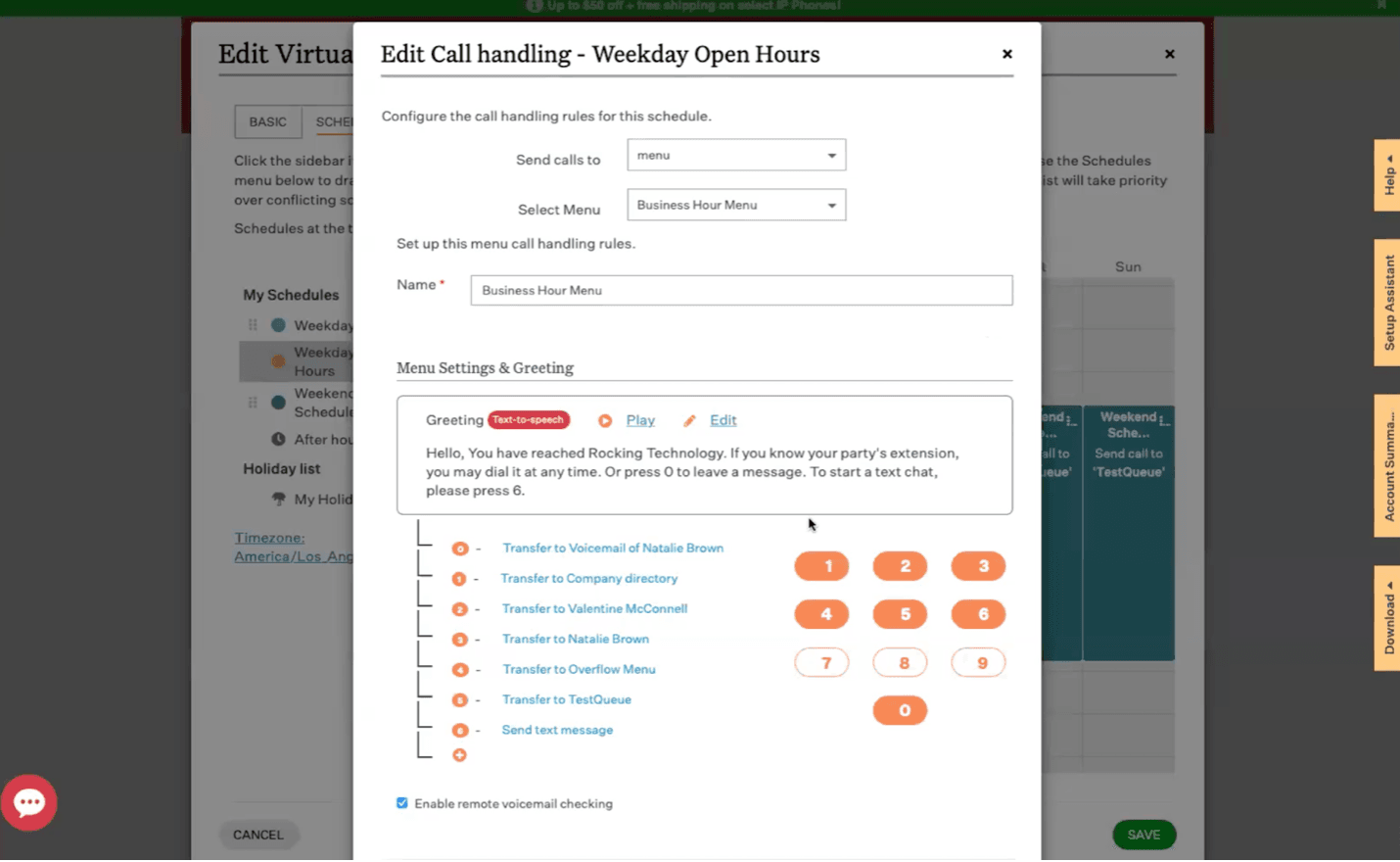
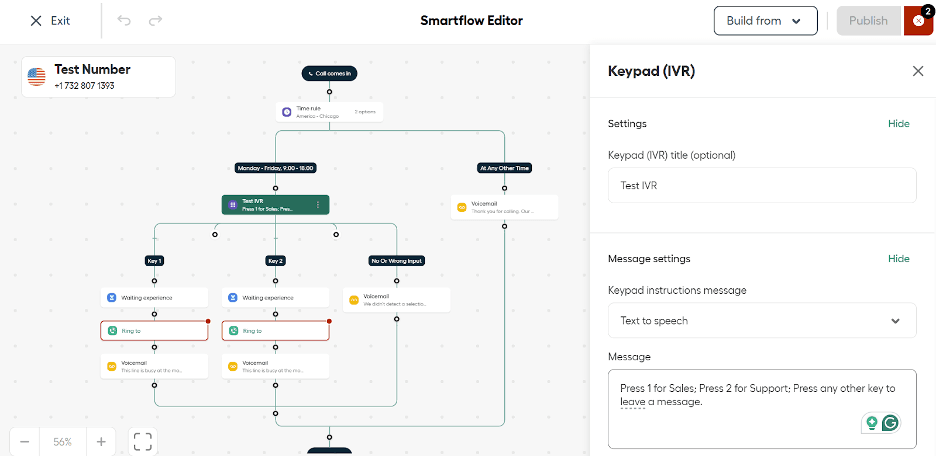
An auto attendant answers calls to your business, plays a greeting and directs the caller to the person or department they are trying to reach automatically. Advanced systems may offer multilevel auto attendants, which offer more extensive options, including transferring the caller to another auto attendant or IVR system.
Even small businesses
benefit from using a virtual receptionist to improve experiences. Automated attendants can answer lines promptly during peak hours. The systems also handle after-hours calls and reassure clients that you will receive their messages and respond upon opening.
On-hold Music
You can choose the music callers hear while they wait on hold. Most vendors offer prerecorded tracks while others let you upload a custom music playlist, which may include messages for callers.
Paging
You can use your phone to send messages to everyone, similar to a traditional intercom system. Certain services can also connect your VoIP system to a physical paging system.
Call Flip
This option allows users to move seamlessly between devices while on a call without putting the caller on hold. It’s ideal for business owners who run their company from a smartphone or anyone who shifts between mobile and desktop devices frequently.
Presence
The presence status shows employees whether their colleagues are on a call or available to chat. Some solutions let users choose a status like out-of-the-office, away from my desk or in a meeting.
Call Reports
Call logs provide basic analytics on your company’s phone usage. You can often break down usage statistics by filters, such as by employee or department.
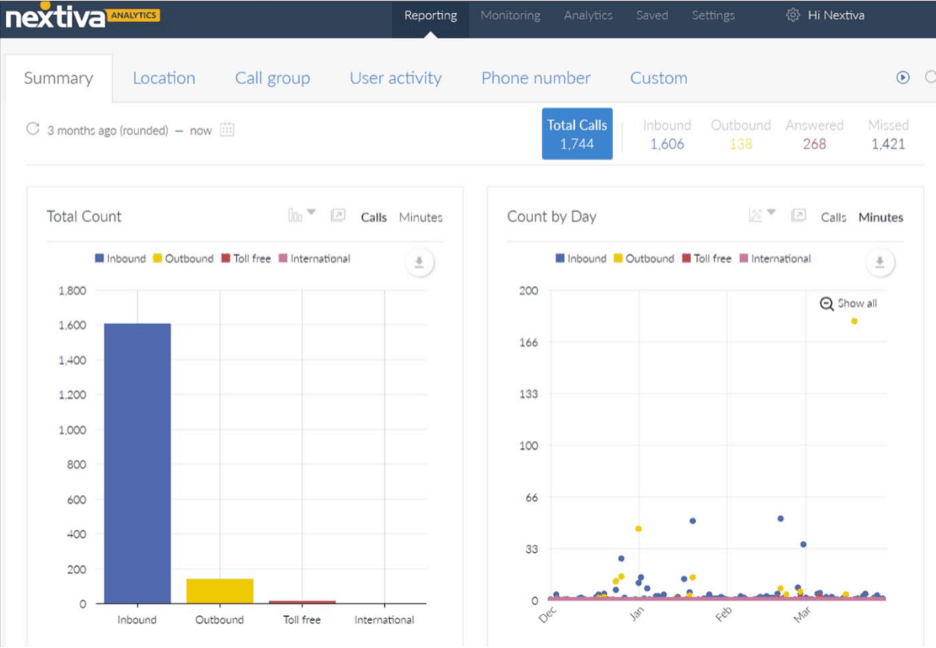
Business phone systems include various reports and analytics that give businesses better insight into the calls their organization is making and receiving. Source: Nextiva
Online Management
All VoIP systems can be managed in an online portal. From the dashboard, you and the other administrators can add users, set phone numbers, review call reports, create ring groups and see monthly statements. Employees can also access the portal to check their voicemail, view a company directory and set call forwarding routes.
Online admin tools centralize emergency management. Some systems let employers establish 911 locations and forwarding rules for internet outages. These tools are critical to business continuity and
disaster prep planning.
Call Forwarding
Your office phone can forward calls to another number automatically. This could be a mobile phone, another employee’s line or an external VoIP or analog phone.
Extension Dialing
Employees can dial a co-worker by a three-, four- or five-digit extension instead of their entire phone number.
Call Recording
Many cloud-based phone systems give you the ability to record your calls. Depending on the phone provider and administrator settings, this feature may be on-demand or automatic.
Ring Groups
You can create ring groups for employees who answer calls from the same group of customers. For example, your customer service team might have its own ring group. The entire group is notified when a caller asks to speak to a customer service representative.
Call Queues
This tool is typically used in call centers or companies with high call volumes. However, even small businesses like restaurants can use this feature during peak hours to manage phone orders. It puts callers “in line” so that their calls can be answered when operators become available.
Speakerphone
Many IP phones include a speakerphone option that allows you to speak to a caller without using the phone’s handset.
Call Transfer
Employees can quickly transfer calls to their colleagues. Some solutions offer warm transfers, which let you speak with your co-worker before passing the call.
Audio and Video Conferencing
Top-rated phone systems typically support three-way calling, one-to-one video meetings or larger conferences on one or more service plans. Native online meeting technologies let your team convert a chat or voice conversation into a video call with one click.
Team Messaging and SMS
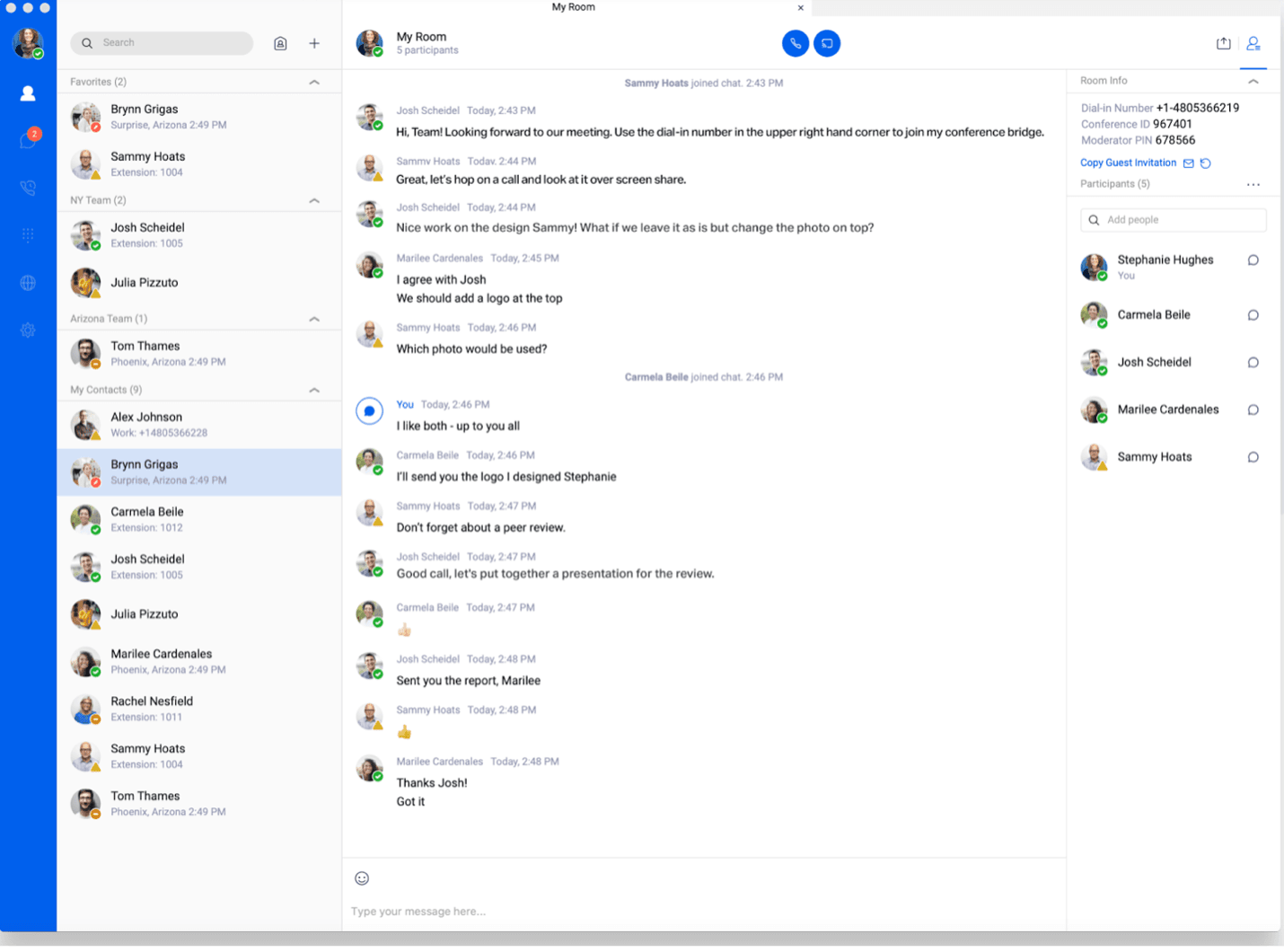
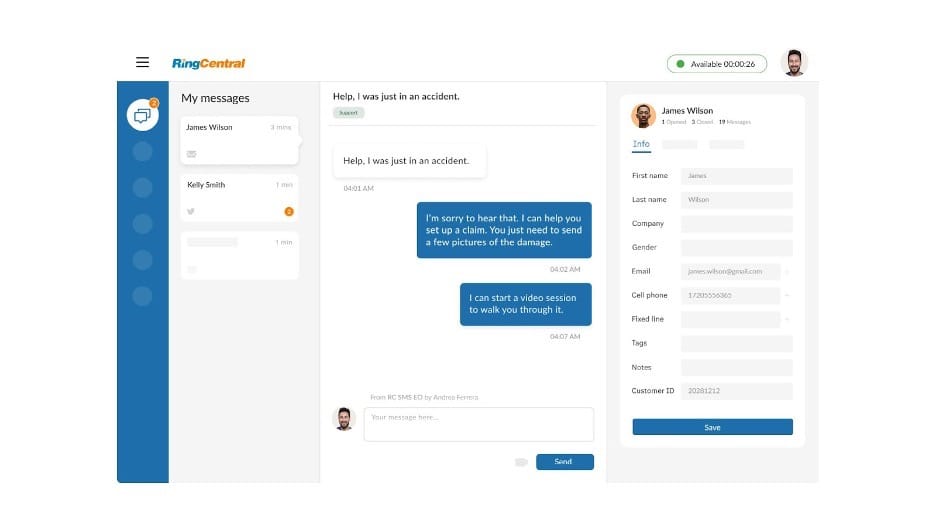
Most business phone systems offer SMS/MMS text messaging options and team chat tools. Employees can use softphone or browser-based apps to communicate one-on-one or in groups. The team messaging services usually support file sharing while business texting solutions may vary by subscription.
CRM Integration
Your business phone system will be one of the primary ways you talk to prospects and customers, so an integration with your CRM system is crucial. Business phone systems that integrate with your CRM system can automate updating contact profiles and ensure you have the latest data, such as when the last contact was made, who initiated it, what was discussed, and customer sentiment.
Reporting and Analytics
Business phone systems with detailed reporting and analytics tools help managers track call metrics like call volume and wait times. These metrics can help monitor team performance and identify areas of opportunity to improve the caller experience.
Due to
text messaging laws and regulations, many VoIP providers no longer offer unlimited texting with service plans. Clarify the limitations and overage fees before choosing a phone system.