Written for the leaders, owners and professionals of the 11 million businesses with between $50,000 and $50 million in revenue.
|
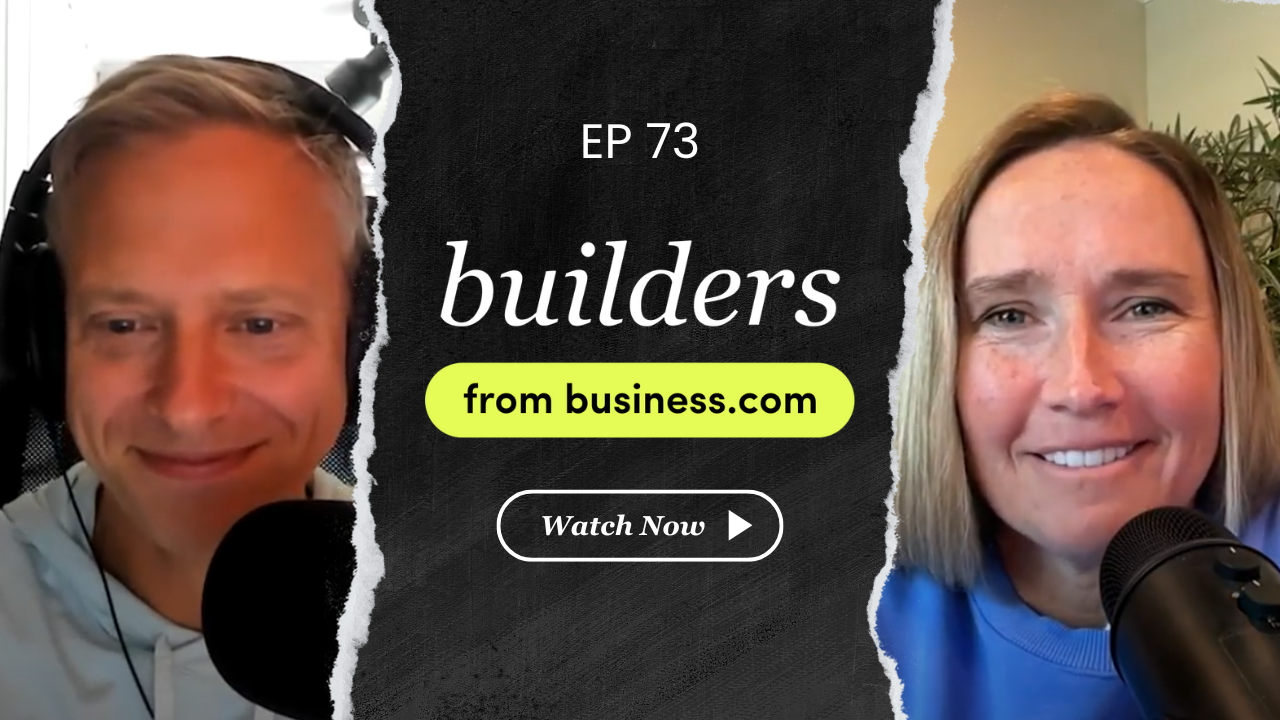
Today’s builders podcast conversation is with Natalyn Lewis, founder of Ascend EQ, on overcoming anxiety at work. We discuss her journey from battling anxiety to becoming an expert in emotional intelligence, the impact of personal experiences on mental health in leadership roles, and practical tools for managing anxiety. Watch the episode on YouTube now or subscribe on your favorite platform.
|
|
|
Moving on up: When to expand to a larger office
Redbox: DVD rental service is gone but not forgotten
On the Edge: Nate Silver’s book on risky business
Taco Bell: Inside burrito-themed retirement community
|
|
|
Moving On Up: When to Expand to a Larger Office
|
Does a small business need to stay in a small office?
It can be surprisingly difficult to identify when your company has outgrown its office space. Professional organizer Star Hansen tells b. that some business leaders wait until papers stack up and employees compete for any clear surface, while other leaders upgrade too soon.
“A larger office may give you what you need to thrive at work, but it may also be completely unnecessary and add to your workload,” Hansen says.
To recognize when the timing is just right, pay attention to head count instead of mere clutter. An overabundance of files, equipment, or other inanimate office items can be addressed with better digitization, storage, and organization solutions, Hansen says.
But employees need appropriate workspaces to focus and be productive — and for compliance with OSHA’s maximum occupant loads. That’s especially important if you intend to do more hiring. A larger office might cost you in rent, but an overcrowded one will cost you in morale.
Companies should review their growth every year and plan ahead accordingly. “If these growth plans require additional head count and room to execute new projects, it may be time to begin looking for additional space,” advises Ben Johnston, COO of small business lender Kapitus.
In some cases, reshaping the office layout to use the space better may be possible, and it makes sense to try this first. There might even be more space available in your current building, which would lower moving costs.
Survey the specific needs of your entire team. For instance, if someone is visually oriented and needs to see in-progress projects, “ensure you have plenty of wall and surface spaces,” Hansen recommends.
Ultimately, the decision to relocate will depend on “meeting the evolving needs of your staff,” says Aaron White, the CEO of market company Outbound. “They’re the primary users of your office space, so involving them in the decision-making process is crucial.”
|
|
|
Streamline clientflow for your business, from lead to sale
|
From lead generation and nurturing to closing deals and billing, you need more than just a CRM platform. A clientflow management system can do it all.
One of our favorite platforms is Honeybook, which seamlessly brings together every aspect of a customer’s journey. With Honeybook, you can field inquiries, schedule appointments, share contracts, manage projects, accept payments, and issue invoices. All of these tools are packaged in a user-friendly platform that’s simple for your team and your customers.
If Honeybook sounds like just what you need, you’re in luck — you can try it for free today by clicking the link below.
|
|
|
Why Redbox’s Journey Hit Pause Forever
|
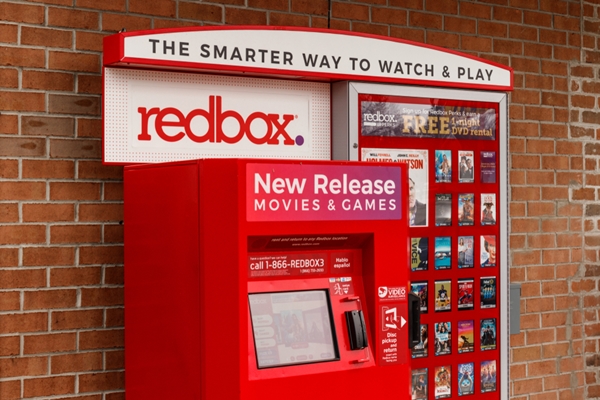
Last July, Redbox shut down after more than two decades of selling DVD rentals outside of seemingly every Walmart, CVS, and grocery store. It wasn’t a surprise — streaming services had long ago redefined home entertainment — but the announcement still signified the end of an era.
The irony is Redbox didn’t start as a DVD rental company. As the “Tik Tok Easy Shop,” its kiosks were originally designed in 2002 to sell produce and toiletries as part of a McDonald’s expansion plan. (In the early ‘00s, such kiosks were prevalent in Europe and Japan but still a novelty in the U.S.)
But McD’s wasn’t lovin’ it, and spun off the vending machines for the exploding DVD market. By 2007, Redbox was bigger than Blockbuster; a few years later, it sold its 1 billionth rental. Sales hit their zenith in 2013.
But a series of corporate takeovers — with Redbox bizarrely winding up under the Chicken Soup for the Soul portfolio — couldn’t halt the inevitable. Redbox outlasted Blockbuster, but our DVD players were all collecting dust. Maybe it should’ve stuck with produce and toiletries.
|
|
|
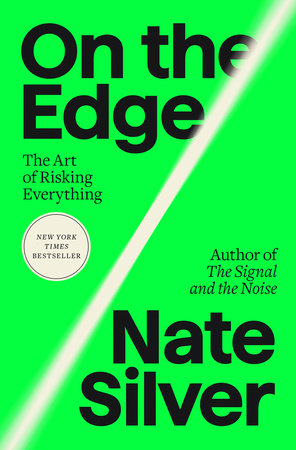
On the Edge: The Art of Risking Everything by Nate Silver
|
(Source: Penguin Random House)
|
Would you take business advice from poker players, blue-chip art collectors, and post-crash crypto diehards?
In On the Edge: The Art of Risking Everything, FiveThirtyEight founder and prolific statistician Nate Silver (himself a former professional poker player) explores communities of full-time risk-takers. Silver refers to this group as “the River,” who thrive on uncertainty, coupled with obsession over quantitative analysis and a borderline unhealthy drive.
“People in the River have increasing amounts of wealth and power in our society, and understanding their mindset — and the flaws in their thinking — is key to understanding what drives technology and the global economy today,” reads the book’s description.
On the Edge explores everything from tech investors’ guiding ethos to the operating dynamics of a Hard Rock Cafe casino. It doesn’t feel like reading a business book, yet it’s worth taking a gamble on.
|
|
|
Taco Bell Opens “Early Retirement Community” for Chalupa-Inspired Golden Years
|
|
|
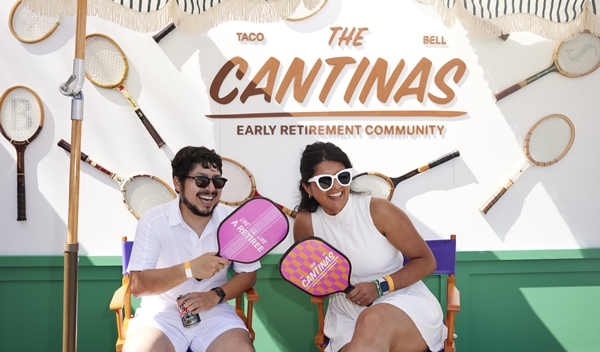
Senior communities are a $113 billion market in the U.S., so you can’t blame Taco Bell for wanting a bite of the action.
In August, the fast-food brand launched The Cantinas, which it called “a daytime oasis offering cross-generational and senior-inspired recreation” for the “old at heart” — or, in other words, an all-ages retirement community. Based on a first-come, first-served basis, Taco Bell Rewards app members could plunk down $150 per weekend (or $50 per day) of community aerobics, arts and crafts, afternoon naps, pickleball or golf in the San Diego sun, and, of course, taco dinner at 6 p.m. sharp.
(The Cantinas was only open for a single weekend, so you can’t actually retire there. Your move, Chipotle.)
|
|
|
Written by Lauren Vino, Ali Saleh, and Dan Ketchum.
|
|
|
|