For many students in Los Angeles, the January wildfires meant a temporary return to COVID-style remote learning. (And we all remember how that went.) Fortunately, there’s been a push from businesses to ensure LA students’ education doesn’t go up in smoke.
Instacart launched a $1 million-backed crowdfunding campaign to support 28 wildfire-affected LA County schools. ClassDojo raised over $60,000 to help K-12 public schools bring children back to in-person learning. And DonorsChoose is giving up to $1,000 per teacher for classroom materials.
(For students who do thrive on online learning, MasterClass teamed up with the USC Marshall School of Business to offer free memberships on entrepreneurship and other topics.)
|
|
|
Eggs: Americans are adopting their own hens
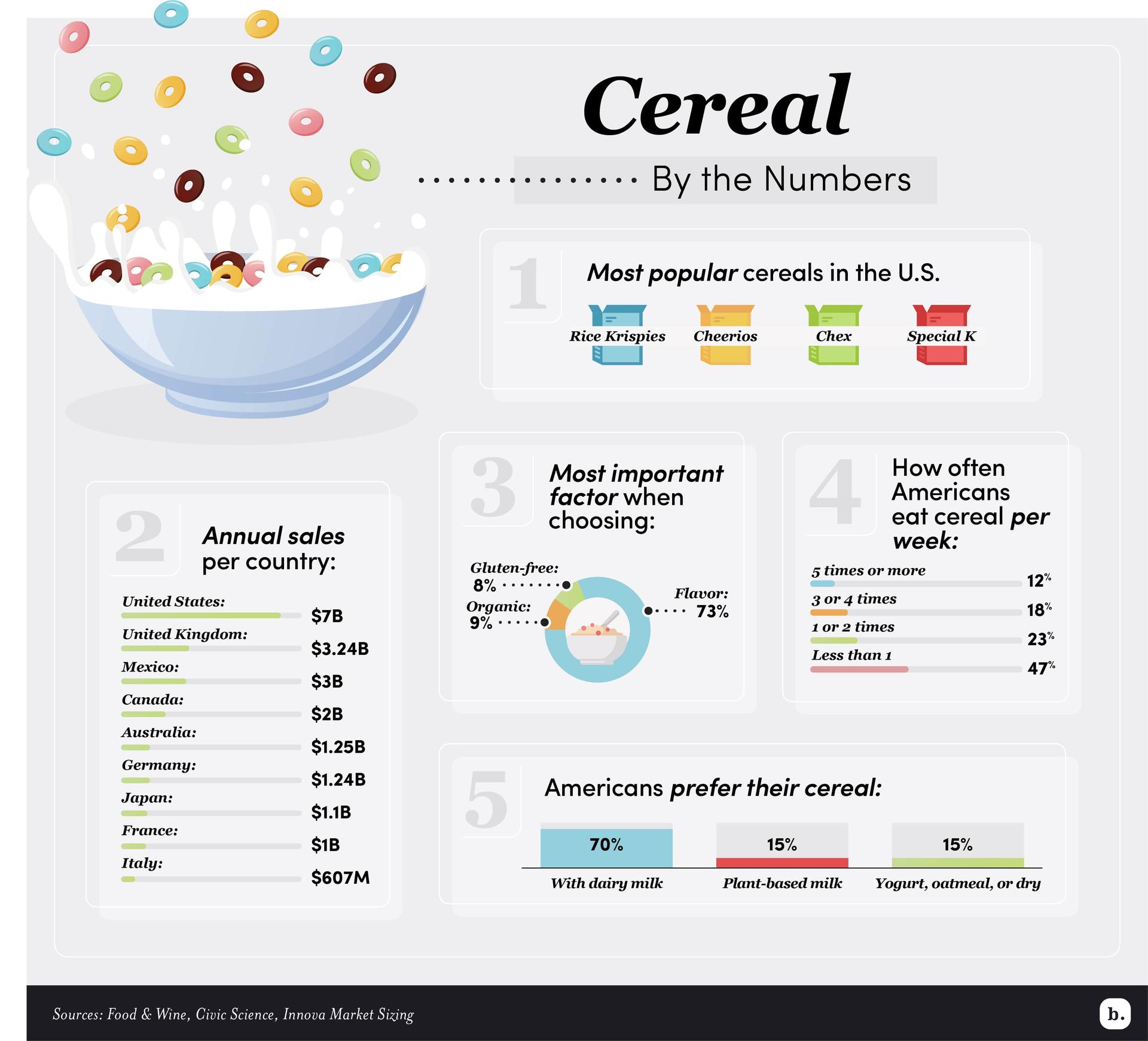
Cereal: How much we devour by the numbers
Canon: A literal case of mystery box marketing
Kodak: How it pulled off a picture-perfect pivot
|
|
|
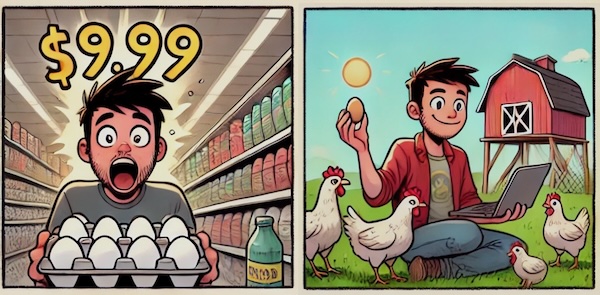
Eggflation Won’t Be Over Easy — Should You Scramble to Adopt Hens?
|
In 2020, toilet paper was as scarce as hens’ teeth. In 2025, as avian flu spreads, it’s the hens’ eggs that are scarce.
The result is egg prices have doubled. To keep omelets coming, many Americans are flocking to Tractor Supply Company and local feed stores to buy their own chicks. (Or you can lease — yes, that’s a thing — from Rent the Chicken.) Day-old birds cost about $6 to $10 each — smaller, independent farm stores are generally more expensive but offer a wider selection of breeds. These baby birds are selling out nearly as soon as they arrive.
Agriculture Secretary Brooke Rollins recently told Fox News, “People are sort of looking around and thinking, ‘Wow, maybe I could get a chicken in my backyard,’ and it’s awesome.”
Mike Conforth, vice president of the feed store Rick’s Saddle Shop, says the company has purchased 3,000 chicks in 2025 — a 25 percent increase over previous years — to meet demand. According to Conforth, customers feel backyard birds are a fresher option because “eggs in the supermarket might sit there for 45 days before being sold.” Add these extreme prices, and it’s easy to see why Americans are entering their “Farmer in the Dell” era.
Even with eggflation, however, adopting chickens can (and probably will) cost more than your grocery bill because:
- The trend has driven up chicken feed demand from major brands like Purina, Nutrena, and Manna Pro, which also sell treats and supplements to promote hen health and boost egg production.
- If you skip the chick-raising and pullet stages to buy point-of-lay hens, you can expect eggs right away — but be ready to pay a premium. They’re going for as much as $50 each at auction.
- Many municipalities charge a coop permit fee from $25 to $50.
- Wood shavings are the bedding of choice, but much of it comes from tariffed Canadian suppliers.
- DIYers can construct a small coop with scrap lumber or chicken wire for less than $150. But high-quality premade coops range between $600 and $1,500, depending on the number of birds involved.
- Chickens are vulnerable to predators such as raccoons, foxes, hawks, and loose dogs. While cats won’t usually bother grown chickens, chicks are a great snack … and then you’ll need to head back to Tractor Supply Company.
If you want a sustainable source of eggs with flavor far superior to the factory-farmed version, investing in a backyard henhouse is worth it. But with everything else factored in, believe it or not, store-bought eggs are still a deal.
|
|
|
Are eggs too rich for your blood, literally and figuratively? Good thing there’s always the cereal aisle. Grab a bowl and read up on how much we munch.
|
|
|
How Canon Took J.J. Abrams’ “Mystery Box” Strategy Literally
|
Selling the sizzle, not the steak, is a time-tested truism for marketers — but director/producer J.J. Abrams prefers to not even show the steak.
It’s called the “mystery box” strategy. Lost kept audiences engaged for years with countless unanswered questions. Cloverfield’s viral trailer only hinted at what we were seeing. Star Wars: The Force Awakens ended with a gigantic cliffhanger that left audiences desperate for the next one. This teasing can frustrate viewers, but Abrams has decades of hits for a reason.
The mystery box strategy isn’t just for Hollywood blockbusters. Last year, Canon put two new flagship cameras — the EOS R1 and EOS R5 Mark II — under an actual mystery box with little to no specifics even in their official press releases … and it worked. With more questions than answers, the online photography community’s nonstop rumor-mill speculation (including searches through Japanese patents to find any bit of info) drove months of anticipation, interest and preorders. YoY sales increased by almost 9 percent.
To consumers, the possibilities of Canon’s new cameras were more exciting than known specs from competitors like Fujifilm, Blackmagic and Sony. (And arguably unlike Lost, Canon eventually resolved its mysteries.)
|
|
|
Kodak’s Shift in Focus Was a Picture-Perfect Pivot
|
Canon isn’t the only company with a recent photo finish.
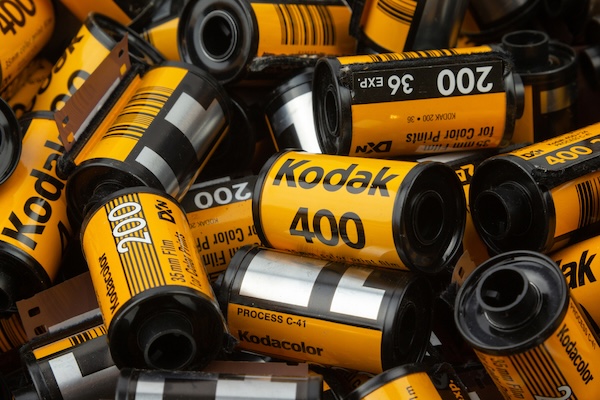
Back in 2012, Eastman Kodak — a brand name once synonymous with film — filed for bankruptcy. It had fallen victim to the digital photography revolution; its main product was obsolete for most people. Kodak focused on directing its expertise and manufacturing capabilities toward new markets like advanced materials, coatings for electronics and screens, and specialized inks.
Kodak also entered the pharmaceutical industry, producing materials for generic drug manufacturing, which — at the time — sounded as likely as KFC suddenly offering electric vehicles. But last year, Kodak’s GAAP net income was up by 800 percent; today, the company’s stock price has increased 235 percent from its all-time low.
When faced with an industry disruption that upends your entire business model, it’s possible to develop a whole new picture.
|
|
|
Written by Antonio Ferme, Jane Meggitt, Ali Saleh, and Carlos Rosario Gonzalez.
|
|
|
|