You may have thought the wedding industry would be booming. With so many couples forced to delay their nuptials during COVID, there was a huge pent-up demand when the world opened back up.
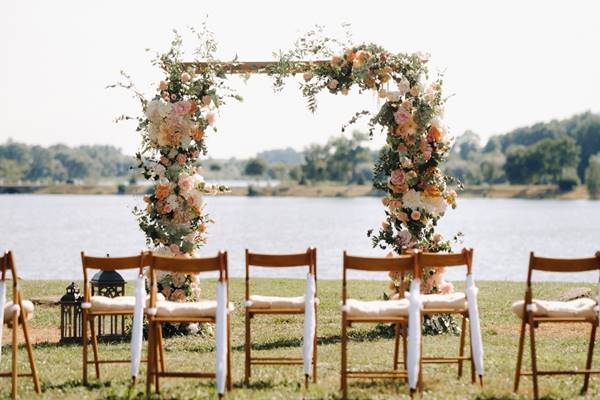
If you work in the wedding industry though, you might be getting whiplash because the industry is experiencing a seismic shift. The average wedding size in 2023 was only 115 people, a decrease from the year prior, according to The Knot. Some experts anticipate this number will decline even further as the trend of “micro” weddings (<50 guests) prevails in the coming years.
A 2022 survey even found that most engaged couples in the U.S. simply wanted to elope. The impacts of these trends are cascading through the entire wedding ecosystem: jewelers, venues, DJs, bands, florists, photographers, videographers, bakeries, caterers, wedding planners, hair stylists and makeup artists, event rentals, etc.
Best Day (N)ever
The U.S. marriage rate has declined by 60% since the 1970s and is currently at its lowest point in history. More Gen Zs are choosing to cohabitate without “making it official,” and some never met their college sweethearts because they were attending classes on Zoom.
“Everyone is feeling it in the industry right now,” said Jutah Meucci, who runs Arizona-based videography company Awesome Phoenix with her husband, Arthur. “I’ve chatted with tons of people about it. … Clients are definitely more budget-conscious this year than in previous years.”
Meucci told b. that it has added pressure to not only create more leads but nurture each lead as much as possible so that it converts into a booking.
“We are looking into ways to add more value to our clients without increasing the cost,” she said.
Micro-Weddings Are Macro-Popular
The average cost of a wedding has ballooned to roughly $33,000. As millennials (notorious for having no money) and Gen Z (the finance-savvy generation) start to reconsider the outrageous cost of getting married — along with the outrageous cost of a startup home — they are finding ways to save where they can.
This might mean reducing guest lists to close friends and family. (Multiple vendors b. spoke with all echoed the notion that even bridal parties have gotten even smaller.) It can also result in eliminated add-ons like photo booths, over-the-top floral displays, and dessert towers.
But the local businesses who provide those booths, displays, and towers now must reduce their minimums. Or, find ways to sell their products and services in another industry — without the lucrative “wedding tax” markup. No wonder they’re getting cold feet, albeit warmed by the romantic notion that big weddings will come back in style.