Between 2018 and 2021, about half of all new U.S. retail spots were dollar stores. Last year, however, Dollar Tree and Family Dollar shuttered 600 locations, with plans to close another 400 as leases end. The chain 99 Cents Only closed entirely. Dollar General’s market cap has fallen more than 50 percent below its pre-pandemic level.
With low-income customers (and everybody else) feeling the squeeze from inflation, shouldn’t budget-friendly stores be well positioned?
Part of the problem is their “dollar” branding itself. Most shifted minimum prices to $1.25; Dollar Tree’s price cap went up to $7, forcing them to compete with behemoths like Target and Walmart.
The poorest households are devoting over 70 percent of their budgets to necessities like rent and car payments, so they’ve cut discretionary spending on electronics, office supplies and home goods, according to BCG. Nearly half of those consumers are willing to go deal-hunting online.
This helps explain how online Chinese retailer Temu captured 17 percent of U.S. market share in 2024 by offering gamified shopping for direct-to-consumer discount goods. Temu regularly sits at No. 1 on Apple’s App Store — above Target, Walmart and, notably, Amazon. (China-based fashion app Shein is also garnering billions of dollars from U.S. customers.)
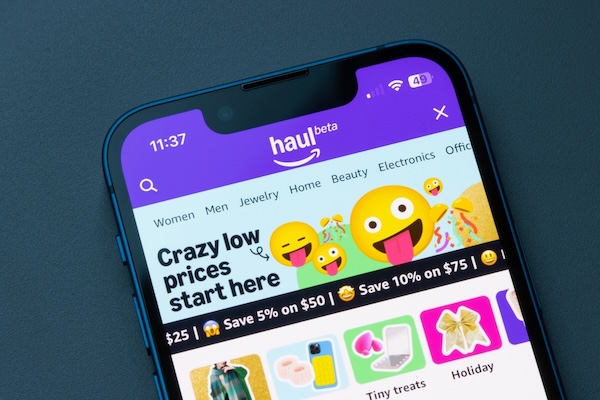
It also explains why Amazon recently launched Amazon Haul. It’s a no-subscription-required online store with straight-from-China items — despite the looming tariff threats — priced at $1-$20. Amazon’s entry into the deep-discount space, likely Jeff Bezos attempting to claw back his turf from Temu, makes one thing clear: The dollar store 2.0 is digital.