In the late 2010s, millennial drinkers switched from beer to hard seltzer as a bubbly, low-calorie, ready-to-drink (RTD) alternative. White Claw even outsold Budweiser in 2019. Countless brands jumped into the seltzer game with their own flavored and fizzy spin.
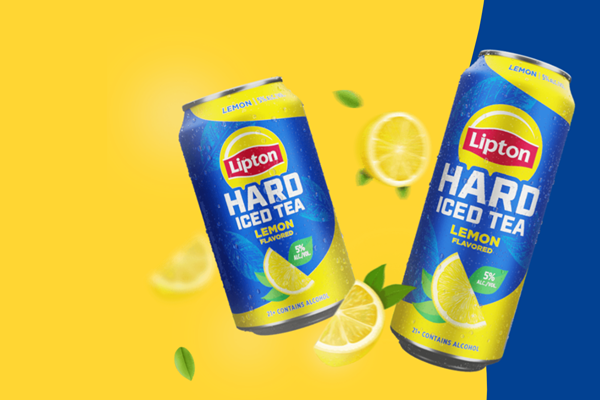
But competition has been brewing. A diverse wave of flavorful alcoholic teas recently emerged, many from established tea makers — including Lipton and Arizona — eager to dip their bags into the booze biz.
The global hard tea market size was valued at $2.81 billion last year, but is expected to reach $20.34 billion in 2032, according to Straits Research. It was previously dominated by Twisted Tea, a high-sugar and high-caloric monopoly. But look around the refrigerator aisle at your local grocery store. You’re likely to find low-calorie hard teas from Cape May, Pabst, Owl’s Brew, Loverboy, High Noon, Surfside, and Suncruiser.
The list goes on, but they all tend to have multiple flavor options — think peach, lemonade, raspberry, and classic — and boast plenty of experimentation, from green teas to botanicals.
“After years of lightly flavored hard seltzers, hard teas are seizing the moment,” says Adam Rogers, North America research director for beverage industry analytics firm IWSR. “The emphasis of the U.S. RTD market is shifting from volume to value, as consumers gravitate to more premium products with fuller flavors and higher ABVs,” though “seltzer still retains the largest share of the RTD category by volume.”
Much like the seltzer surge, hard tea makes for easy drinking at tailgates, pool hangs, and beach days, offering a sweeter rush while still meeting a lot of people’s health goals.
“Compounds like antioxidants, polyphenols, vitamins, and minerals are inherent in tea leaves,” writes Jordon Valentino, regional director at Southwest Spirits. “That gives hard teas an advantage over artificial flavors and sugars in many canned cocktails.”
With the U.S. alcohol market expected to soon bounce back from the mocktail downturn, hard tea stands to benefit, especially as more brands try new ideas, and more Americans attempt to balance alcohol consumption with their wellness endeavors. In other words, expect a lot more tea parties.