Last week Microsoft announced it would hang up the video calling app Skype. Launched in 2003, Skype was the way to do face-to-face calls throughout the aughts. However, stability issues and a cluttered interface drove users away.
When COVID-19 created a surge in demand for virtual communication in 2020, Skype had a chance to reclaim relevance, but Microsoft had pivoted to Teams. Meanwhile, Zoom’s ease of use, seamless performance, and ability to handle large meetings made it the preferred choice. What was once the category leader became an afterthought.
For those of us who remember Web 1.0, Skype will always have a place in our hearts … just not on our computers.
|
|
|
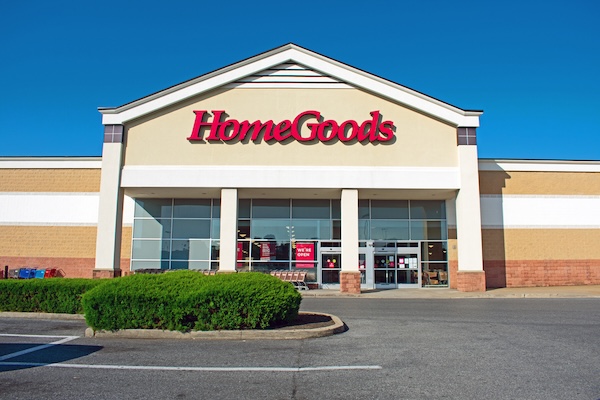
HomeGoods: Why is this chain so good?
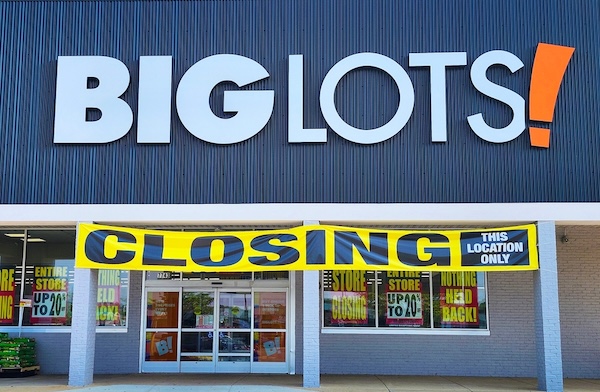
Big Lots: Leaving behind a big lot of memories
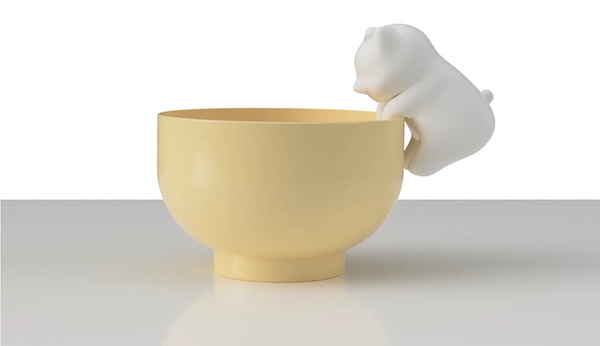
Coffee: This robot kitty purr-fectly cools your brew
|
|
|
As Other Retail Brands Struggle, What Makes HomeGoods So Good?
|
More than 7,300 U.S. stores closed last year, a 57 percent increase from 2023. And yet this brand has cleverly sidestepped the retail apocalypse: HomeGoods. The discount chain’s net sales increased by 9 percent in 2024.
HomeGoods is doing so well, its parent company TJX has plans to expand with new stores in vacant Bed, Bath & Beyond locations. So, why is HomeGoods thriving while BBB is RIP?
What makes HomeGoods unique today is that it has no e-commerce presence. While some experts speculated the retailer would fail without online sales, HomeGoods bet on the premise that a lot of people still crave the dopamine rush they get from shopping for unique items in real life.
“Our team of experts scour the globe year-round to source eclectic, high-quality home fashions from top brands, designers and artisans at everyday great values we are known for,” a HomeGoods representative told b. via email. “With brand name home finds arriving several times a week, our rapidly changing assortment creates that ‘treasure hunt’ shopping experience that our shoppers know and love.”
The hidden gems in the aisles, which vary from store to store, have inspired a new generation of social media influencers to create content. As more aspects of life become streamlined and automated by technology, the joy of discovery draws shoppers in. Even if it’s just for a really great scented candle, we still love the thrill of the hunt.
|
|
|
Big Lots Leaves a Lot of Big Memories — and a Glimmer of Hope
|
Not every brick-and-mortar chain can be HomeGoods.
Big Lots, a discount retailer known for closeout sales, filed for Chapter 11 bankruptcy late last year. Then it announced it would close all remaining 900-plus stores nationwide (down from 1,400 at its peak).
“In order to protect the value of the Big Lots estate, we have made the difficult decision to begin the GOB [going out of business] process,” Big Lots CEO Bruce Thorn said in a press release at the time.
Big Lots opened in Columbus, Ohio, in 1982, thanks to merchandiser Sol Shenk, who was known for loving a good closeout deal. Eventually, however, Big Lots itself was the closeout.
Fortunately for thousands of workers, not to mention countless La-Z-Boy recliners, Variety Wholesalers agreed to acquire up to 400 Big Lots stores in January. So, maybe the brand will live to take on HomeGoods after all.
|
|
|
Please Bring This Coffee-Cooling Kitty to America
|
(Source: Yukai Engineering)
|
Here’s one cat that won’t knock cups off the table.
Nékojita FuFu is a tiny plastic feline that hangs on the side of your coffee mug and cools it down by blowing it with a built-in fan (fufu being the Japanese onomatopoeia for blowing on food). An algorithm powers its many puffing styles, from “The Princess Elegant” mode (slow and steady) to “Sing My Praise” mode (repeated sharp blows).
It’s little touches like these that instill the gadget with an endearingly anthropomorphic appeal. Little kitty FuFu will retail in Japan for about $25, but a stateside release is still uncertain. Until then, you’ll have to use your own lungs.
Here are a few other geeky gadgets with just the right amount of strange:
- Sega released a pager, the Emojam, a tiny device that exclusively texts five other Emojams using 1,100 different emojis. Like the FuFu, it’s only available in Japan.
- A multifrequency body composition monitor from health equipment manufacturer Tanita checks your vitals as you play classic arcade game The King of Fighters ‘98. If you remember that one, you don’t need a $14,000 medical device to tell you you’re old.
- Warner Bros. is selling a $16,500 encrypted communicator from “Wayne Enterprises” that promises to keep your messages as secret as Batman’s identity. But only if you pay the $5,000 per month subscription fee. Who does this Bruce Wayne guy think he is?
|
|
|
Written by Lauren Vino and Dan Ketchum.
|
|
|
|