Written for the leaders, owners and professionals of the 11 million businesses with between $50,000 and $50 million in revenue.
|
As fans of the Marvel Cinematic Universe know by now, Robert Downey Jr. is returning to the superhero franchise — except he’ll wear a different metal suit, playing villain Doctor Doom instead of reprising his role of Iron Man. It’s rumored that Marvel will pay Downey over $80 million to come back.
That’s a shocking figure, if true, although Hugh Jackman’s return as Logan in the box-office smash Deadpool and Wolverine — which is expected to pass $1 billion in ticket sales this weekend — was a winning bet for the studio.
When your top performers leave on good terms, consider rehiring them as “boomerang employees” later. They might cost more, but the investment can have blockbuster impacts on momentum and morale. It boosts your bottom line while showing workers that your company is a worthy place to stay. Not all heroes wear capes, depending on your office dress code.
For more, read business.com’s guide to Why You Should Promote From Within Your Company.
|
Money dysmorphia: You’re doing better than you think
Let’s get real: Honesty helps with retaining talent
Dyson: How vacuum brand sucked up market share
|
|
|
Is “Money Dysmorphia” Making You Feel Worse Off Than You Really Are?
|
Comparison is ever the thief of joy. It’s no secret that social media can make us feel insecure about our bodies, but it can also make us feel insecure about our finances.
According to a new study of 1,000 U.S. adults commissioned by Intuit’s Credit Karma, nearly half of millennials and Gen Z obsess over money and feel “financially behind.” However, about 4 in 10 respondents have over $10,000 in savings; a quarter of them have more than $30,000. (According to the Federal Reserve, the average U.S. household’s net worth increased 37% from 2019 to 2022.)
While life has grown more expensive lately — even people making six figures feel stressed about their bills — experts are calling influencer-fueled anxiety “money dysmorphia.” Just as fitness bros with dubiously natural physiques might convince us that we’re out of shape (even if we’re in pretty decent shape), TikToks and Reels of destination weddings, dream homes, and luxury vehicles have the same effect.
Money dysmorphia could be a self-fulfilling prophecy, as pressure to keep up with the Joneses can lead to poor spending habits: Thirty-eight percent of Credit Karma respondents say feelings of inadequacy cause them to overspend, with 32% taking on more debt. (In fact, Americans have now spent most of their excess pandemic savings.)
Prices really are higher, but so are aspirations of designer clothes and travel by yacht. So how can we ease these anxieties to the extent they’re in our heads?
Just like your homeroom teacher always said: keep your eye on your own paper, not someone else’s. “[There’s] a really strong connection between feeling badly about your money situation and how much time you spend on social media,” Isabel Barrow of Edelman Financial Engines told CNBC.
Cutting back on your envy-scrolling could cost Elon and Zuck a few pennies, but it won’t cost you a thing.
|
|
|
Earn more bread with Toast POS
|
Restaurants have unique point-of-sale (POS) needs,from turning tables quickly to connecting front and back of house. Restaurateurs also need powerful reporting capabilities to help them manage inventory, reduce waste and analyze sales to make strategic menu changes.
Enter Toast, a powerful POS system designed specifically for restaurants, cafes, bars, food trucks, and food-service businesses of all kinds. Waitstaff can navigate Toast’s user-friendly software easily on the dining room floor, and itsstress-tested hardware can stand up to high heat and spills in a kitchen environment.
New restaurant on a budget? No problem! Toast offers a Starter Kit that includes one hardware terminal at no cost and no interest, so you can get started now and pay later. See why more than 112,000 restaurants trust Toast with everything from POS to payroll.
|
|
|
Let’s Get Real: Why Honesty Pays Off for Retaining Talent
|
Dr. Ben Baran is an associate professor at Cleveland State University and co-founder of Elevating What Works.
Many companies only tell job candidates how wonderful it is to work in the organization, never disclosing the tough parts. But when new hires find out those negative aspects of the job, they’re more likely to quit.
A realistic job preview involves telling people not only the good parts about the job or organization, but also the difficult parts. Doing so can help people feel like they’re being treated fairly — signaling that managers and the organization are honest. More so, many studies suggest that it can help to decrease turnover.
In addition, realistic job previews can help new hires gain clarity about their roles and expectations, allowing them to get up to speed quickly and reducing their stress levels.
It’s still a good idea to highlight the benefits of the job when trying to attract applicants. All of this plays into your brand as an employer; making sure that your culture is supportive, your practices are fair, and your job conditions are satisfactory comes first. (If employees consistently report negative feedback, either about specific jobs or about the organization overall, you should address those items.) Then, as you hire people, be honest about what they should expect.
Most people likely realize that almost all jobs have good and bad aspects to them anyway.
|
|
|
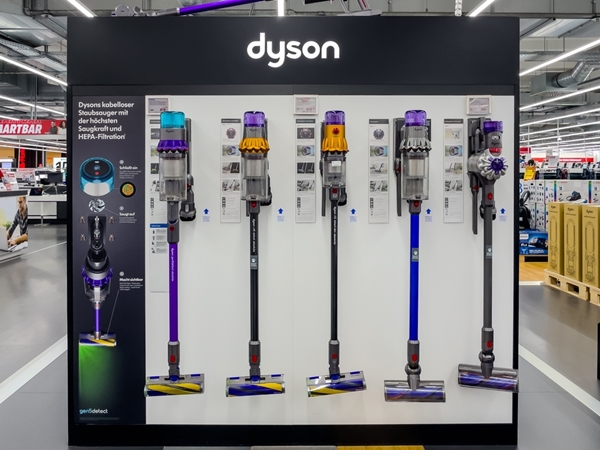
How Dyson’s Bagless Vacuums Sucked Up Market Share
|
In 1978, James Dyson had a personal problem: His Hoover Junior vacuum was losing suction power. He took the device apart and found a layer of dust inside its bag that had clogged it up.
At his company’s warehouse, Dyson happened to build an industrial cyclone tower to separate paint particles from the air. So, he applied those same principles to create a bagless vacuum cleaner. Over 5,000 prototypes and five years later, Dyson presented it to the world.
Nobody was interested. The obsession even got Dyson kicked out of the company he’d founded — but he knew he had a unique solution to a common problem. He did the work to find a licensee in Japan, where his design won at the International Design Fair and finally found an audience.
Today, Dyson’s vacuums have sucked up nearly 20% of the global category market share, making him one of the world’s 200 richest people. All because he didn’t want to buy another Hoover.
|
|
|
Written by Carlos Rosario Gonzalez, Dan Ketchum, and Ali Saleh. Comic by John McNamee.
|
|
|
|