In a publicity stunt last month, language-learning app Duolingo announced the death of its owl mascot, Duo, at the hands (wheels) of a Tesla Cybertruck. Like an owl rising from the ashes, however, two weeks later the company claimed it was an elaborate hoax and Duo survived.
If that sounds vaguely familiar, it’s because Planters used the exact same strategy. In 2020, they killed off Mr. Peanut, then brought him back with Kool-Aid Man’s magical tears during the Super Bowl. The Duolingo and Planters campaigns both succeeded at generating headlines, but is mascot-icide a wise trend to emulate?
In the 1990s, comic book publishers realized they could make millions with “The Death of Superman,” and similar arcs. But as each got reversed, readers felt misled and it crashed the entire industry. (In Duolingo and Planters’ defense, our emotional attachment to superheroes likely outweighs our attachment to anthropomorphic owls and legumes.)
|
|
|
Health food: Should restaurants change up menus for Gen Z?
Chuck E. Cheese: How the iconic rat squeaked past bankruptcy
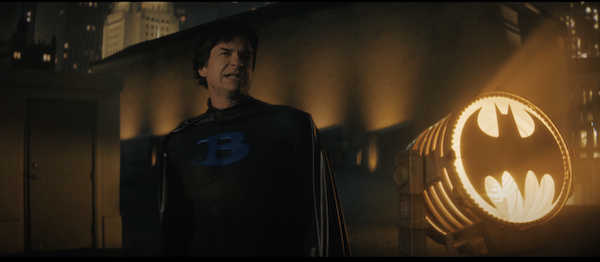
Batman: State Farm recruits the Dark Knight … and Jason Bateman
|
|
|
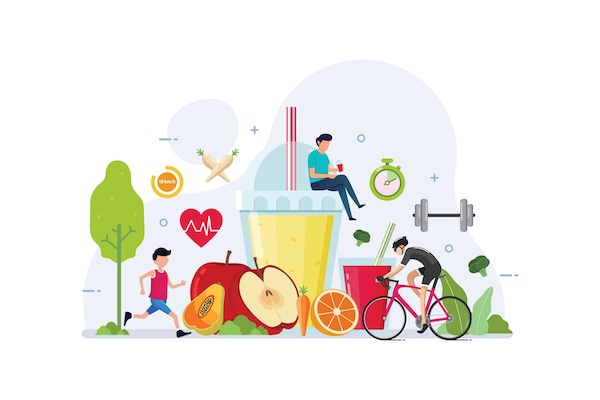
How Restaurants Can Capture Gen Z’s Health-Conscious Spending Power
|
Gen Z, the largest generation in history, is proving to be the most influential consumer group yet. They are now outspending previous generations at the same age and could wield $12 trillion by 2030, according to NielsenIQ.
While they may not be lining up to buy homes or max out their retirement accounts, Gen Z is reshaping markets in other ways, especially when it comes to food. A large majority of Gen Z consumers — 70 percent — say they’re willing to pay more for high-quality, nutritious food. Fresh, organic, and functional foods are valued at a premium to them, which restaurant owners can’t afford to ignore.
Young health-food obsessives are eager to present a curated wellness aesthetic on TikTok. Organic bone broths, spirulina smoothies, heaping scoops of golden turmeric, “Oatzempic” shakes and “sleepy girl” mocktails are all musts. The social media success of Erewhon proves that visually appealing, “status-symbol” health foods can drive brand loyalty. So, how do you change up the menu?
According to EatingWell, the top food trends for 2025 include anti-inflammatory diets, herbal teas and tropical fruits. If these seem too niche or costly, high-protein options are trendy as well. Seventy-one percent of Americans are now actively trying to consume more protein, up from 59 percent in 2022. Sometimes that trend can go too far — enter the quackery of the carnivore diet. Still, the message is clear: If you want to capture Gen Z’s attention (and their dollars), the appearance of wellness needs to be on the menu.
Consumers are also paying more attention to how their food is made, with 58 percent trying to avoid ultra-processed foods. Meanwhile, medications like Ozempic are reducing cravings for junk food, pushing manufacturers to rethink their formulas. For restaurants, this presents an opportunity to market themselves as providing more natural offerings than the grocery store’s freezer aisle.
Of course, not every item on your menu needs to be a CBD-infused green juice with brain-boosting nootropic adaptogens. Combining indulgence with better-for-you ingredients — think organic fries cooked in avocado oil or dairy-free “activated” almond milkshakes — might keep your business’s bottom line healthy, too.
|
|
|
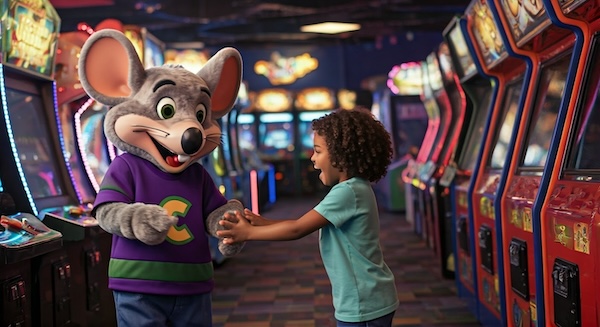
How Chuck E. Cheese Squeaked Past Bankruptcy to Get His Slice of the Pie Back
|
Gen Z might be health nuts, but the generation after them apparently loves pizza.
In 2020, the once-beloved pizza arcade Chuck E. Cheese — saddled with $705 million in debt — filed for bankruptcy. Its horrifying animatronics and sock-scented ball pits became nothing more than relics of long-gone millennial childhoods. By 2023, however, Chuck E. Cheese posted $1.2 billion in revenue. Last year, it had eight straight months of same-store sales growth.
So, how did Charles Entertainment Cheese (yes, that’s his full name) swing it? Well, every business-savvy rat knows you’ve got to spend money to make money.
Alongside a svelte new mascot makeover and its improved, made-from-scratch pizza, the company invested $350 million into a total overhaul of its facilities. Dark and cavernous interiors became bright, clean spaces that emphasize active play, including dedicated trampoline zones and character-led dance parties. A new subscription service offers unlimited visits and substantial discounts on food and games, crucial to squeezed parents seeking more value.
But the real answer for how Chuck E. Cheese reversed its fortunes? Those creaky animatronics are finally gone, making it possible to attend a classmate’s birthday party without experiencing nightmares afterward.
|
|
|
Bateman Smells: Auto Insurance Giant Knows You Can’t Trust Just Any Protector
|
In State Farm’s new viral commercial, “Batman vs. Bateman,” Gotham City desperately needs saving — and the star of Arrested Development and Teen Wolf Too simply won’t do.
The ad blends humor, celebrity cameos (SZA, Kai Cenat), and surprisingly high production values. It scored big with comic book fans, too, and cleverly communicated State Farm’s message: “Close enough” doesn’t cut it with Batman or your insurance.
State Farm has a long history of smart advertising that’s helped keep it the biggest auto insurer in the U.S. Their greatest hits range from an incredibly catchy jingle in 1971 (written by Barry Manilow) to “Jake from State Farm” in 2011 (inspired by the rise of Key & Peele-style comedy). And now, with this strategic partnership, to quote one X account, State Farm “can make better DC movies than Warner Bros.”
|
|
|
Written by Lauren Vino, Steven Blum, Antonio Ferme and Dan Ketchum.
|
|
|
|