Most employees consider themselves higher achievers than their colleagues, which is, well, not mathematically possible. But actual high performers drive up to 400 percent more productivity. This presents a challenge for managers: keeping them fired up without burning them out.
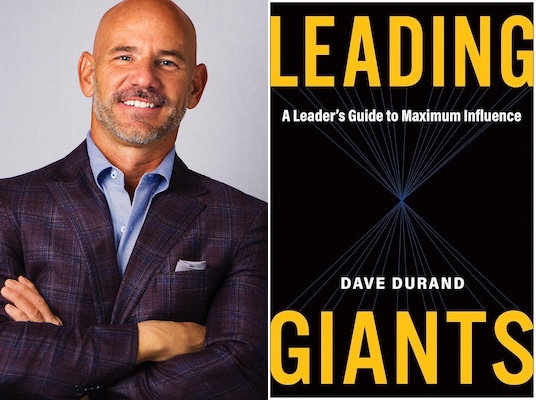
Dave Durand, Best Version Media CEO and radio host, argues in his new book, Leading Giants: A Leader’s Guide to Maximum Influence, that top talent doesn’t need any hand-holding, just room to thrive. He told b. how leaders can spark their competitive fire.
b.: How should leaders manage numerous high-performing individuals who have different needs or priorities?
Durand: First, it’s important to recognize that the attention high performers need is different from what lower performers require. Inexperienced leaders often treat everyone the same, but giants thrive on praise, not correction. They need more resources, tools, and authority than they do training. The goal is to empower them to focus on what they do best by relieving them of tasks that fall outside their area of expertise.
For example, let your sales giants stay in front of customers rather than burdening them with administrative tasks or reports. This helps them operate at their highest potential and ensures they’re focused on what drives results.
b.: How do you encourage competition while avoiding the pitfalls of clashing egos?
Durand: Fostering healthy competition is essential to pushing performance to new heights and testing the limits of what’s possible. However, competition can lead to problems if jealousy, frustration or victimhood take over those who aren’t at the top. Similarly, when pride and conceit dominate the winners, that’s equally problematic.
The solution lies in cultivating a culture of humility, which … allows individuals to recognize their strengths without boasting and their weaknesses without self-pity. It can be nurtured by celebrating successes while also supporting those who face necessary failures. A leader who values humility can create an environment where competition drives growth rather than division.
b.: What is the most underrated business skill or virtue today, and why do you think it’s overlooked?
Durand: Empathy. … In a world where people are encouraged to focus relentlessly on themselves and share their lives through social media, it’s no surprise that many struggle to consider others’ perspectives.
Unfortunately, many confuse empathy with weakness, but in reality, it’s a powerful strength. Being empathetic doesn’t mean avoiding tough decisions. In fact, empathy is often what drives leaders to make hard choices, like firing someone. It enables them to do so with dignity, considering fair severance and the emotional impact on the person.
Empathy doesn’t always change the outcome — but [it] governs how leaders handle the process with care and respect.
Leading Giants is available now.