Self-criticism is like salt: While a sprinkle is healthy and necessary, too much will raise your blood pressure and leave a bad taste in your mouth.
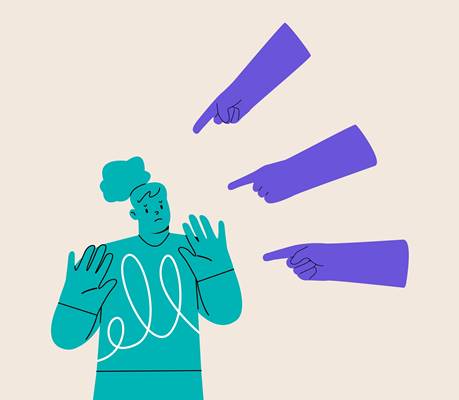
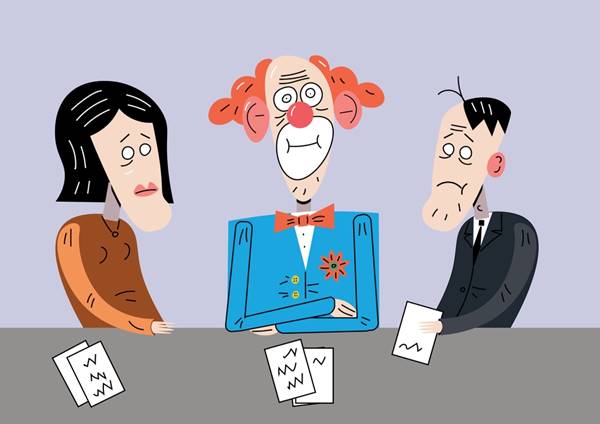
One of self-criticism’s most fertile breeding grounds is workspaces, which can come in any form: a botched deal, a missed deadline, or an embarrassing Zoom call. There’s value in admitting fault and learning from mistakes, but an overabundance of negative self-talk has a highly studied correlation with depression and anxiety and even addiction.
So, what do psychologists recommend? Beyond a trite non-answer like “the power of positive thinking,” is there an effective way to quiet harmful chronic thoughts?
Speaking with a mental health professional will provide you with the most individualized and effective advice, but research indicates that — since self-criticism is a habit — the solution could be developing a new habit of self-compassion. The concept is different than self-esteem; by cultivating an awareness of default behavior without harsh judgment, we might be able to change it.
A University of Texas study found that self-compassion cultivates a growth mindset, while a similar study from UC Berkeley found that people who complete self-compassion exercises — for example, flipping negative “what-if” narratives to positive ones like “what if they actually loved my pitch?” — are more motivated and committed to avoiding repeat mistakes.
With a little distance between you and your self-criticism, UC Berkeley psychology professor Serena Chen suggests treating your inevitable fumbles the way you would treat those of a friend: with patience, kindness, and encouragement.
“Convincing ourselves that we are better than we are leads to complacency, and thinking we’re worse than we are leads to defeatism,” Chen writes in Harvard Business Review. “When people treat themselves with compassion, they are better able to arrive at realistic self-appraisals, which is the foundation for improvement.”
Think of it this way: Self-compassion might turn self-criticism into self-improvement.