Written for the leaders, owners and professionals of the 11 million businesses with between $50,000 and $50 million in revenue.
|
Side hustles can be sweet. They can be sour. And then there’s adult lemonade stands.
Recently, the Washington Post reported on 20- and 30-somethings who’ve squeezed success out of the classic childhood business model. When life gave them lemons (student debt, layoffs, high interest rates), they actually made lemonade … with elevated ingredients such as hibiscus and lychee. Setting up shop at a food or music festival can generate sales of $1,000 to $10,000 per day.
But don’t worry — these small businesses aren’t taking away from even tinier entrepreneurs. “We’re not stomping on the kids’ lemonade stands,” a 23-year-old citrus slinger told the Post.
Got a few extra tubs of Crystal Light yourself? Read our guide on How to Run a Successful One-Person Business.
|
Authentic marketing: Un-cringe your social media
Psychological safety: It’s as real as the OSHA type
HOKA: How elite sneaker brand outran the competition
|
|
|
Un-Cringe Your Social Media Presence
|
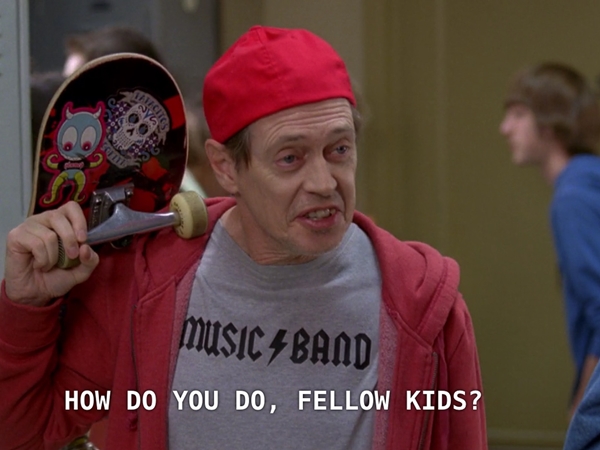
A strange thing happened in the past few years: almost every company’s official social channels — especially on X and TikTok — began sounding like chronically online teenagers. This was supposed to increase “relatability” and “authenticity.”
But did the world truly need Wendy’s cyberbullying McDonald’s? Why does McDonald’s own bio (in all lowercase) simply read “grimace is a close personal friend of mine”? How does snark sell hamburgers, anyway?
Welcome to the era of “corporate cringe.” Instead of hiring Gen Z influencers, marketing departments tried to become Gen Z influencers. Some hallmarks include overfamiliarity, forced quirkiness, and wedging adspeak into trending memes. The irony is many young internet users resent such pandering, hence the ever-popular “silence, brand” reply.
Last year, a Digiday panel of 10 advertising executives came to the same conclusion: Most brands have lost their individual voices. And isn’t differentiation the whole point of marketing?
“Brands trying to be funny here and failing isn’t the problem,” explains marketing firm R/GA by tweet. “It’s that there is one universal, legal dept- approved, sanded-down style of humor that so many brands have latched on to. One voice applied to the same memes, using the same vocabulary. The Funny Brand Voice.”
So, how can you resist this trend while still appealing to consumers?
By being authentic instead of trying to sound authentic. Stay true to your brand identity rather than chasing trends. Share real stories of customers you’ve helped. Provide content of value. Earn your engagement by having conversations that build community.
Nearly 8 in 10 consumers “want brands to bring them together,” according to Sprout Social. Person-to-person communication is a legit value-add, unlike dunking on corporate rivals as if you’re all characters in Mean Girls
|
|
|
Clover is the lucky charm your business has waited for
|
Accepting payments is beyond important, but many first-time business owners are surprised that it’s beyond complicated. Now, though, there’s a unified point-of-sale (POS) system and credit card processor that makes the entire experience a breath of fresh air.
Clover is an all-in-one POS system that provides your business with software, hardware, and processing support all in one place. Get started processing debit and credit card transactions right away, including tap and NFC payments. The built-in software allows you to track sales data and manage inventory with ease, helping you adapt in real-time to customer demand.
From the point-of-sale to the back office, Clover is your lucky charm.
|
|
|
How to Foster Psychological Safety in Teams
|
Dr. Steven Rogelberg is a chancellor’s professor at UNC Charlotte, former president of the Society for Industrial and Organizational Psychology, and author of Glad We Met: The Art and Science of 1:1 Meetings.
Safety in the workplace isn’t limited to complying with OSHA regulations.
Team psychological safety entails a collective belief that it’s permissible to voice ideas or concerns, pose questions, and acknowledge mistakes, all without fear of repercussions. This boosts engagement among team members, who feel empowered to express themselves, and improves decision-making through diverse viewpoints.
Amy Edmonson, a professor at Harvard Business School, has created an assessment to gauge team psychological safety. Here are examples that she uses to illustrate what safety looks and feels like:
- “If you make a mistake on this team, it is not held against you.”
- “Members of this team are able to bring up problems and tough issues.”
- “It is safe to take a risk on this team.”
- “Working with members of this team, my unique skills and talents are valued and utilized.”
To promote a norm and expectation of psychological safety, you can follow a host of practices.
Encourage and invite candid communication, stressing the desire for divergent opinions, even if they challenge your own views. Welcome conflict that is problem- or task-based, and not personal in nature.
Support your team members, be respectful, and show appreciation. Seek to be fair and transparent in your decisions and processes.
Admit mistakes and how you will grow from them. Encourage appropriate risk-taking; when problems or errors happen, learn together as a team. This nurtures a culture of continuous progress, with team members comfortable using trials and errors as stepping stones for development.
|
|
|
How Hoka Outran the Elite Sneaker Competition
|
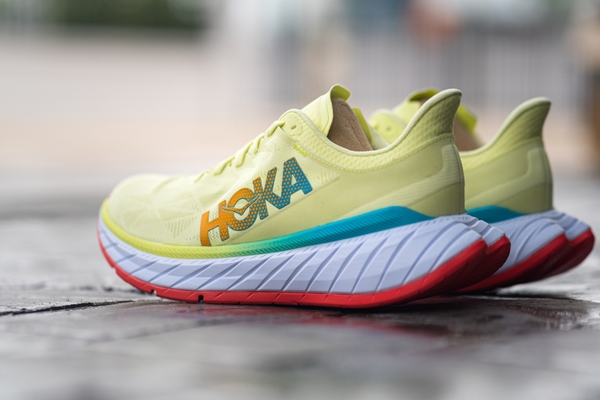
With their flashy neon colors, chunky soles, and huge lettering, Hokas are hard to miss. Plus, they’re everywhere, with sales of $1.8 billion last year.
Even though Hoka (a Maori saying for “time to fly”) might seem like an overnight success at your gym, it’s been around since 2009. It traces back to the French Alps and was actually designed for running down mountains. Co-founder Jean-Luc Diard, an R&D wiz with 35 patents to his name, previously spent a decade and a half at sporting brand Salomon in France, moving up from intern to CEO before launching his own company.
Deckers Brands bought Hoka in 2012 and Diard became global vice president of innovation. The shoes might be loud and seemingly oversized, but runners and fashionistas alike have decided they work.
|
|
|
Written by Dan Ketchum and Elizabeth Barton.
|
|
|
|