Written for the leaders, owners and professionals of the 11 million businesses with between $50,000 and $50 million in revenue.
|
For small business owners, AI is like having your own personal Don Draper to brainstorm catchy slogans and compelling ad copy. The trick is knowing how to write the prompt.
We challenged ChatGPT and Gemini to help us with several marketing tasks: writing ad copy for a hair salon, product descriptions for protein powder, social media posts for a coffee shop, and a blog for a car mechanic. The conclusion? Providing the right command isn’t a one-and-done task — like a client providing feedback, you have to “talk” with the chatbots beyond initial one-sentence prompts.
Check out our full walk-through at business.com to learn how you can use AI to generate engaging marketing content.
|
|
|
Ad-free social media: Would you pay a premium?
“WcDonald’s”: Anime fast food chain comes to life
Spotify: Your next tattoo can play your favorite song
|
|
|
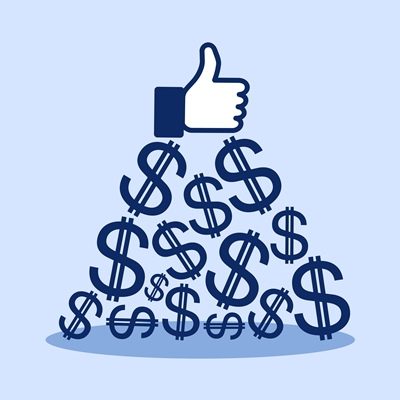
Everybody Wants Ad-Free Social Media — What About Advertisers?
|
It was a long time coming, but late last year Meta announced an ad-free subscription — also known as “SNA,” meaning “subscription no-ads” — to Facebook and Instagram users.
The only catch? It’s in Europe only, and EU regulators have requested more information about the plan.
Still, for 10 to 13 euros per month (about $11 to $14 as of print time), it might finally be possible for somebody, somewhere, to block ads from appearing between every few posts. Meanwhile, TikTok confirmed it was testing an SNA for $4.99 per month — again, outside the U.S.
This raised a couple questions: How many people will pay $165 per year for ad-free Facebook? And what would this mean for advertisers? Targeted advertising has been an enormous boon to direct-to-consumer small businesses. (According to Digiday, 93% of agency professionals say their clients spend money on Instagram.)
Social media giants appear to be making a strategic pivot, emphasizing the monetization of quality content for a niche audience of dedicated followers. TikTok’s “Series” feature allows influencers to charge users for long-form video series, while Insta’s paywall model rewards subscribers with special content and perks.
Every organic digital interaction holds potential business value. And moving forward, the platforms aren’t leaving any money on the table.
|
|
|
Clover is the lucky charm your business has waited for
|
Accepting payments is beyond important, but many first-time business owners are surprised that it’s beyond complicated. Now, though, there’s a unified point-of-sale (POS) system and credit card processor that makes the entire experience a breath of fresh air.
Clover is an all-in-one POS system that provides your business with software, hardware, and processing support all in one place. Get started processing debit and credit card transactions right away, including tap and NFC payments. The built-in software allows you to track sales data and manage inventory with ease, helping you adapt in real-time to customer demand.
From the point-of-sale to the back office, Clover is your lucky charm.
|
|
|
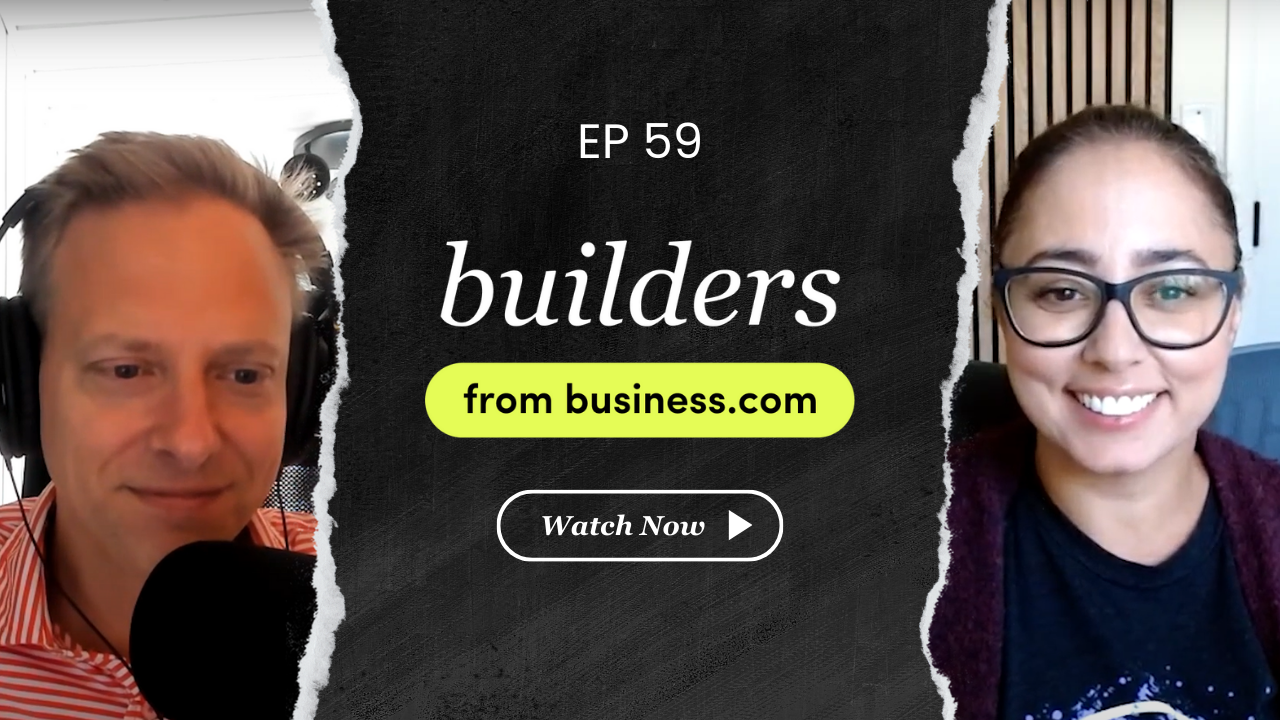
Today’s podcast conversation is with Centerfield’s VP of SEO Jaimie Clark to discuss Google’s organic listings, algorithm updates, and advice for publishers on how to improve their rankings and adapt to the changing landscape of AI and consumer behavior. Watch the episode on YouTube or listen on your favorite audio app.
|
|
|
McDonald’s Goes Full Anime By Embracing “WcDonald’s”
|
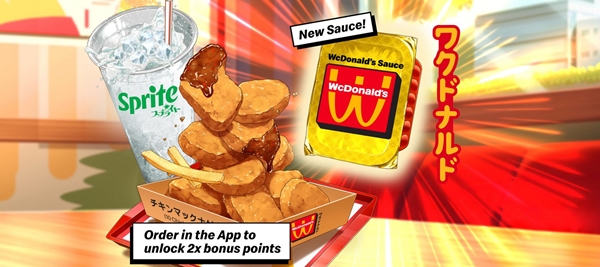
Ever since a 1983 episode of the Japanese-animated series Cat’s Eye featured a fast-food parody called “WcDonald’s” (complete with an upside-down “W” version of the golden arches), the fake chain has been an anime in-joke. It has racked up over 120 appearances in cartoons and comics.
And in 2024, McDonald’s made it real. Throughout March, McDonald’s offered anime-inspired packaging with WcDonald’s branded, limited-edition Savory Chili WcDonald’s sauce, a virtual WcDonald’s space in Fortnite, and even an all-original weekly anime and manga series of its own.
It’s an example of life imitating art … and an example of the blue ocean strategy, with McDonald’s promoting itself in a way that no other company ever could (without getting sued into oblivion, anyway) to a $26 billion market of anime fans. The stunt might’ve gone over a whole lot of heads, but those in the know embraced it with a passion — and social media fervor — that only enthusiasts can muster.
|
|
|
Getting A Spotify Tattoo Won’t Bring Music to Your Ears
|
People’s tattoos often have a personal meaning to them. So do their favorite songs. Why not combine the two?
A new TikTok trend has music fans turning Spotify Codes (the audio equivalent of QR codes that enable users to play specific songs or playlists when scanned) into permanent body art. The ink actually looks pretty cool.
Unfortunately, there’s a catch: The level of precision needed to replicate a specific code on the skin is astronomically high. One slight deviation can render it completely useless. Plus, long-term factors like fading ink and skin changes will probably affect a tattoo’s scannability. (Will Spotify Codes even still exist in a few years? A few decades?)
Nevertheless, Spotify openly relishes the free advertising. A spokesperson recently told The Wall Street Journal, “We love seeing listeners wear the audio they love on their sleeves.”
|
|
|
Written by Elizabeth Barton, Antonio Ferme, and Dan Ketchum.
|
|
|
|