Written for the leaders, owners and professionals of the 11 million businesses with between $50,000 and $50 million in revenue.
|
After a sleepless night, the prospect of a nap under your desk, George Costanza-style, is tempting. Perhaps too tempting, because a new study found that a third of American workers fall asleep while on the clock each week. (Almost half admit to a daytime snooze at least once a year.)
Don’t blame the comfy breakroom couch; nearly 8 in 10 of those catching a few z’s are hybrid or remote workers. Of those who sleep in the office, however, 20% are lucky enough to enjoy “a company-designated napping place” while 9% are unlucky enough to pass out in the restroom.
An overwhelming majority of workers, including executives, regularly lose sleep in the evening due to work stress. A full night’s sleep — not in the restroom — is good for your lifespan and it’s good for your business. So enjoy our special sleep-focused issue, even though we hope it’s exciting enough to keep you awake.
|
Sleep: The bedtime routines of world-famous CEOs
Sleeeeeep: Bringing Out the Dead is still relevant
Sleeeeeeeeeeep: Don’t brag about your stress levels
|
|
|
Z-Suite: How to Sleep Like a CEO
|
(Source: Midjourney/business.com)
|
While entrepreneurs might need to burn the midnight oil for an occasional product launch or promotional event, regularly going without enough rest will result in costly mistakes and lost productivity. So the key to strong leadership may be having a good pillow and a firm (but not too firm) mattress.
Just as we study the work strategies of top CEOs, perhaps we should study their bedtime routines as well. Here’s how some of the most successful business and thought leaders approach their nightly shut-eye:
- Oprah writes in her gratitude journal every night, then goes to bed at 10 p.m. and wakes up without an alarm at 6 a.m. (“I have never set an alarm; I don’t believe in them,” she revealed in 2017. “They are … alarming!”)
- Jeff Bezos sleeps eight hours, wakes up early, and budgets time for coffee with his loved ones. “So let’s go crazy and say I slept four hours a day; I’d get four so-called productive hours back,” he once said during an on-stage appearance. “But is that really worth it if the quality of those decisions might be lower because you’re tired or grouchy or any number of things? Probably not.”
- Arianna Huffington (who wrote an entire book on getting better sleep) removes electronics from her room, takes a bath, sets the thermostat “between 60 and 67 degrees,” and reads a paperback or hardcover before getting her eight hours.
- Shopify CEO Tobias Lutke is home from work every day by 5:30 p.m. “I need 8ish hours of sleep a night,” he tweeted a few years ago. “Same with everybody else, whether we admit it or not.”
- Starbucks CEO Laxman Narasimhan meditates for 10 minutes before bed. (If we had an endless supply of Frappuccinos, we would need a lot more than 10 minutes to wind down.)
- Mark Cuban aims for seven hours on weeknights, plus “Dad naps on weekends when I can.” Maybe it’s no coincidence that he’s an investor in Hug Sleep swaddles for adults?
- On the other side of the sleep spectrum, Martha Stewart is an admitted insomniac who keeps “two iPads next to my bed, fully charged, just in case,” to play games and read the news all night. Speaking of iPads and very little sleep …
- Tim Cook wakes up at 3:45 a.m. and immediately starts reading Apple user comments. (With all due respect for his incredible run, maybe this bad habit is why Apple’s $10 billion EV went nowhere?)
|
|
|
Take care of business any time, any place with Zoom
|
Today’s workplace is anywhere and everywhere, but your team still needs to collaborate and provide your customers with exceptional service. Zoom connects your business to employees and customers here, there, and everywhere.
More than just a video conference platform, Zoom offers complete business communications systems with top notch features like voice over internet protocol (VoIP), contact center support, and virtual customer service agents. Zoom doesn’t just support your business’s communications, it helps bring them to the next level.
Ready to upgrade how you stay in touch with employees, customers, and partners?
|
|
|
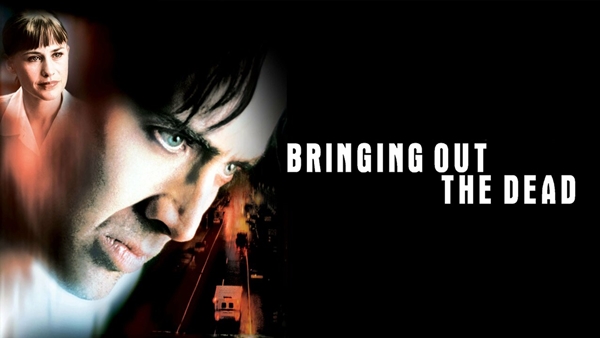
Scorsese’s Bringing Out the Dead Is Still a Relevant Portrayal of Burnout
|
When Martin Scorsese’s Bringing Out the Dead flopped upon release in 1999 — only grossing half of its $32 million budget — the word “burnout” hadn’t yet entered the mainstream workplace lexicon. Before smartphones (or even high-speed home internet), most jobs ended at 5 p.m.
But in a dreadfully burnout-filled (and delightfully Nic Cage-filled) world, Bringing Out the Dead deserves a reassessment.
Graveyard-shift paramedic Frank Pierce (Cage) careens through a surrealistic, feverish nightmare vision of New York City over a three-night bender, throwing himself into pits of adrenaline and despair to help those most in need. None of Frank’s fellow EMTs recognize his level of exhaustion, even though he increasingly looks like a dead man walking.
Frank is driven by guilt; if he didn’t work so hard, he couldn’t save as many lives. Most of us don’t have such (literal) life-or-death responsibilities, but we — like Frank — can keep in mind Illich’s Law of Diminishing Returns: “Beyond a certain threshold, human efficiency decreases, even becoming negative.”
Taking regular breaks is probably healthier than Frank’s diet of coffee and cigarettes.
|
|
|
Bragging About Your Stress Levels Is Not a Good Idea
|
Dr. Steven Rogelberg is a chancellor’s professor at UNC Charlotte, former president of the Society for Industrial and Organizational Psychology, and author of Glad We Met: The Art and Science of 1:1 Meetings.
Employees and employers alike are worried about the negative impact of workplace stress. This has fueled efforts in recent years to discover strategies for managing stress levels.
However, a somewhat unexpected phenomenon has surfaced: employees increasingly engaging in something called “stress bragging,” whether it’s gloating about endured stress or proudly proclaiming its extent.
Unfortunately, stress bragging has significant negative effects:
- Coworkers might interpret this as a sign of the employee’s inability to manage their workload effectively. (Seeking support outside of work — instead of confiding in colleagues — can help maintain perceptions of competence.)
- It tends to erode perceptions of likability and warmth. As a result, employees who stress brag are less likely to receive extra help, consideration, and advocacy from their coworkers. (Simply discussing stress levels — without bragging — has no such effect.)
- Moreover, a ripple effect occurs: coworkers exposed to individuals who boast about their stress levels often report higher levels of stress themselves. This indicates that stress bragging can contribute to the creation of a toxic workplace environment.
To counteract the adverse effects of stress bragging, managers should look to create programs, policies, and resources aimed at reducing stress in the team.
Secondly, managers should actively discourage stress bragging among employees. This entails leading by example and refraining from participating in stress bragging themselves. Initiate discussions in team meetings that emphasize the importance of avoiding such behavior.
|
|
|
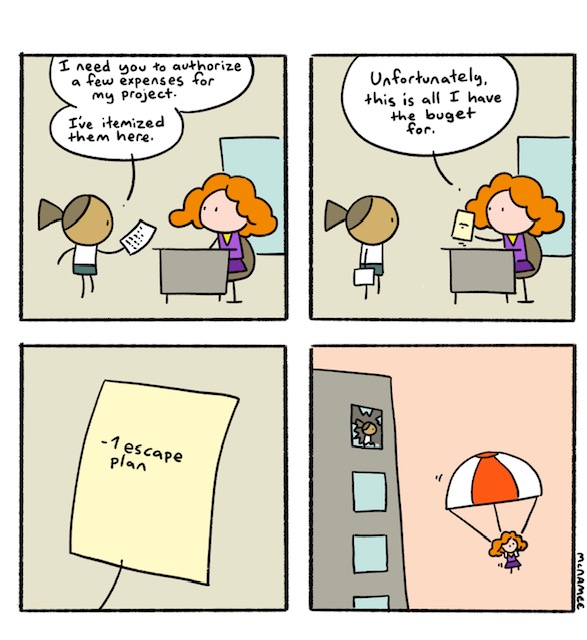
Written by Tess Barker and Dan Ketchum. Comic by John McNamee.
|
|
|
|