Written for the leaders, owners and professionals of the 11 million businesses with between $50,000 and $50 million in revenue.
|
New York City is famous for a lot of things — Central Park, the Statue of Liberty, pizza, and Pizza Rat — but its reputation as the nation’s work capital is undeserved, according to a new WalletHub study of “America’s Hardest-Working Cities.” Our actual capital, Washington, D.C., took the No. 1 spot.
Rounding out the top five are Irving, Texas; Cheyenne, Wyoming; Virginia Beach, Virginia; and Anchorage, Alaska. (Shockingly, New York came in 99th place.) If your city made the list, congrats on killin’ it … maybe take off early today?
|
|
|
Comeback: How Banana Republic and J. Crew refound their cool
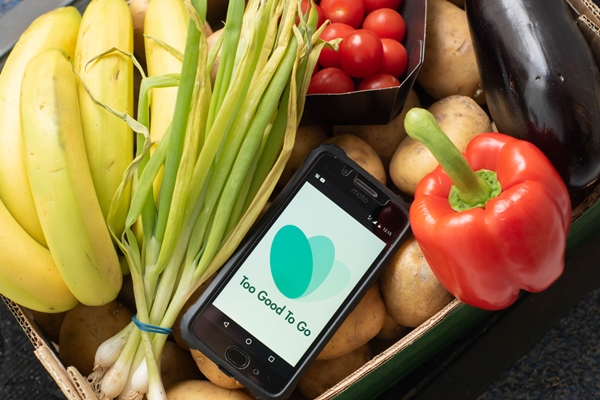
Too Good to Go: App saves restaurant food from the trash
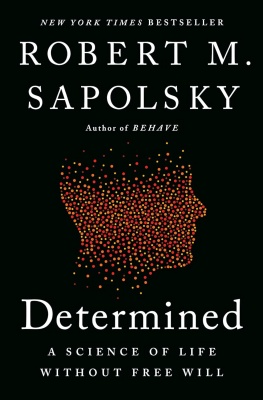
Determined: The free market might exist, but does free will?
|
|
|
How Banana Republic and J. Crew Came Back Into Fashion
|
Few retail clothing brands have seen 2020s revitalizations quite like Banana Republic and J.Crew. Perhaps it’s no coincidence they had similar comeback strategies: a return to their respective roots.
Banana Republic launched in 1978 as a travel- and safari-inspired company. After its 1983 acquisition by The Gap, Banana Republic became a go-to for understated workwear and casual basics, typically in an array of neutral colors. By the turn of the century, BR was a prime destination for chic business-casual looks — who among us didn’t buy a Banana blazer or kitten heel?
But the COVID pandemic hit Banana Republic’s interests hard, accelerating the rise of “zombie malls” due to online shopping. (Also, our pajamas and sweats became our workwear.) In Q4 of 2020, Gap Inc. reported a $16 million net loss, with BR’s same-store sales dropping 2% from 2019.
Enter Ana Andjelic, BR’s chief brand officer, who came on board in 2021. She immediately got to work overhauling its positioning, with a new emphasis on nostalgia-meets-modern casualwear and “quiet luxury.” This upscale aesthetic popularized on TikTok focuses on investing in utilitarian, classic, high-quality clothing items rather than trends and fast fashion.
Buzzy designer Peter Do signed on for a much-publicized collaboration, and BR introduced new takes on many vintage safari-inspired pieces from its vault.
The strategy worked: At the end of 2022, BR’s Q2 sales grew by 9% year over year to $539 million, with comparable sales up 8%. In October 2023, W Magazine proclaimed, “Welcome to the Bananaissance.”
Banana Republic isn’t the only mall retail brand to come roaring back in the 2020s.
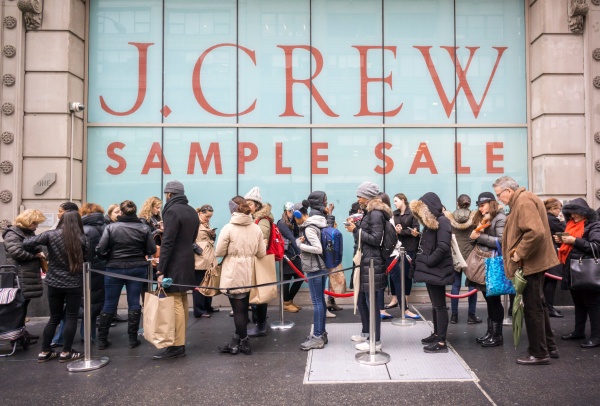
Preppy staple J.Crew filed for bankruptcy in 2020 with COVID shutdowns likewise posing an existential threat. The brand had already lost its creative direction and financial discipline, amassing over $1.5 billion in debt and closing half of its nearly 300 stores.
But the bankruptcy also gave J.Crew Group (which includes J.Crew, Crewcuts, Madewell, and J.Crew Factory) time to reassess and recruit, naming Libby Wadle as chief executive. They refreshed their offerings with modern lines and cuts — replacing aughts-style skinny fits with a looser and boxier 20s look, which just so happened to recall the simplicity of its original 1980s aesthetic. The brand also leaned harder into social media.
Post-pandemic, J. Crew’s revenue is up 30%. It’s held numerous splashy events for its 40th anniversary and is opening a brand-new women’s boutique in New York’s SoHo neighborhood. As The New York Times wrote in 2023, “J. Crew matured into what it started out pretending to be: an American brand with real history. Er, heritage.”
The 2020s resurgence of Banana Republic and J.Crew proves that even if classics do go out of style, they can eventually come back in.
|
|
|
Manage your team and pay your employees with Gusto
|
When it comes to taking care of your employees, you should be doing it with gusto.
And thanks to Gusto’s HR software, you can! It centralizes helpful features, allowing you to manage your payroll and administer employee benefits in one place, as well as track professional development progress and extend your employees the growth opportunities they want. Look to the future, too, with hiring and onboarding tools that make it easy to select the right candidate and grow your team with purpose.
See the difference that a comprehensive HR management software can make in your business, when you sign up for Gusto today.
|
|
|
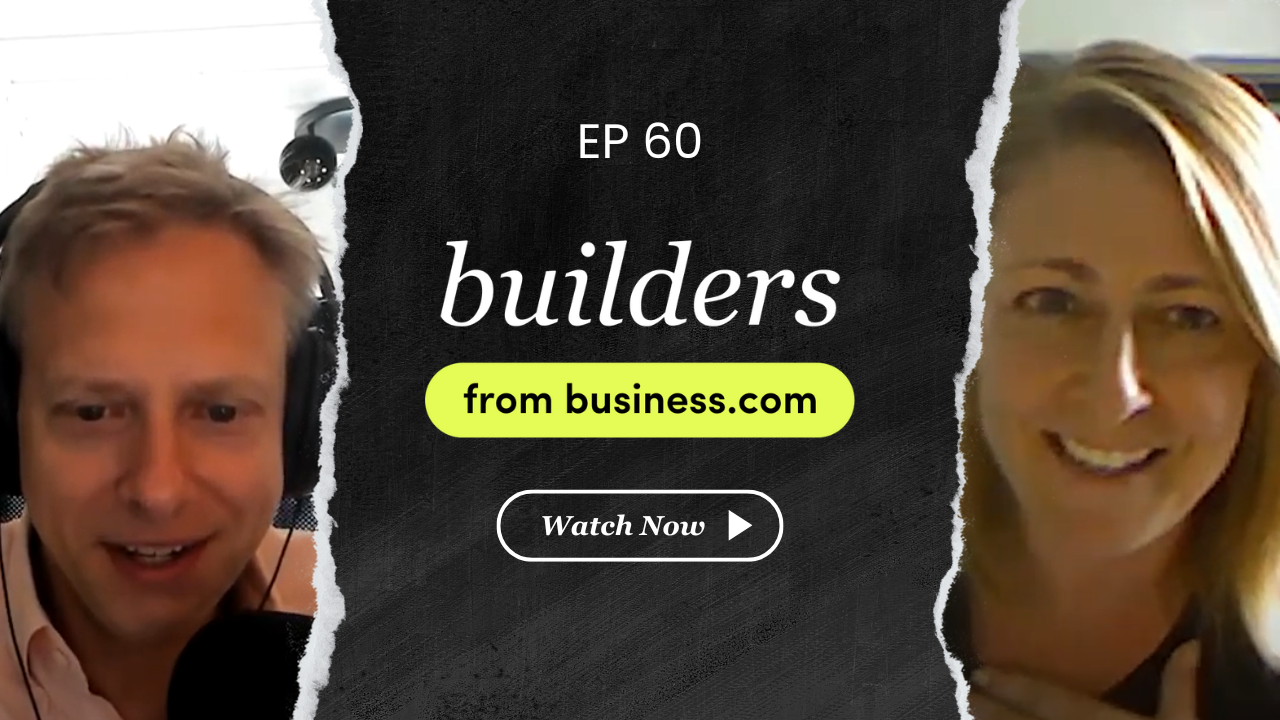
Today’s podcast conversation is Luanne Marek, SVP of Media Buying at Centerfield, on the importance of paid Google advertising, the role of AI in campaign creation and optimization, the impact of privacy changes on Google Ads strategies, and the emergence of Google’s new search generative experience.
Watch the episode on YouTube or listen on your favorite audio app.
|
|
|
Too Good To Go Saves Extra Restaurant Food From the Trash
|
Each day restaurants and cafes throw away tons of perfectly good, still-fresh food. Sure, dine-in customers don’t want reheated leftovers, but it’s a total waste. The U.S. Department of Agriculture estimates that we collectively trash 30% to 40% of our domestic food supply.
That’s where Too Good To Go steps in. The app, which has over 7 million users, partners with 12,000 local businesses to arrange “surprise bags” of surplus food for a drastically reduced price. Starting at $4, you can buy an entire sack of excess sandwiches, pizza, bagels, pastries, and side dishes from spots nearby (you select how far you’re willing to drive).
Too Good To Go lets businesses reduce their food waste and earn back money on stock that would have simply been tossed. (It’s free to sign up; the app takes a small fee and commission from each Surprise Bag sold.) You know what they say: waste not, want not.
|
|
|
Determined: The Free Market Might Exist, But Does Free Will?
|
If your employees feel like they don’t have any control at work, they’re correct … but neither do you, according to Stanford neuroendocrinologist Robert Sapolsky, author of Determined: A Science of Life Without Free Will.
Sapolsky makes an eerily compelling case that human agency is a cognitive illusion, and we’re all just products of our genetics and environments in childhood and beyond. This debate isn’t new (as anyone who’s taken a college philosophy course knows), but Determined offers some insights for your managerial style:
- Stop overthinking. Neurons in our brains activate to make a decision a second or so before we perceive that we’ve made it, according to a study that Sapolsky cites. Agonizing over the layout of a pitch deck seems unnecessary if creativity is an automatic process.
- Maintain a workplace pleasing to the senses. Sapolsky breaks down the ways in which stimuli influence our beliefs. For example, people are more likely to express disdain toward others after being exposed to a foul scent. So, regularly empty the office trash cans.
- Focus on behaviors, not traits: This one will be controversial, but Sapolsky argues that the attributes we traditionally value in the workplace — like grit and focus — are as random as blue eyes or brown hair. He recommends dishing out praise or criticism to encourage or discourage certain behaviors, but never because someone “deserves” it for any inherent, natural talent or flaw.
The irony of implementing these ideas? Whether you do so (or not) has perhaps already been determined.
|
|
|
Written by Rachel Brodsky and Tess Barker.
|
|
|
|