Until recently, job applicants could only guess how much compensation to request. Salary ranges were rarely public info, and (once hired) discussing your own income at the office carried a harsh stigma.
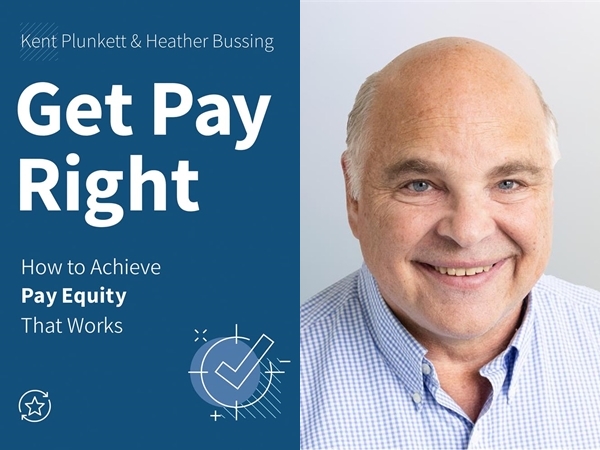
However, with pay transparency laws in many states and young people’s greater willingness to reveal their salaries, it’s a different ballgame now. For legal and moral reasons, many business leaders are thinking about how to address pay gaps. So, where to begin? Salary.com CEO Kent Plunkett breaks it down into three parts:
Perform an internal salary audit
You want to make sure the people in similar roles, with similar experience or education levels, are earning similar pay. Otherwise, it could look like discrimination. “The goal of pay equity is not necessarily to cap the pay of people who earn a lot of money — it’s about making sure that others aren’t discriminated against,” Plunkett tells b.
If you “find a red flag” without an “explainable difference,” Plunkett emphasized that “pay can only go up,” not down, to make it even.
Fresh talent vs. longtime employees
Discrimination isn’t the only reason behind a pay gap. It can also be due to salary demands for new hires outpacing raises for older hires.
“The current biggest challenge that organizations face is something called salary compression,” Plunkett says. “When you’re competing for talent in the outside market, there’s a recruiting number, which is what your competitors are hiring people at. [That] doesn’t always match up with how people who already work in the organization … earn.”
You need to stay externally competitive, but it could spark resentment if workers who’ve stuck with you start to feel underpaid.
“Your employees are forming their opinion as to how fairly you pay based on the opportunities out there with competitors,” Plunkett says.
Keep communication transparent
Nobody is recommending that you post all your employees’ salaries on the lunchroom door, but keep things on the level with them individually.
“Transparent communication doesn’t mean you get to see what everyone else in your company earns,” Plunkett says. “It means your company agrees to be transparent with you about how and why you’re paid as you’re paid,” Plunkett says.
If you can define and address these three pillars within your organization, “You’ve nailed 75% of the problem.”
Read our full Q&A with Kent Plunkett at business.com