Business.com aims to help business owners make informed decisions to support and grow their companies. We research and recommend products and services suitable for various business types, investing thousands of hours each year in this process.
As a business, we need to generate revenue to sustain our content. We have financial relationships with some companies we cover, earning commissions when readers purchase from our partners or share information about their needs. These relationships do not dictate our advice and recommendations. Our editorial team independently evaluates and recommends products and services based on their research and expertise. Learn more about our process and partners here.
20 Books That Will Make You Smarter
If you want to be more intelligent and thoughtful in both business and life, these insightful books are for you.
Business.com earns commissions from some listed providers. Editorial Guidelines.
Table of Contents
Who doesn’t want to be smarter? The good news is it’s as easy as reading a book or two. Research continues to demonstrate that reading improves cognitive function, delaying age-related decline and strengthening brain connectivity. So, if you want to strengthen your brain to prepare it for success in business and leadership, pick up some of these insightful reads and crack those books.
Tip
Do you want to share your own knowledge with readers? Learn how to write an e-book for your business.
Books that make you smarter
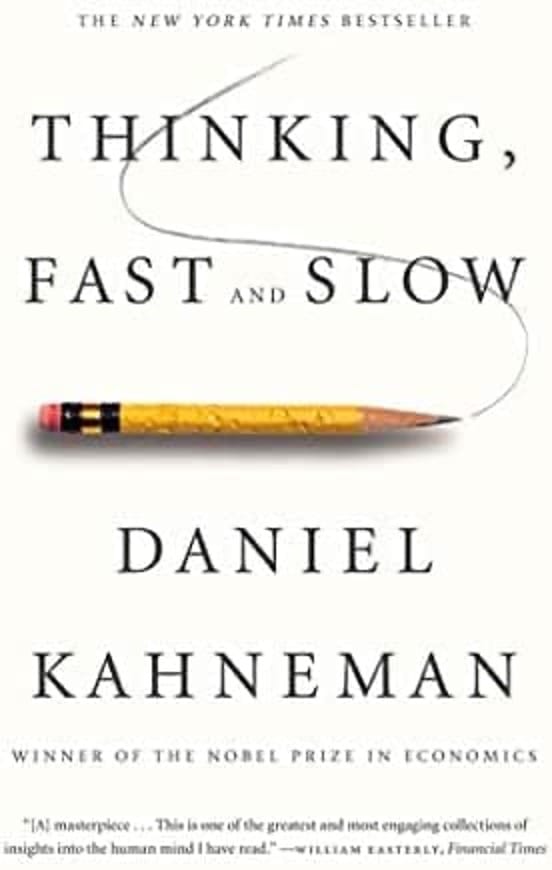
1. Thinking, Fast and Slow by Daniel Kahneman
Source: Amazon
So much of today’s success comes from having the right mindset for business. This book is dedicated to showing you how to think methodically and rapidly as well as how to know when to make faster or slower decisions. You want to be quick on your feet but you also need to avoid rushing into high-stakes choices that require logic over emotion.
In Thinking, Fast and Slow (Farrar, Straus and Giroux, 2011), author Daniel Kahneman teaches both a “fast system” and a “slow system” to help you determine when and how to use each thinking speed. When you’re brainstorming new marketing ideas, for example, you may want to implement fast thinking to churn out creative ideas. To refine and execute those ideas, though, you may shift into slow thinking. Mastering both styles can be immensely helpful for entrepreneurs and professionals. [Related article: What are decision support systems?]
How it applies to business: Successful leaders must know when to trust their gut and when to pause for data analysis. By distinguishing between these two modes of thought, you can avoid cognitive biases that often derail strategic planning.
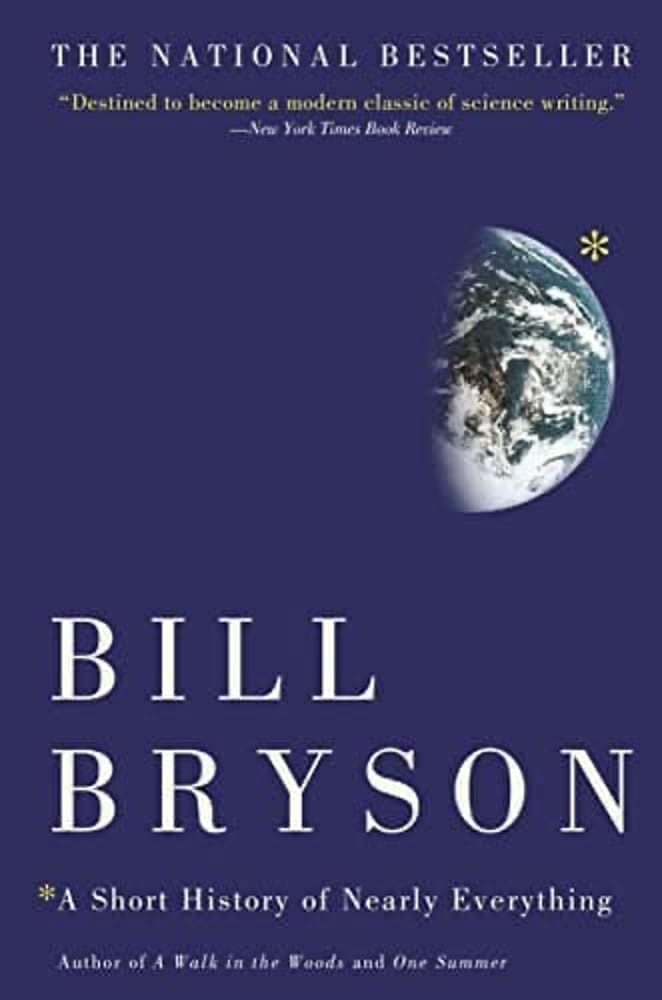
2. A Short History of Nearly Everything by Bill Bryson
Source: Amazon
In A Short History of Nearly Everything (Broadway Books, 2003), Bill Bryson shares information across many areas of science related to the universe and how we got to where we are in human history. Along the way, Bryson adds some heavy information on physics, biology, chemistry and more.
When you can discuss how and why we might be here as well as our purpose, you could impress more than a few people in conversation. Beyond cocktail party trivia, this book forces you to look at systems and evolution. What’s your value proposition? Who do you serve? What fundamental human problems does your business solve? Getting existential about humanity can help you get existential about your business, too.
How it applies to business: Understanding complex systems and historical contexts helps you ask better questions. This scientific literacy fosters a mindset of curiosity and critical inquiry, both of which are vital for innovation.
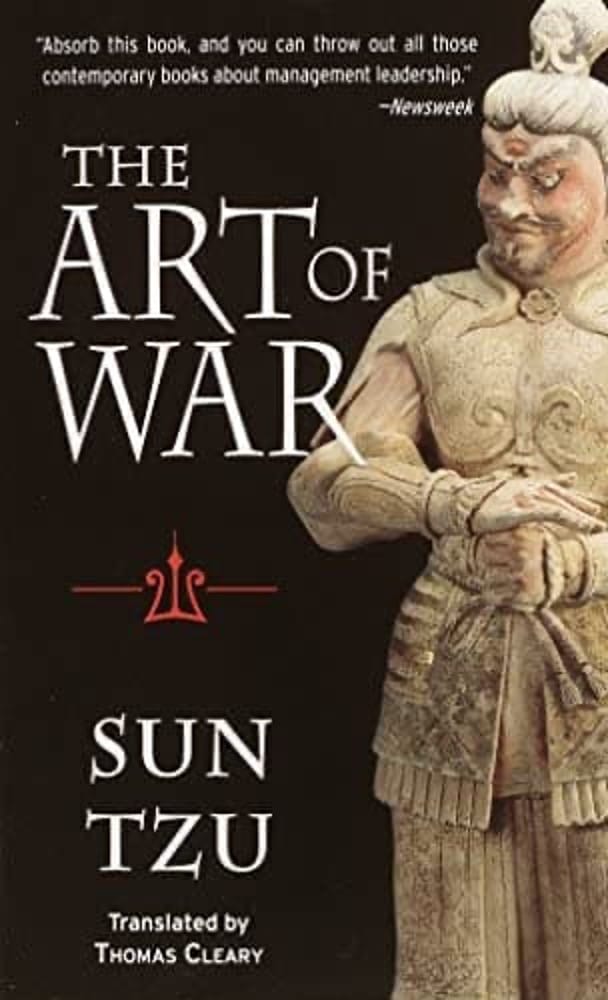
The Art of War, written by fifth-century B.C. military general Sun Tzu, at first seems like nothing more than an archaic military treatise. However, it contains serious wisdom about leadership and strategies that can benefit every modern entrepreneur. While you likely won’t be leading troops into physical battle, the boardrooms and marketplaces of today require similar tactical foresight.
Whether you’re maneuvering against a rival company or trying to inspire your employees, The Art of War is worth reading. We recommend you pick it up if you’d like to steel yourself for the battlefield of modern entrepreneurship.
How it applies to business: Sun Tzu teaches that the greatest victory is that which requires no battle. In business, this translates to competitive intelligence and strategic positioning that renders competitors irrelevant.
First published in 1972, The Greatest Secret in the World (Bantam, 1972) by Og Mandino has stood the test of time and is on several must-read lists. It not only offers insights on personal and financial success but also gives you a plan for developing the traits that will get you what you want. Mandino outlines a “scroll” system of habits to help you build persistence and empathy.
Since business can be understood as a series of relationships, what better way to improve your ability as an entrepreneur and leader? The Greatest Secret in the World could be the greatest secret to your business’s success, so we definitely suggest adding it to your reading list.
How it applies to business: Sales and leadership are fundamentally about human connection. The habits formed through this book enhance your ability to connect with clients and employees on a deeper, more trusted level.
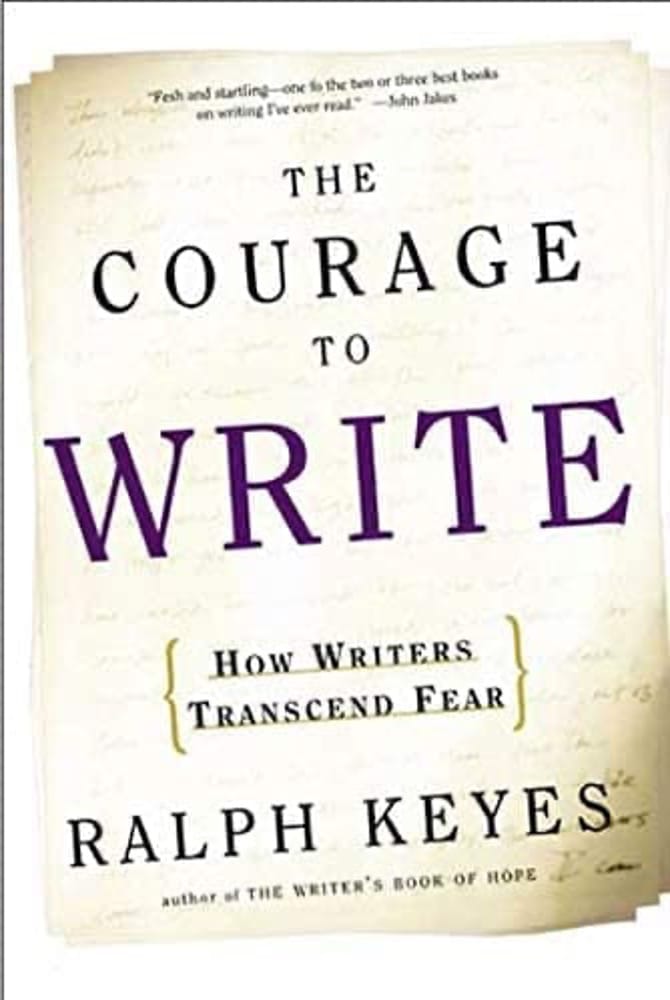
Writing well is often perceived as a sign of intelligence, and clear communication is a prerequisite for success as a leader. If you want to do both more effectively, pick up The Courage to Write: How Writers Transcend Fear (Holt Paperbacks, 2003). It serves as a how-to book and a fountain of inspiration on bravery. This book gives you the information you need to improve your grammar, structure, tone and style.
Even if you’re not a writer and you prefer to communicate verbally, this book will help you think through the ways we muddy our language with unnecessary flourishes. Moreover, in an era of remote work and digital communication, the ability to succinctly convey your mission is more valuable than ever. When you look behind the curtain of this manual, there’s a lot more going on than just a guide to becoming a better writer.
How it applies to business: Clear writing equals clear thinking. Mastering communication allows you to articulate your company vision to stakeholders and lead your team with less ambiguity.
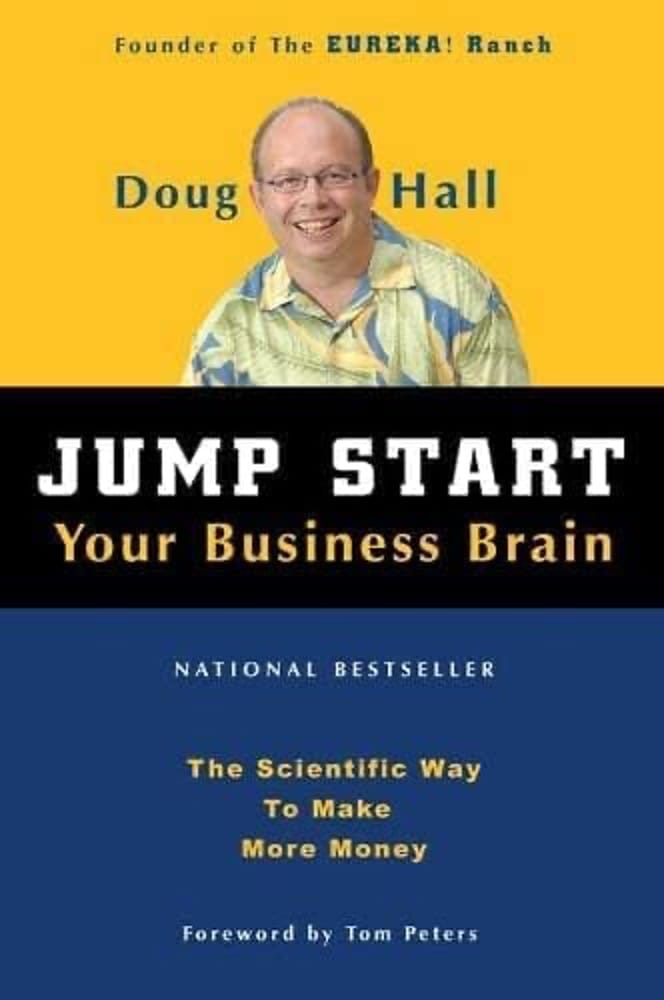
Jump Start Your Business Brain: The Scientific Way to Make More Money (Clerisy Press, 2005) by Doug Hall covers designing and launching a new product, an important topic for many entrepreneurs. In the book, Hall focuses on the skills and knowledge essential to making a viable product. He cites research and analysis to help you build a sales process that works, develop effective marketing strategies and employ other business techniques.
Compared to some of the other books on our list, Hall’s guide is plain-language business. If you don’t feel like parsing philosophical texts or ancient tomes for wisdom you can adapt to the modern workforce, consider Hall’s accessible guidelines for designing a product and launching it successfully — who knows, it may even inspire your next product.
How it applies to business: This is a manual for practical innovation. It moves beyond theory to provide a roadmap for testing ideas and reducing the failure rate of new product launches.
You might think some aspects of Cosmos (Random House, 1980) are over your head. But renowned astronomer Carl Sagan makes deep and expansive topics accessible to even the most general of readers. Sagan covers academic studies, such as religion, philosophy, history, culture and science, all the while pondering the meaning of life. You know, just a bit of light reading before you go to bed.
By seeing the bigger picture of the expansive cosmos, you might also be able to discern the bigger picture of your business. Sagan’s gift was taking complex data and translating it into a narrative everyone could understand. At the very least, it will get some creative juices flowing, as Sagan invites the reader to contemplate life from a new, broader perspective.
How it applies to business: Entrepreneurs often need to explain complex products or services to laypeople. Sagan’s communication style is a masterclass in how to make the technical accessible and inspiring.
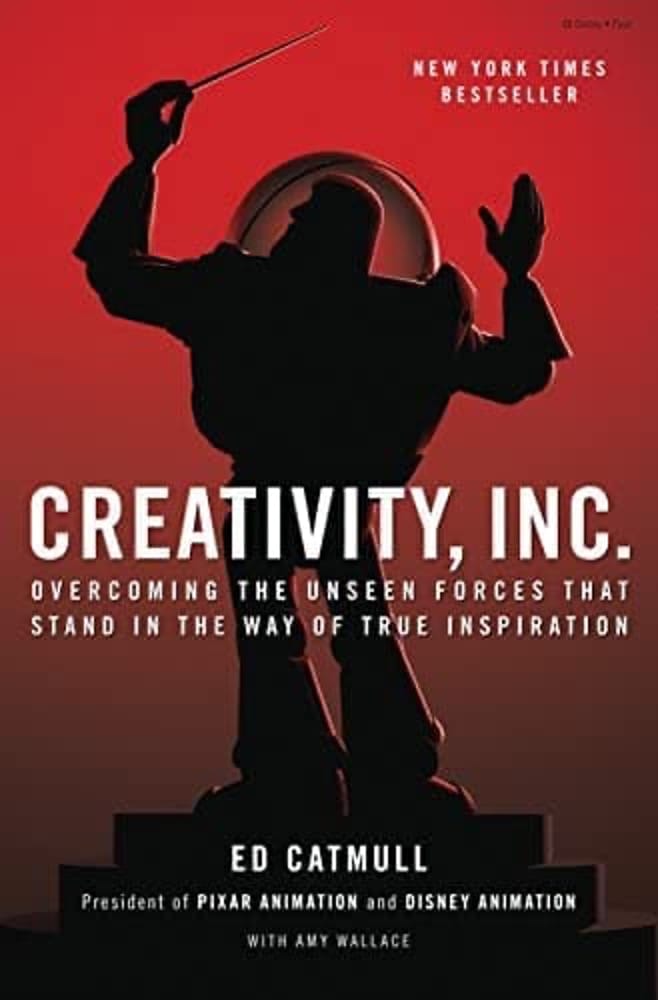
8. Creativity Inc.: Overcoming the Unseen Forces That Stand in the Way of True Inspiration by Ed Catmull and Amy Wallace
Source: Amazon
Creativity continues to be pegged as a critical success factor and a pathway to differentiation in business. Yet, it can be one of the most challenging things to put into a defining practice for use. Creativity, Inc.: Overcoming the Unseen Forces That Stand in the Way of True Inspiration (Transworld Publishers Limited, 2014) by Ed Catmull and Amy Wallace provides inspiring examples of business success. They use today’s biggest creative film successes to offer a glimpse of how to tap into the creative potential in us all.
This isn’t just about making movies; it’s about managing people. Entrepreneurs need to be creative, whether they’re just starting out or they need to come up with ways to pivot or scale their business. This book can help empower your creative side and get you brainstorming in new ways, so you can go back to the drawing board and come up with some truly groundbreaking ideas.
How it applies to business: Catmull outlines how to build a corporate culture that doesn’t just tolerate candor but demands it. This approach is essential for any business leader who wants to avoid stagnation.
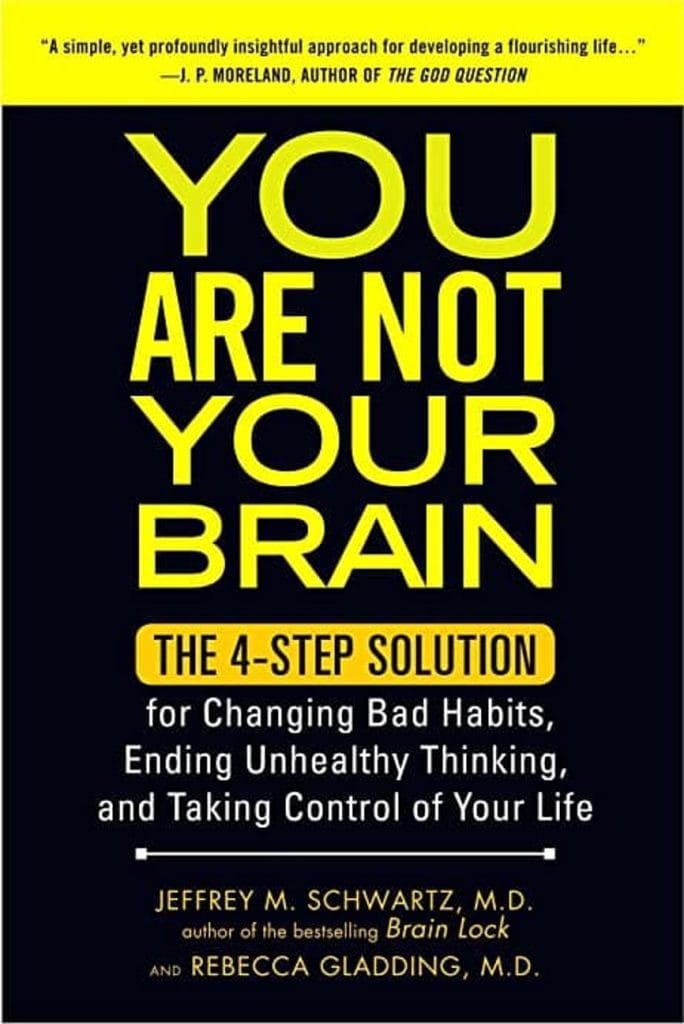
Whether you’re having a hard time getting started on a strong note or you need a mental reset to rededicate yourself to growing your business, this book delivers. It can help reframe your thinking toward obstacles or frustrations, as well as cut out bad habits that hinder your success. It separates your “mind” from your “brain,” giving you the agency to change hardwired behaviors.
How it applies to business: Emotional regulation is a superpower for CEOs. By learning to identify deceptive brain messages, you can remain calm under pressure and make decisions based on goals rather than impulses.
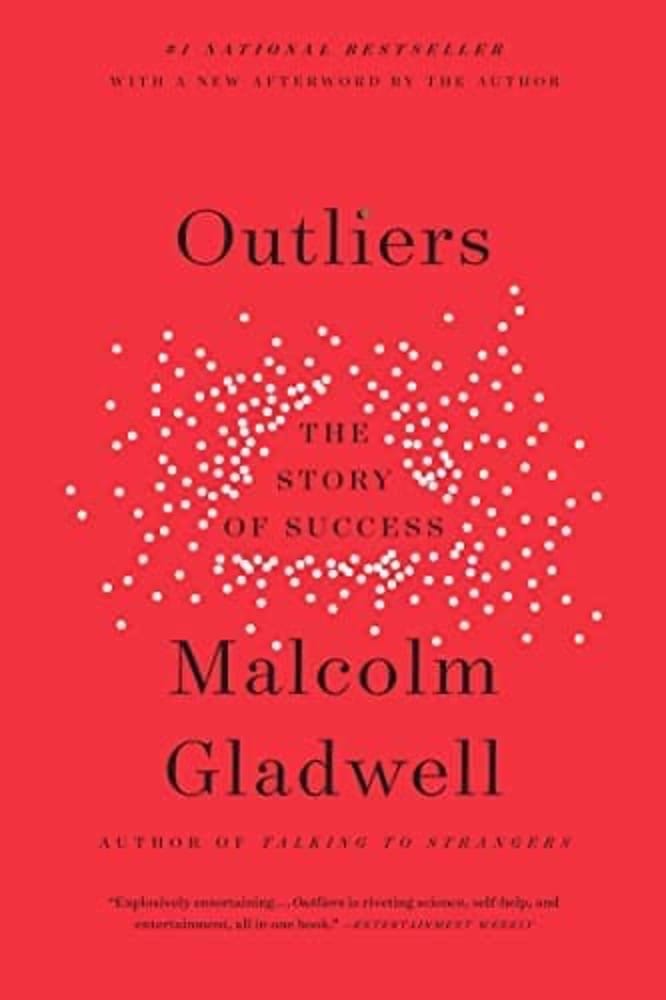
10. Outliers: The Story of Success by Malcolm Gladwell
Source: Amazon
While having a high IQ is great, Outliers: The Story of Success (Little, Brown, and Company, 2008) presents a logic behind why some people are more successful than others. In the book, author Malcolm Gladwell illustrates that high IQ is not always directly related to intelligence. Using findings from evolutionary psychology, Gladwell teaches readers how to be smarter and more successful.
The truth is that the most successful entrepreneurs aren’t always the smartest people — they’re the most adaptable. Understanding how to adapt yourself and your team to solve problems is the foundation of running a good business. Knowing how to pivot to meet ever-changing market conditions can keep your business afloat during challenging times. You don’t have to be a genius to be a great business leader, and Outliers helps explain why.
How it applies to business: Success is often a mix of timing, practice and opportunity. Recognizing these external factors helps you spot the right moment to strike and reminds you that hard work needs to be paired with strategic timing.
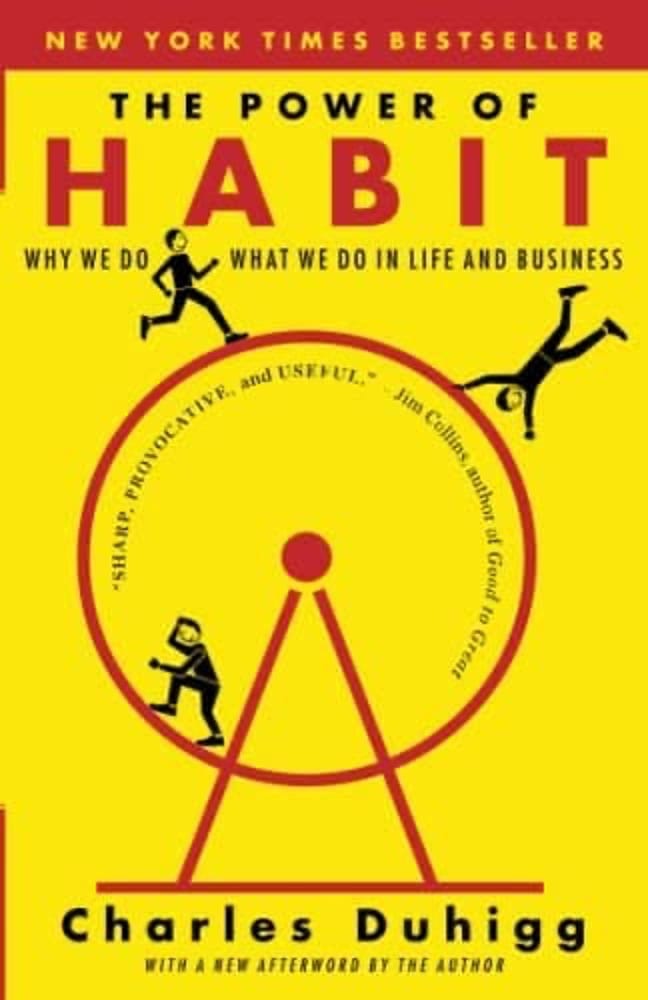
11. The Power of Habit: Why We Do What We Do in Life and Business by Charles Duhigg
Source: Amazon
Habit drives more of what we do than we might realize. The Power of Habit: Why We Do What We Do in Life and Business (Random House, 2012) shows how to leverage habit for our benefit. Author Charles Duhigg examines why we develop habits — specifically the “cue, routine, reward” loop — and how to mold them in our favor. After all, if your habits are at odds with growing your business, it’s going to be hard to run a successful company.
Duhigg offers clear insights into how habit can impact business, too, so you won’t have to work very hard to apply his insights to entrepreneurship. This book is ideal for anyone who wants to take control over the routine and establish new, healthier habits that help them be more intentional with their time.
How it applies to business: Businesses run on organizational habits. Understanding the “habit loop” allows you to modify not just your personal productivity, but your company culture and customer retention strategies.
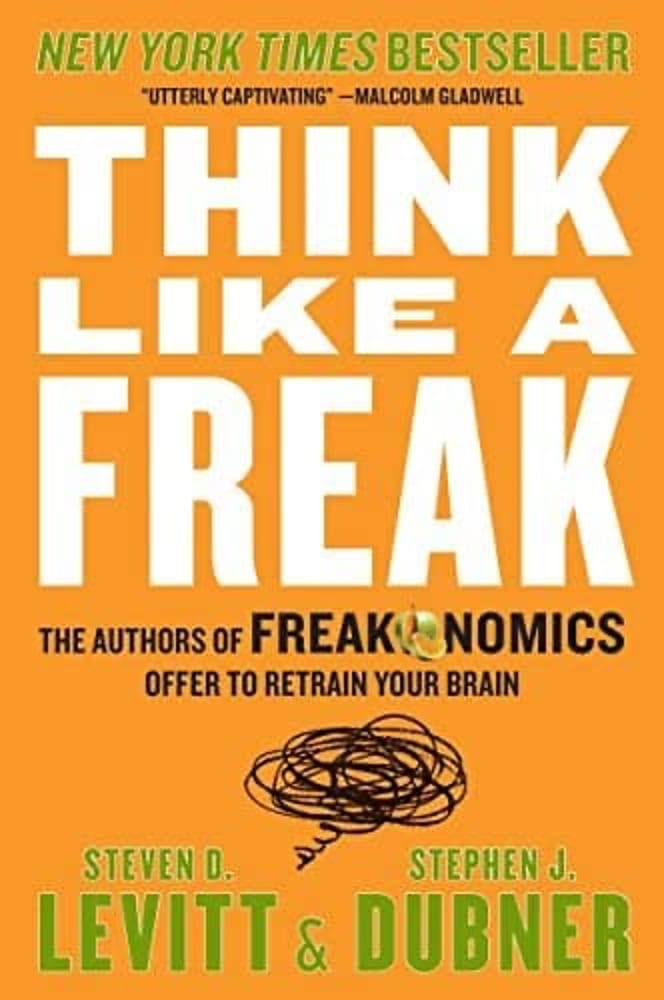
12. Think Like a Freak: The Authors of Freakonomics Offer to Retrain Your Brain by Steven D. Levitt and Stephen J. Dubner
Source: Amazon
Becoming more intelligent often requires changing perspectives and altering the way you think and make decisions. Taking a new perspective could even be the thing that helps you identify the new, disruptive trend that your competitors have missed entirely. Think Like A Freak (William Morrow, 2014) can help break you out of mainstream, conditioned trains of thought that ultimately hold you back.
Through the use of diverse examples within this book, the authors offer a variety of steps to help readers begin thinking differently. Common wisdom is often wrong or at least incomplete. If you can embrace those lessons, you can stay ahead of the curve while everyone else in your industry just continues to do the same old things.
How it applies to business: This specific brand of analytical thinking helps you identify root causes rather than just symptoms. It encourages entrepreneurs to challenge industry dogmas and find simpler, more effective solutions to complex problems.
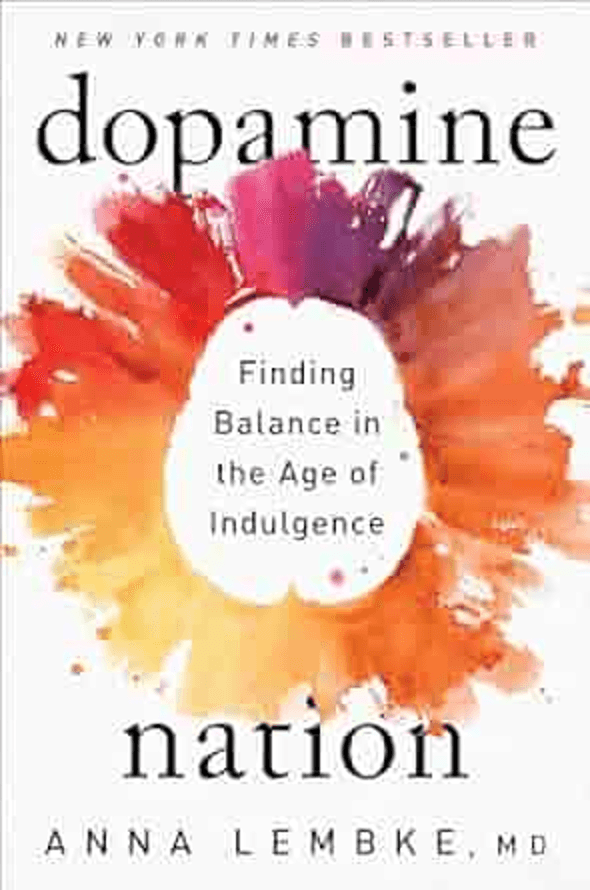
13. Dopamine Nation: Finding Balance in the Age of Indulgence by Anna Lembke, M.D.
Source: Amazon
Understanding how to motivate yourself and properly use your time are major skills entrepreneurs need to master. Dopamine Nation: Finding Balance in the Age of Indulgence (Dutton, 2021) pulls the curtain back on the neuroscience driving human motivation and reward-seeking behavior. Author Anna Lembke, M.D., breaks down research behind how and why humans do what they do, even when it’s sometimes to their own detriment. Lembke also shows readers how to rewire that behavior to better serve your goals.
A deeper understanding of the brain’s reward system, namely how the neurotransmitter dopamine works, can help you rethink motivation. In an attention economy where distraction is constant, this knowledge is power. Dopamine Nation can also help you get inside the minds of your customers and understand what really motivates them to buy your products or services.
Whether you want to improve your focus, spur your team to victory more effectively, or entice your customers to return, Lembke’s book offers useful insights into how the human mind seeks rewards. With these insights, you can make sure you’re setting yourself and your team up for success.
How it applies to business: By understanding the pain-pleasure balance in the brain, you can design better products that truly stick with users and manage your own burnout by regulating high-dopamine inputs like social media.
Marcus Aurelius was a Roman emperor, but he also had some pretty down-to-earth insights modern leaders and entrepreneurs may find useful. Historians believe Aurelius’ Meditations weren’t intended for public consumption but were instead a series of private notes to himself as he navigated his life and shaped his personal philosophy. For business leaders, Aurelius’s book offers a reminder to focus on the big picture and avoid getting bogged down in minor frustrations. It also extols leaders who maintain virtues like courage, compassion, and curiosity.
While much of Meditations may seem existential, its wisdom can easily be applied to managing a business and leading a team without losing one’s sense of self. Stoicism has seen a massive resurgence in the business world for this very reason: It is the ultimate operating system for high-stress environments.
How it applies to business: Aurelius teaches emotional resilience. This ability to remain steady during market volatility or internal crises separates successful long-term leaders from those who burn out under the pressure of entrepreneurship.
You may think to yourself, “What do symbols have to do with business?” One look at all the most iconic brands and the feelings they evoke within their customers can answer that question. Think of the Apple logo or the Nike swoosh—these aren’t just drawings; they are psychological triggers.
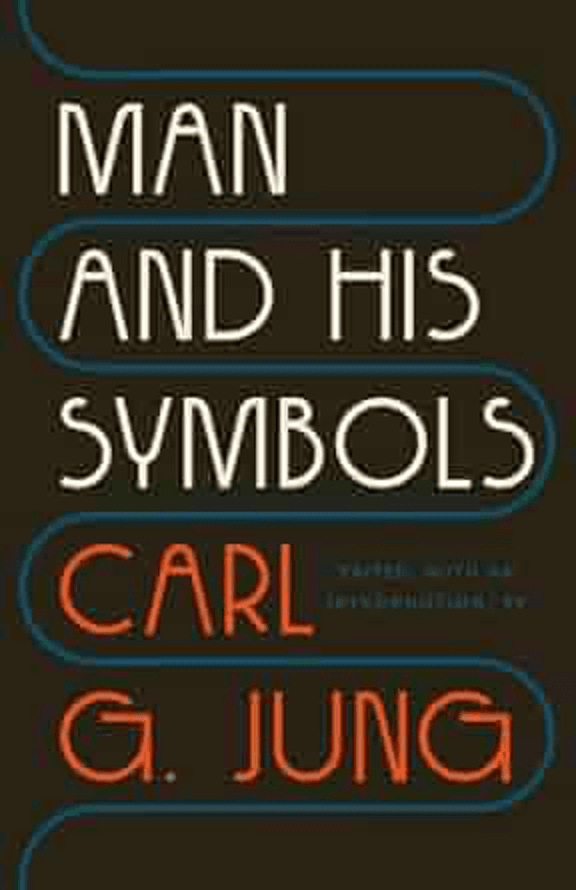
In Man and His Symbols (Dell, 1968), one of the last written works psychiatrist Carl Jung contributed to, Jungian psychologists describe the importance of symbols in human life. The book describes how symbols appear in dreams, religion, art and elsewhere, digging deep into their importance and what individuals can learn from their collective imagery.
For businesses, symbolism is a key means of communicating with customers. This goes beyond brand logos and into the way businesses and their leaders carry themselves, not just in what they say but in what they do. Symbols run deep in human consciousness, which gives them great power. Businesses that can tap into an understanding of how symbols compel humans in myriad ways can better build a relationship with customers.
Whether these books change how you think, decide or act, others will begin to notice incremental improvements in your intelligence. This could mean greater respect at work, a jump in the influence you have over others or even a fast pass to a spot on Jeopardy.
How it applies to business: Jung’s insights into archetypes are invaluable for marketing. Understanding the universal symbols that drive human emotion allows you to craft brand stories that resonate on a subconscious level.
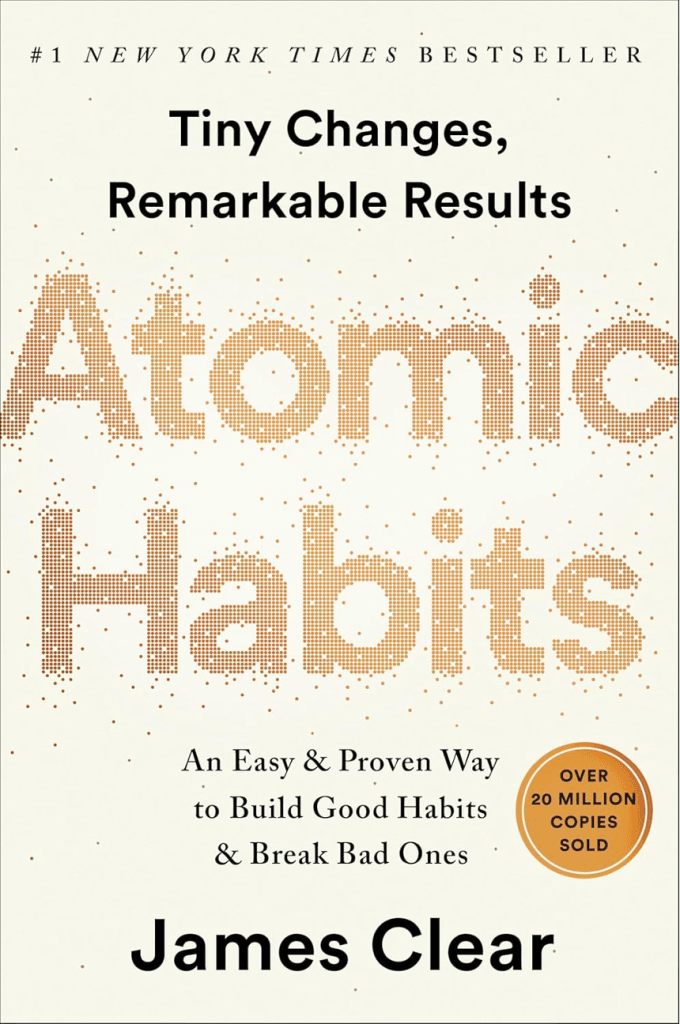
16. Atomic Habits: Tiny Changes, Remarkable Results by James Clear
Source: Amazon
Understanding how to motivate yourself and properly use your time are major skills entrepreneurs need to master. Atomic Habits: Tiny Changes, Remarkable Results (Avery, 2018) by James Clear offers a proven framework for building better habits through small, consistent changes. Clear explains the Four Laws of Behavior Change and how tiny improvements compound over time to create remarkable results. The book demonstrates how to make good habits inevitable and bad habits impossible through systematic approaches.
How it applies to business: Clear’s concept of “aggregation of marginal gains” is perfect for business scaling. Success isn’t one massive launch; it’s getting 1% better every day in your operations, sales, and management.
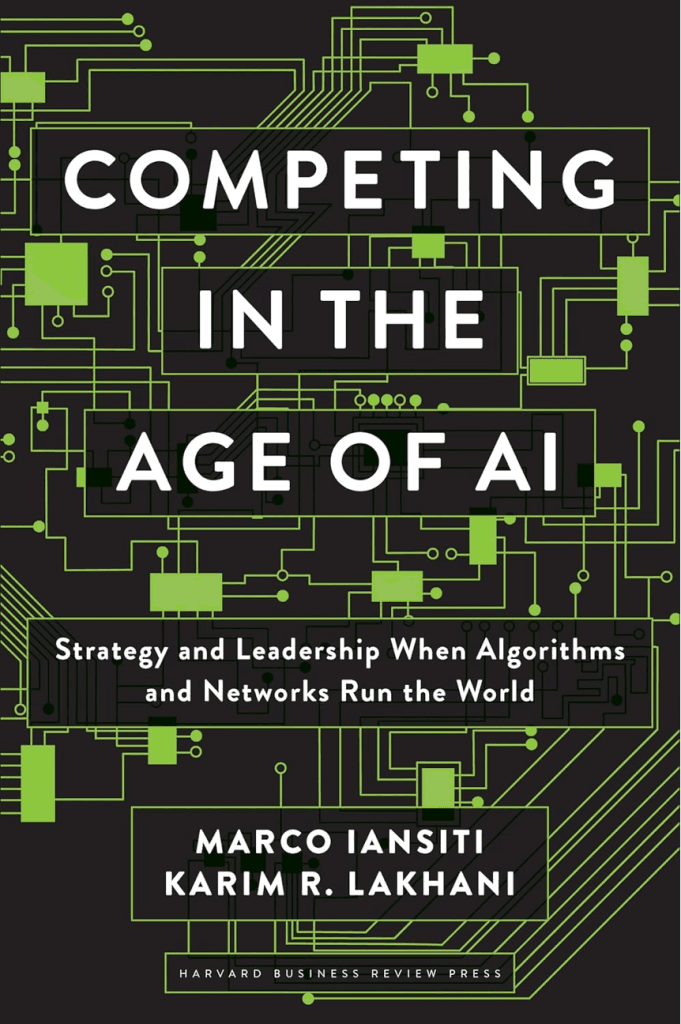
17. Competing in the Age of AI: Strategy and Leadership When Algorithms and Networks Run the World by Marco Iansiti and Karim R. Lakhani
Source: Amazon
Competing in the Age of AI: Strategy and Leadership When Algorithms and Networks Run the World (Harvard Business Review Press, 2020) by Marco Iansiti and Karim R. Lakhani explains how AI-driven processes can help businesses increase scale and scope at unprecedented rates. Especially relevant now that generative AI tools like ChatGPT have gone mainstream, the authors outline the inherent risks of AI, offer advice for rethinking current operating models and provide insights into the new responsibilities of modern companies.
How it applies to business: This book explains how “digital firms” operate differently than traditional ones. Leaders must understand how to leverage data and algorithms to remove bottlenecks, or they risk being outpaced by leaner, AI-native competitors.
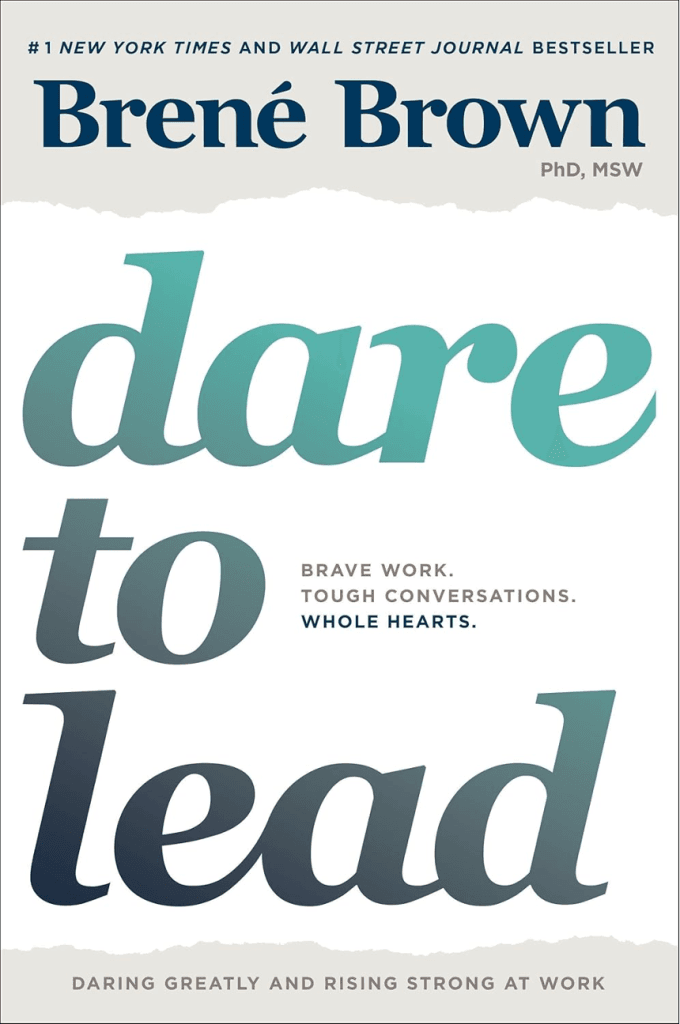
18. Dare to Lead: Brave Work, Tough Conversations, Whole Hearts by Brené Brown
Source: Amazon
Leadership requires courage and vulnerability. Dare to Lead: Brave Work, Tough Conversations, Whole Hearts (Random House, 2018) by Brené Brown outlines the four courage-building skills needed to nurture brave leaders and courageous cultures. Brown teaches that effective leadership comes not from title or status, but from the willingness to be vulnerable, have difficult conversations and build trust through authentic connections.
How it applies to business: Brown flips the script on “tough” leadership. For entrepreneurs, this book helps you create a psychologically safe culture. When employees aren’t afraid to fail or speak up, innovation thrives.
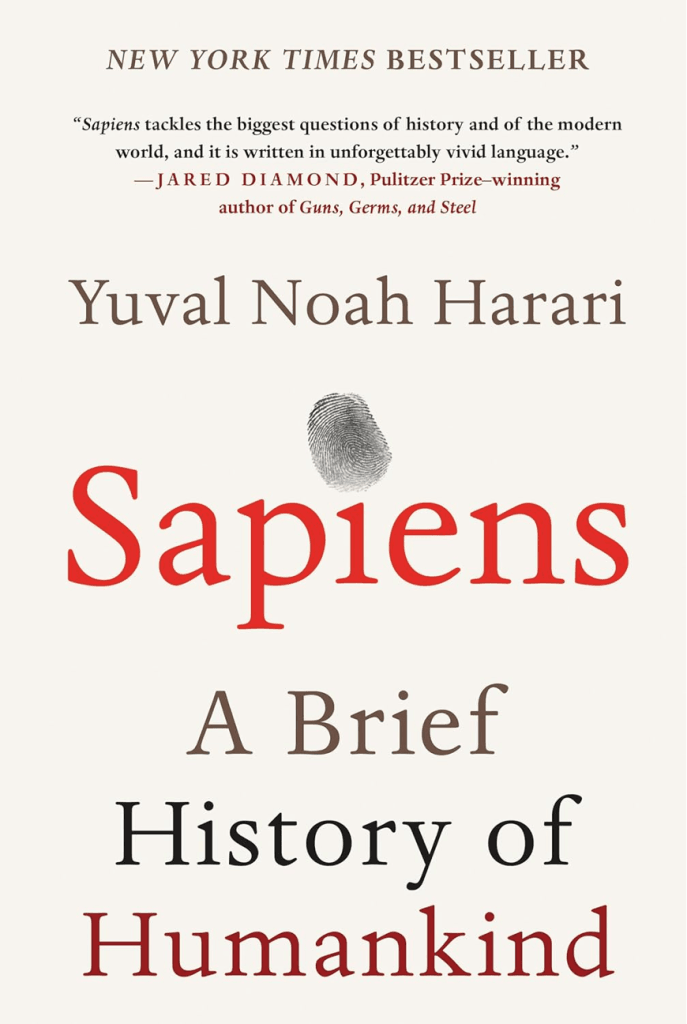
19. Sapiens: A Brief History of Humankind by Yuval Noah Harari
Source: Amazon
To understand where business is headed, it helps to understand where humanity came from. Sapiens: A Brief History of Humankind (Harper, 2015) by Yuval Noah Harari takes readers on an extraordinary journey through human history, explaining how Homo sapiens evolved, developed societies and shaped the modern world. Harari explores themes of capitalism, religion and technological progress, providing insights into how past decisions shape our current society.
How it applies to business: Harari argues that a company is just a “shared fiction”, or a story we all agree to believe in. Understanding the power of these shared narratives allows leaders to build stronger corporate visions and brand identities.
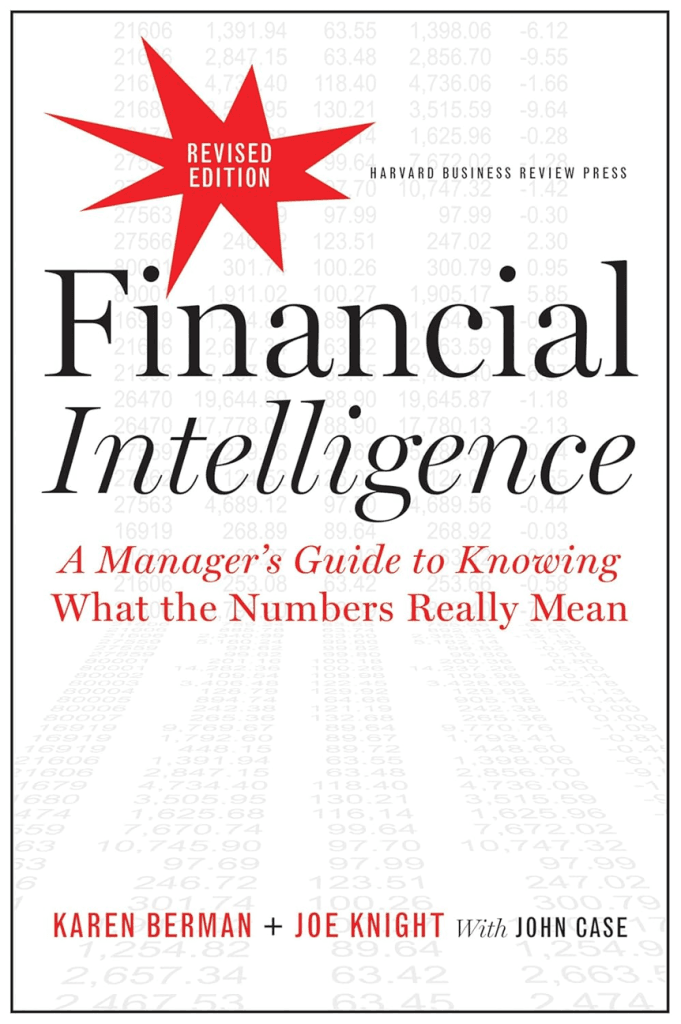
20. Financial Intelligence: A Manager’s Guide to Knowing What the Numbers Really Mean by Karen Berman and Joe Knight
Source: Amazon
Understanding business finances is crucial for entrepreneurial success, regardless of your background. Financial Intelligence: A Manager’s Guide to Knowing What the Numbers Really Mean (Harvard Business Review Press, 2013) by Karen Berman and Joe Knight provides a comprehensive guide to financial literacy for non-financial managers. The book explains how to read and interpret financial statements, understand key financial concepts and make better business decisions based on financial data.
How it applies to business: Your gut instinct on sales is not enough. This book empowers you to debate the numbers with your CFO or accountant. It reveals that accounting is an art, not just a science, and helps you spot where the real value (and risk) lies in your company.
If you aren’t already sold on the idea of reading more books, here are five ways it can help you in business and life.
Strengthens business skills
Many of the books on this list offer insights that can help improve leadership styles, strategic planning, daily habits and more. While it will still take putting these ideas into practice to see improvement in your skills, guidance and wisdom are all available in these books. Entrepreneurs are great at learning from other people and drawing inspiration from all sorts of places, and it’s no different when it comes to cracking a book. If you apply the lessons from the books in our list, you’ll undoubtedly begin to see tangible changes in the skills it takes to make your business successful.
Improves reading comprehension
Reading exposes you to information you might have otherwise never learned. Research from the National Center for Education Statistics shows that adults with higher literacy levels demonstrate stronger problem-solving skills in technology-rich environments. In addition to gaining more expertise from the books you read, you’ll improve your ability to comprehend information. This makes it easier to read between the lines, understand any hidden messages in communications you receive from others and see the bigger picture.
Did You Know?
Reading can give you a stronger ability to see from different perspectives, especially if you read books from diverse authors.
Improves communication skills
Listening to others’ ideas and how they communicate them can help you learn how to communicate more effectively and ensure your ideas come across clearly. This can help with public speaking as you learn the flow of words and sentences, how conversations naturally occur and what structures there are for expressing certain ideas or topics. This is useful when networking or communicating with people within your business. Conversations will be more effective, and you will be seen as a great communicator with high emotional intelligence. [Read more about the importance of emotional intelligence in sales.]
Reduces stress
Running a small business can get hectic and stressful. But remember, taking time off to relax is as necessary as working hard. A simple way to do this is by reading. A study from the University of Sussex found that reading for just six minutes can reduce stress levels by up to 68%, making it more effective than other relaxation methods like listening to music or taking a walk. Plus, it has the added benefit of potentially lowering blood pressure and heart rate. So, not only does reading enhance your knowledge, but it also bolsters both your physical and mental health.
Helps you become a better writer
Writing is essential in business. You use it for memos, emails, social media posts and official documents. When you read, you expose yourself to a variety of voices and styles, which can help you learn different ways of communicating ideas. You’ll learn different tactics, such as using facts to support your points or grabbing attention with various writing styles. Plus, the more you read, the more you will have a beefed-up vocabulary.
FAQs
Books that challenge your thinking across multiple domains tend to be most effective for boosting intelligence. This includes works on psychology and behavioral economics that explain how the mind works, science books that broaden your understanding of the world, philosophy texts that develop critical thinking, and business strategy books that enhance analytical skills. The key is choosing books that require active engagement and force you to consider new perspectives or complex ideas.
Focus on books that have stood the test of time and are frequently referenced by experts in various fields. Look for works by Nobel Prize winners, bestselling authors with strong academic credentials, and books that have influenced entire industries or schools of thought. Classic texts like "The Art of War" or contemporary game-changers like "Thinking, Fast and Slow" demonstrate both intellectual depth and practical applicability that others will recognize and respect.
Yes, research consistently shows that regular reading enhances multiple types of intelligence including crystallized intelligence (accumulated knowledge), fluid intelligence (problem-solving ability), and emotional intelligence. Reading expands vocabulary, improves analytical thinking, enhances pattern recognition and develops the ability to understand complex relationships between ideas. The key is reading challenging material that pushes your cognitive boundaries rather than just consuming easy entertainment.
The most intelligent books typically combine rigorous research with practical insights that can be applied across multiple contexts. Works like "Sapiens" by Yuval Noah Harari provide sweeping historical perspectives, while books like "Financial Intelligence" offer deep dives into specific skill sets. The best choices are books that not only inform but also change how you think about fundamental aspects of business, psychology, history, or science, giving you frameworks for understanding complex systems and making better decisions.
John Rampton and Sean Peek contributed to this article.
Adam Uzialko, the accomplished senior editor at Business News Daily, brings a wealth of experience that extends beyond traditional writing and editing roles. With a robust background as co-founder and managing editor of a digital marketing venture, his insights are steeped in the practicalities of small business management.
At business.com, Adam contributes to our digital marketing coverage, providing guidance on everything from measuring campaign ROI to conducting a marketing analysis to using retargeting to boost conversions.
Since 2015, Adam has also meticulously evaluated a myriad of small business solutions, including document management services and email and text message marketing software. His approach is hands-on; he not only tests the products firsthand but also engages in user interviews and direct dialogues with the companies behind them. Adam's expertise spans content strategy, editorial direction and adept team management, ensuring that his work resonates with entrepreneurs navigating the dynamic landscape of online commerce.