Like baking sourdough bread and spraying our mail with Lysol, remote job listings are far less common than they were in 2020, with most workers back in major metro offices. Yet, where can you find the work-from-home holdouts?
Colorado, Oregon, and Arizona have more remote workers than any other states, according to U.S. Census Bureau research analyzed by Fullstack Academy. Mississippi, Louisiana, and North Dakota have the fewest.
For individual U.S. cities, Washington, D.C. (27% remote) and its suburb Arlington, Virginia (29% remote) took two of the top three spots as of January, but … well … that’s probably not the case as of February.
|
|
|
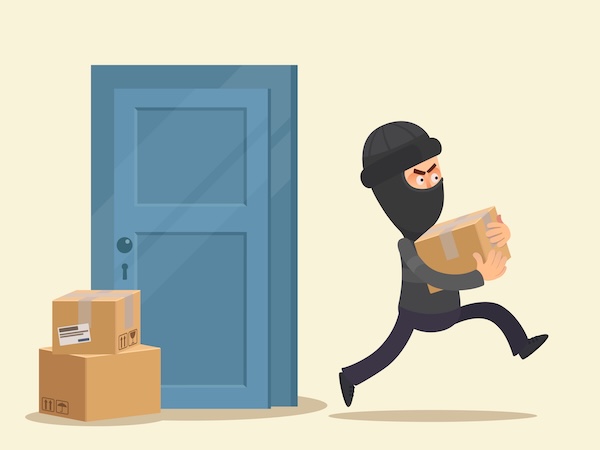
Porch pirates: Is package theft sinking e-commerce?
Chili’s: America wanted its baby back, baby back, baby …
Beer waterfall: Marketing gimmicks are bigger in Texas
|
|
|
Here There Be Porch Pirates: Is Package Theft Sinking E-commerce?
|
With an average of 60 packages delivered annually for each person on the planet, convenience isn’t the only thing on the rise — so is porch piracy. Thieves swiped an estimated 120 million packages from doorsteps in 2023 and are responsible for $12 billion worth of lost packages last year.
While e-commerce is a $1.2 trillion industry and a 1 percent loss might not be a seismic hit, it’s still significant. “The more products stolen, the more customer services claims there are to address, more refunds to give out and inventory to be used on replacement products — impacting a business’s bottom line,” supply chain expert Eric Fullerton told Cheddar.
Here are steps businesses can take to prevent porch-related thievery:
Ship in plain packages. Slapping your logo on a box or bag might be good marketing, but it can also “make targets more tempting as it provides clues to what could be inside,” Middle Tennessee State University criminal justice professor Ben Stickle told NPR.
Delivery ETAs and secure drop-off spots. Return-to-office policies might’ve emboldened criminals during the workday. Business communications service provider Ooma recommends GPS tracking and “text message notification, email confirmation [and] calling customers in advance” so they’ll know when to be home, along with providing “the option to pick up their packages from a secure location.”
Refund or replace. Amazon’s policy to “make things right” when a package gets stolen is an investment in consumer goodwill (and one that’s very much funded by a $139-per-year Prime subscription fee). However, for businesses selling one-of-a-kind or vintage items, that might not be possible.
Offer insurance. Companies like PorchPals and Extend provide the option of reimbursement for stolen packages to consumers and merchants alike. “Customers remain happy, merchants control costs,” promises Extend’s marketing text. “You strike fear into porch pirates everywhere.” Arrrrrrrrr.
|
|
|
We Want Our Baby Back: How Chili’s Rebranded for a New Generation
|
As most millennials know, going out to Chili’s for a round of “Southwestern Eggrolls” was wildly popular in the early 2000s. However, the chain never quite bounced back from the Great Recession … until now.
While once-popular restaurant brands like Applebee’s and TGI Fridays struggle to stay afloat, Chili’s same-store sales jumped 15 percent in Q4 2024. So, what gives?
Along with improving the restaurant’s physical locations in recent years, Chili’s focused on its social media strategy, especially on TikTok. Viral videos from food influencers like Dylan McArthur earned millions of views. McArthur’s content inspired independent content creators to go to Chili’s and order their own “Triple Dippers,” in search of similar engagement metrics. The ripple effects bubbled over like molten chocolate cake.
Kevin Hochman, CEO of Chili’s parent company Brinker International, credited the company’s savvy social use. “Our marketing team has done a great job of getting back into … the zeitgeist,” Hochman told CNBC. We’ll raise a marg to that.
|
|
|
Dallas’ Beer Waterfall: Even the Marketing Gimmicks Are Bigger in Texas
|
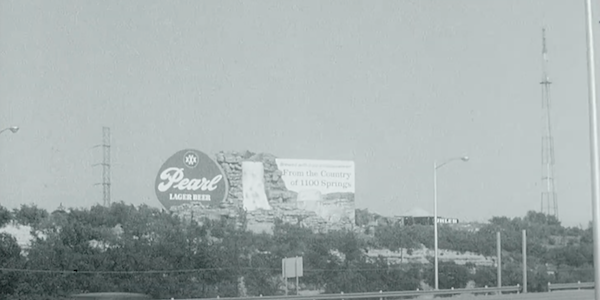
In the ultimate Sir David Attenborough voice: If you’ve ever road-tripped or commuted down the I-35 freeway in Dallas, you’ve seen something special … the rare urban beer waterfall, native to Texas.
The famed plaster billboard — 45 feet high by 150 feet wide — debuted in 1962 to market San Antonio’s own Pearl Lager. Since then, it has advertised liquids from Coors, Absolut Vodka, Miller Lite and Topo Chico.
Over 60 years later, the waterfall (conceived by the Tracy-Locke agency) still rages under the curation of Clear Channel Outdoor. In fact, with time-in-traffic up 28 percent for Dallas residents in recent years, it might be more viewed than ever. A good gimmick is more than eye-catching … it’s timeless.
|
|
|
Written by Dan Ketchum and Lauren Vino.
|
|
|
|