Choosing the right billing service means interrogating every aspect of their process before signing a contract. A medical billing service will be handling your money and highly sensitive patient data, so you should have the utmost trust and confidence in a service before you hire them.
“From my experience and understanding, the must-have features are robust claims processing, coding accuracy, and compliance with regulations like HIPAA,” said John Russo, vice president of Healthcare Solutions at OSP. “Effective denial management and patient-friendly billing systems are essential to ensure financial stability and improve patient satisfaction.”
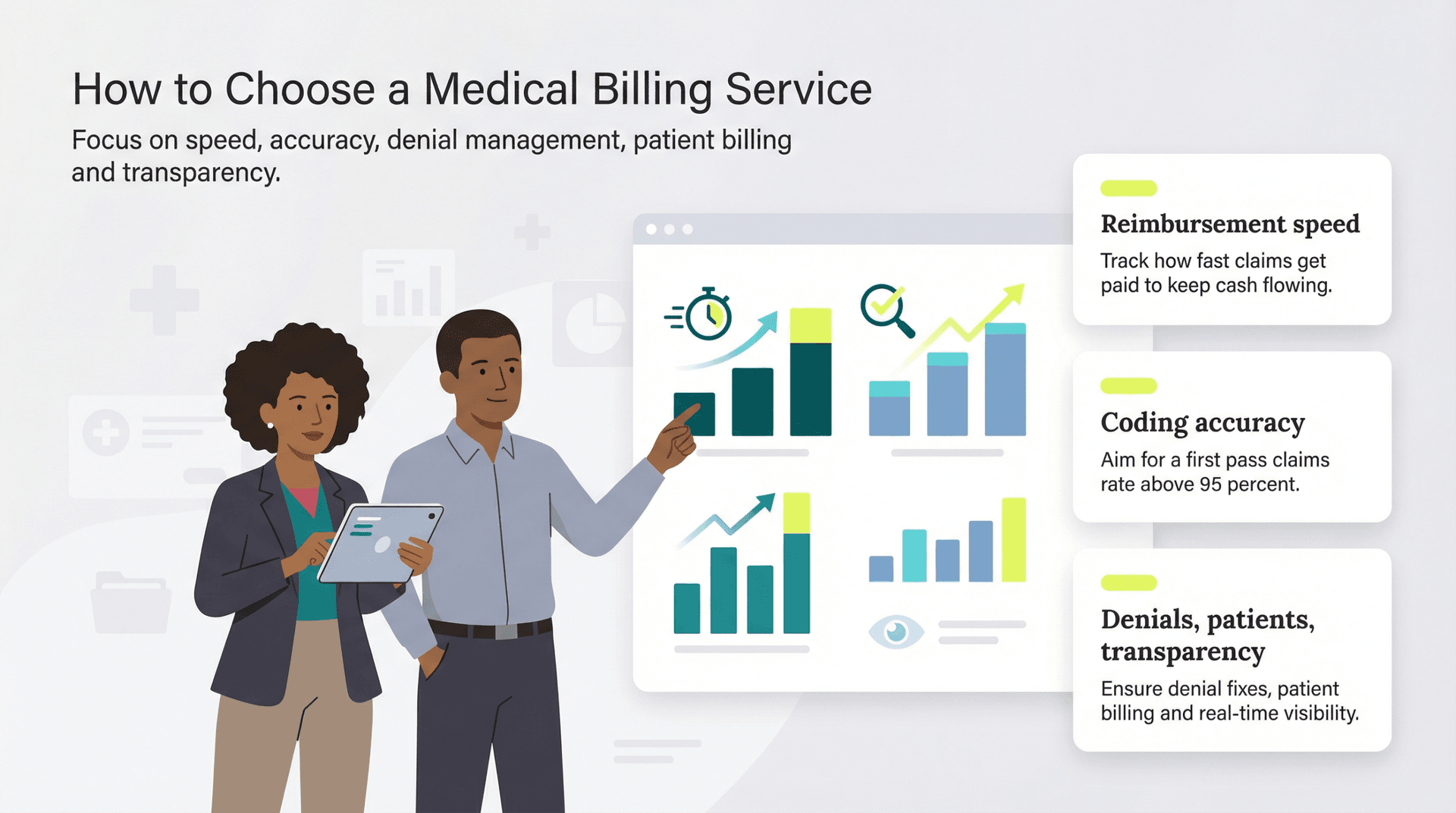
Consider average reimbursement time
When choosing a medical billing service, compare them to your existing billing department with specific metrics like reimbursement time. The sooner you get paid, the stronger your cash flow, which is a major factor in a small business’s survival. A medical billing service should significantly improve upon your current average reimbursement time.
“I worked on a project where we streamlined the submission of insurance claims, significantly reducing the time it took for reimbursements to come through,” Russo said.
Consider coding accuracy and first pass claims rate
Medical coding is critically important when it comes to getting claims paid quickly and on the first pass. Scrutinize a medical biller’s track record when it comes to medical coding and first pass claims rate before hiring them. If their medical coding is up to par, their first pass acceptance rate should exceed the industry standard 95 percent.
“Another essential function is coding accuracy. Proper coding ensures correct billing services,” Russo said. “In one of my recent projects, we implemented a system that automatically checked for coding errors, which cut down on claim denials by 25 percent.”
Review denial management processes
The ability to revise claims and turn denials into collections is the hallmark of an effective billing department. To be able to do so quickly and efficiently is even more important. Review a service’s denial management process to determine how quickly you can expect them to fix errors and get claims paid.
“Denial management is also crucial. Handling rejected claims efficiently can save much revenue,” Russo said. “In a recent project, we created a module that flagged and provided detailed reasons for denied claims, making it easier to address issues quickly.”
Don’t forget about patient billing
It can be easy to focus on dealing with the payers and asking billing services how they’ll manage following up on denied claims, but patient billing is just as important. Collecting copayments at the point of care is a big part of it, but oftentimes you’ll need to send patient statements for out-of-pocket expenses after the fact. Patients may sometimes be slow to pay when receiving a statement well after their appointment, so a robust and prompt patient billing process is critical.
“Patient billing and collections are equally important. Clear, accurate bills and efficient follow-up on unpaid bills help maintain a healthy revenue cycle,” Russo said. “I’ve seen firsthand how a patient-friendly billing system can improve collections and patient satisfaction.”
Consider transparency in medical billing software
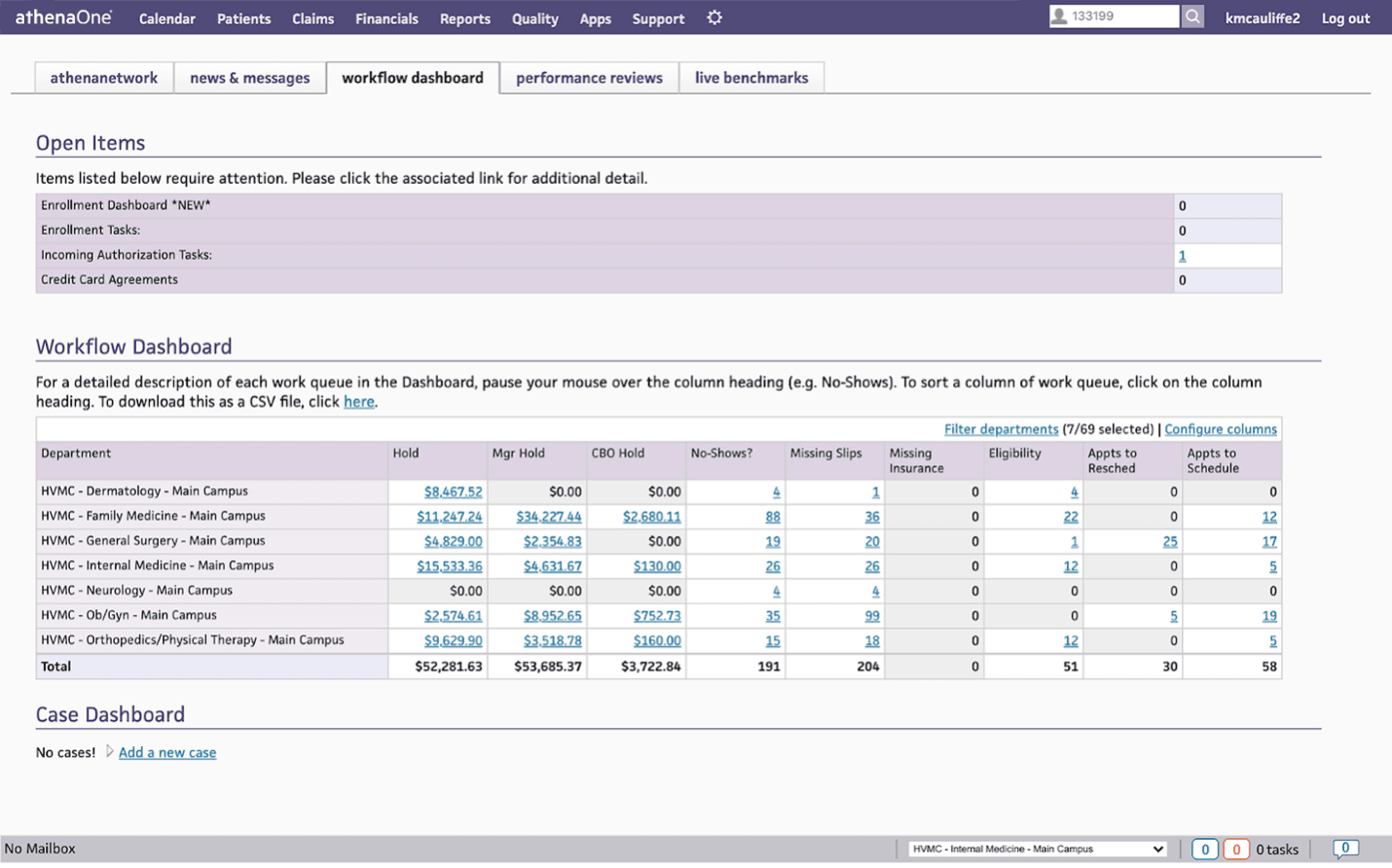
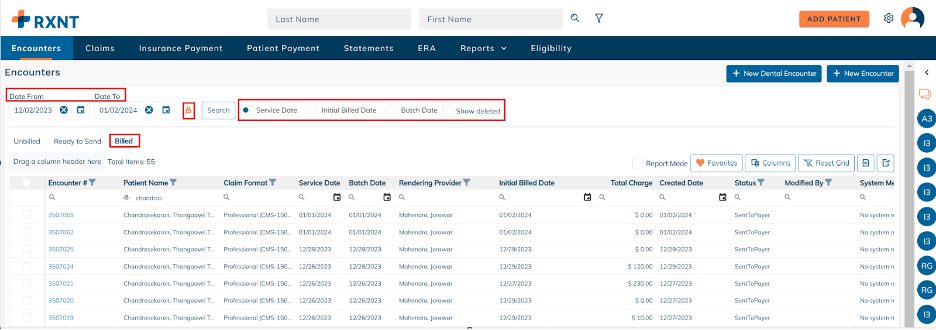
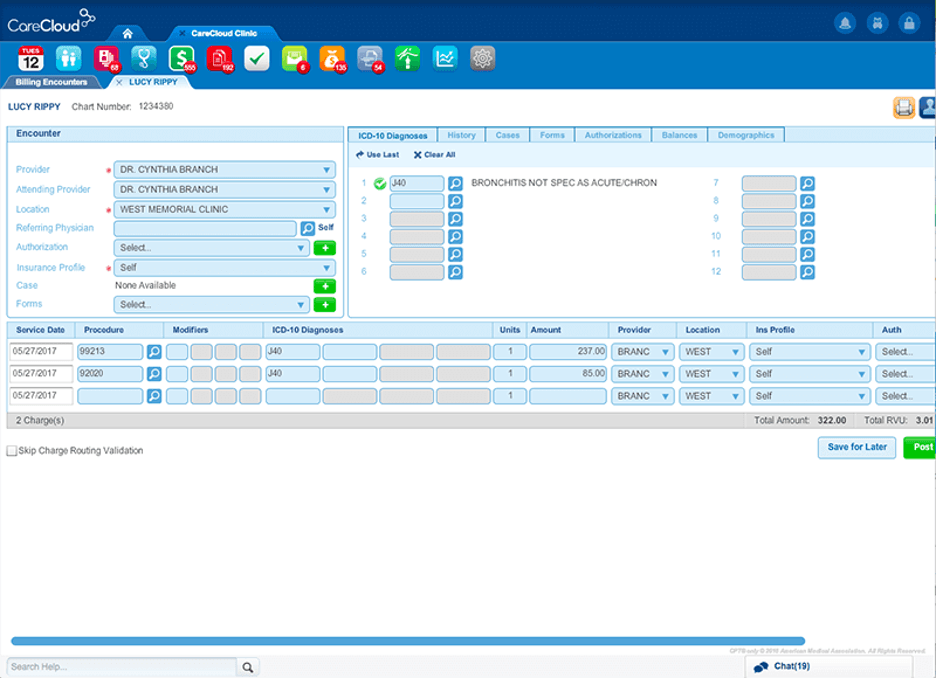
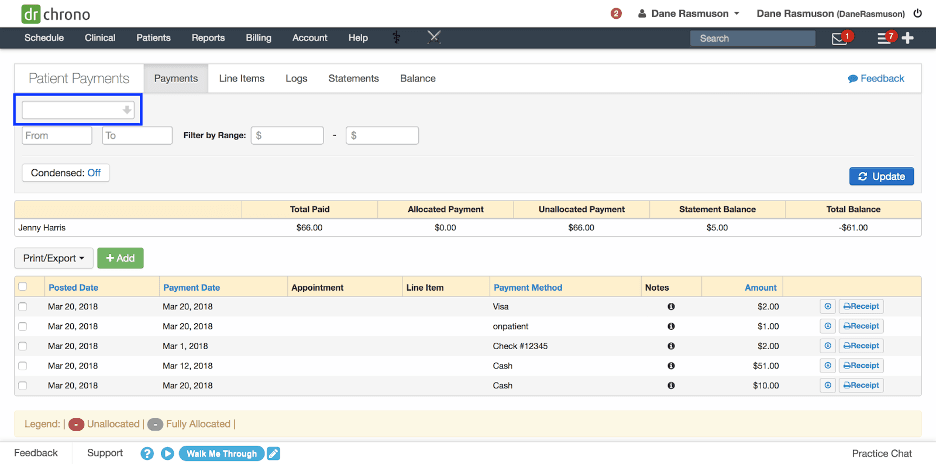
When you outsource your billing to a RCM service, you should still be able to monitor everything the team is doing in real-time. Before signing a contract, be sure you can see what coders and billers are doing on your behalf in your practice management software. You may have to switch to a new platform for certain medical billing services, as well, but others could integrate with your existing medical software suite.