Business.com aims to help business owners make informed decisions to support and grow their companies. We research and recommend products and services suitable for various business types, investing thousands of hours each year in this process.
As a business, we need to generate revenue to sustain our content. We have financial relationships with some companies we cover, earning commissions when readers purchase from our partners or share information about their needs. These relationships do not dictate our advice and recommendations. Our editorial team independently evaluates and recommends products and services based on their research and expertise. Learn more about our process and partners here.
Navigate today's competitive dining landscape with proven strategies to help your eatery grow and thrive.


Running a restaurant has never been easy, but today, it’s more demanding than ever. Between rising costs, labor shortages and shifting diner expectations, even experienced restaurateurs are rethinking what it takes to stay competitive. With customers having more dining options and delivery choices than ever before, standing out requires more than good food.
The good news? Success is still well within reach. Restaurants that focus on consistency, embrace modern technology and cultivate strong teams can turn everyday operations into lasting growth. Whether you’re running a neighborhood café or managing multiple locations, the right strategies can help your business do more than survive: They can help it thrive.
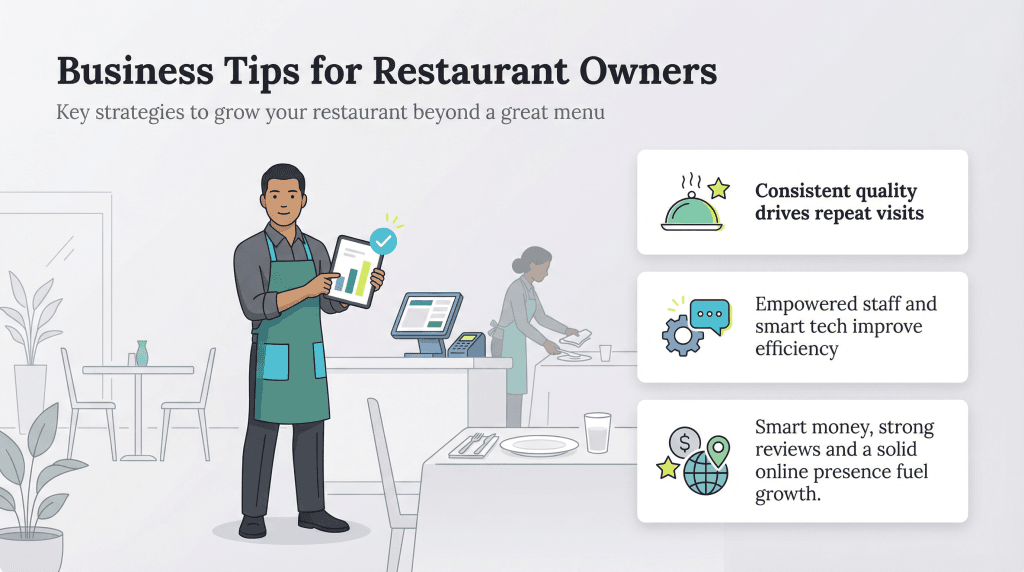
There are many things to consider before starting a restaurant, from deciding whether your restaurant should only accept credit cards to understanding what level of restaurant security your eatery needs. But once your doors open, success depends on more than a great menu.
Running a restaurant takes continuous adaptation and improvement while keeping revenue steady and positioning for growth. The following proven strategies can help you elevate your food service business to new heights of quality, reputation and success.
Consistency is what separates good restaurants from great ones. Whether you run a small café or a busy bistro, customers return because they know exactly what to expect: great food, reliable service and a familiar, welcoming atmosphere.
Delivering that level of predictability takes clear communication and teamwork. Make sure your kitchen and front-of-house staff understand your quality standards and why they matter. Set clear expectations, keep training current and motivate your team to maintain those standards, even during your busiest rushes.
Over time, standards can slip without anyone noticing, so it’s important to stay vigilant on quality. Taste your menu items weekly, review cleanliness daily and track service times to spot slowdowns before they affect guests. Some owners even bring in mystery diners during peak hours for unbiased feedback on the entire experience. The goal isn’t perfection; it’s dependable excellence, day after day.
Successful restaurateurs know that delegation isn’t about losing control; it’s about building trust. Strong teams thrive when leaders share responsibility for key areas like finances, HR, scheduling and inventory. Start by giving trusted managers, chefs and senior servers more ownership of daily operations, then provide the guidance and support they need to succeed. Clear communication and consistent follow-up keep everyone aligned as they take on new challenges.
The best HR software for restaurants can also make staff management easier by streamlining scheduling, tracking performance and simplifying payroll and compliance.
As your business grows, recognize where your own strengths lie and delegate accordingly. Assign tasks to team members who excel in those areas; it not only boosts efficiency but also shows that you trust and value their abilities. Create an empowered employee culture where team members feel like partners, not just workers. Encourage team-building activities, celebrate wins and create a workplace people genuinely want to be part of.
By involving staff more in the day-to-day running of your restaurant — and seeing them as more than just employees — you’ll free up time to focus on growth while strengthening loyalty and motivation across your team. When you have highly motivated employees, your whole business benefits.
The idea of growing your restaurant can be exciting, but opening a new business location isn’t always the best idea. Instead, you may be able to expand your current space to meet your needs. For example, if your restaurant is consistently packed to capacity, is there a way to move into a nearby area or add new seating sections? These moves could increase revenue while still keeping costs manageable.
Run the numbers — include renovation costs, lease adjustments and new equipment — to be sure the investment makes sense for your long-term goals.
If a second location is on your radar, do your homework first. Conduct market research to confirm there’s real demand in the new area. Study local demographics, competitor offerings and nearby foot traffic before signing a lease.
Starting a new restaurant or opening a new location usually requires more capital (and more time) than expanding what’s already working. Careful planning now can help ensure your next move builds on the success you’ve already earned.
Online reviews can make or break a restaurant. According to BrightLocal’s 2025 Local Consumer Review Survey, 97 percent of consumers read online reviews before choosing a local business, and restaurants are among the most reviewed. That means every comment counts.
Active review management should be a regular part of your operations. Aim to respond to all online reviews, both positive and negative. Acknowledging feedback shows that your business values guests’ opinions and pays attention to their experiences. When a bad review appears, respond promptly and professionally; constructive communication demonstrates accountability and can encourage trust from other potential diners.
If a guest has a great experience, don’t hesitate to ask them to share it online. Consistent, genuine engagement with reviewers can help boost your reputation and improve overall ratings over time.
According to industry data from the National Restaurant Association, food costs typically make up about 32 percent of revenue for full-service restaurants. That’s why every purchase decision matters. Your goal is to source high-quality ingredients while keeping margins healthy.
Financial discipline shouldn’t stop at food costs. Apply the same mindset across all areas of your operation. Quality counts, but overspending threatens sustainability.
Look for ways to cut business costs wherever possible. Choose a restaurant payment processor that offers low fees and quick settlements. Compare equipment leasing and purchasing options to see which best fits your cash flow, and always negotiate with suppliers for volume discounts. Many vendors also provide trade programs with preferential pricing or design support for qualifying restaurants.
Your restaurant’s online presence is often the first impression potential diners get — and it can make or break their decision to visit. A strong digital footprint helps guests find you easily, learn what you offer and feel confident choosing your eatery over the competition.
Your first step is creating a complete Google Business Profile and keeping your information consistent across local directories. Maintain active social media accounts where you can share menu updates, behind-the-scenes moments and special promotions. Your website serves as your digital front door, so make it inviting: include current menus, accurate hours, clear location details and professional food photography that highlights your best dishes.
Food inflation continues to pressure restaurants. According to recent BLS data, wholesale food and feed prices rose about 2.6 percent over the 12 months ending August 2025. While that’s far lower than the spikes seen in previous years, even modest cost increases can affect profitability.
Keeping menu prices flat as expenses climb cuts into margins, but sudden price hikes can drive away loyal guests who have budgeted for their dining experiences.
To strike the right balance, review ingredient costs and menu pricing on a regular schedule; quarterly is ideal. Many restaurants handle price changes gradually rather than all at once. Others review their menus to see if portion sizes, ingredient choices or product mix can be adjusted to manage costs while keeping customers satisfied.
Attracting new customers to your restaurant is always important, but your regulars are the ones who keep the business steady. Local restaurants thrive on repeat guests, the ones who recommend you to friends, bring family back for birthdays and become part of your community.
Try different ways to strengthen customer retention and engagement, like themed nights, loyalty programs or tasting events. The goal isn’t just to bring in new faces but to give loyal customers a reason to keep coming back.
The latest restaurant technology can help owners improve efficiency, accuracy and guest satisfaction while keeping costs in check. The right tools can simplify everything from staffing and sales to inventory management and customer communication. Here are a few examples:
Your eatery type will likely influence the restaurant technology you need. For example, there are dedicated bar POS systems with excellent food and alcohol inventory tracking and tipping options, while food truck technology can help with on-the-go operations. It’s a good idea to stay up to date on emerging tech trends to ensure your systems grow with your business and keep you competitive in an evolving industry.
Takeout and delivery are now staples of the restaurant industry, and they’re not going anywhere. According to the National Restaurant Association, 47 percent of U.S. adults pick up takeout from restaurants, delis and other eateries at least once a week, and 37 percent use delivery services just as frequently. To meet this steady demand, many restaurants operate a mix of third-party and in-house delivery options to expand customer reach and manage expenses.
If you’re considering working with GrubHub, DoorDash or another service, weigh the costs carefully. Most providers charge commissions between 15 and 30 percent per order, and some include additional service or delivery fees. Still, despite the charges, these services can help busy restaurants keep order flows steady and handle deliveries during slower periods without increasing labor costs.
Online reservation platforms make it easier to manage bookings and attract new guests. Services like OpenTable, Resy and Yelp Guest Manager let restaurants handle reservations, waitlists and confirmations automatically, saving time for staff and reducing no-shows.
Each platform has different pricing and features. Some charge a monthly subscription or cover fee (e.g., OpenTable starts at $149 per month), while others offer tiered plans based on the number of reservations. Before signing up, review the details carefully to understand both the benefits and the costs.
Many restaurants use a hybrid approach, accepting reservations through multiple platforms while still encouraging direct bookings. This strategy helps expand visibility, maintain flexibility, and build your own customer database for future marketing.
A knowledgeable accountant who understands the ins and outs of restaurant accounting can make a huge difference in your restaurant’s long-term profitability.
An experienced restaurant accountant tracks key costs such as food, beverages and labor, spotting issues early before they affect cash flow. They can also help you plan for tax season, negotiate better vendor terms and make informed decisions about menu pricing. With the right financial guidance, your restaurant can operate more efficiently and grow sustainably over time.
Your rent doesn’t stop overnight, so unused daytime hours can be a missed opportunity. Many restaurants boost revenue by finding creative ways to use their space outside of regular service. If your kitchen staff is already on-site for prep work, consider adding a simple lunch or brunch menu aimed at office workers or local residents.
You can also think beyond traditional meal service. Offer cooking classes, wine tastings or hands-on workshops that highlight your team’s expertise. Some restaurants rent their space for private events, corporate meetings or pop-up collaborations during slower hours. These efforts not only generate extra income but also strengthen community ties and keep your brand visible between peak dining times.
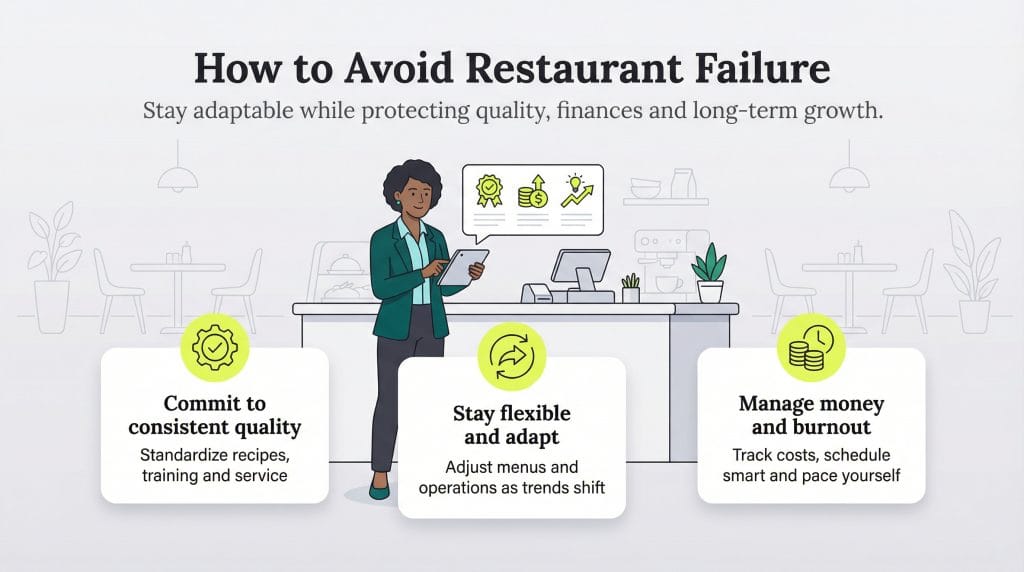
Many restaurant closures come down to preventable issues, like slipping quality standards, resistance to change, burnout or poor financial oversight. The good news is that these challenges can be managed with awareness and consistency. Staying flexible, refining operations and planning ahead help you adapt as customer expectations and market conditions evolve.
By applying the strategies above and keeping a steady focus on execution, you’ll give your business the best chance to thrive long term. Commitment to quality, smart management and strategic improvement can help your restaurant increase profits and grow, even in a competitive market.