Managing your business finances begins with organizing your books. Proper accounting is critical to make informed decisions about your money. Not sure where to start? We’ve got you covered with these accounting guides, tips and tools.
Choosing accounting software that can scale as your business grows can save you time and money down the line. Here’s how to find scalable accounting software.
The best business bank accounts combine low fees with convenience. Our picks include the banking services of Axos, Capital One, American Express, Novo and Found.
Navigating small business accounting isn’t easy. Learn how SMB owners can manage their company’s finances successfully by overcoming these 12 common obstacles.
Multi-entity accounting involves maintaining distinct boundaries while still being able to centralize the data. ERP systems like Intuit Enterprise Suite can help.
To start your business, you’ll need money and sometimes borrowing funds is fine. Without proper management and care, though, debt can become problematic.
Invoicing is crucial for small business cash flow. Learn how to create an effective professional invoice that increases the likelihood of timely payments.
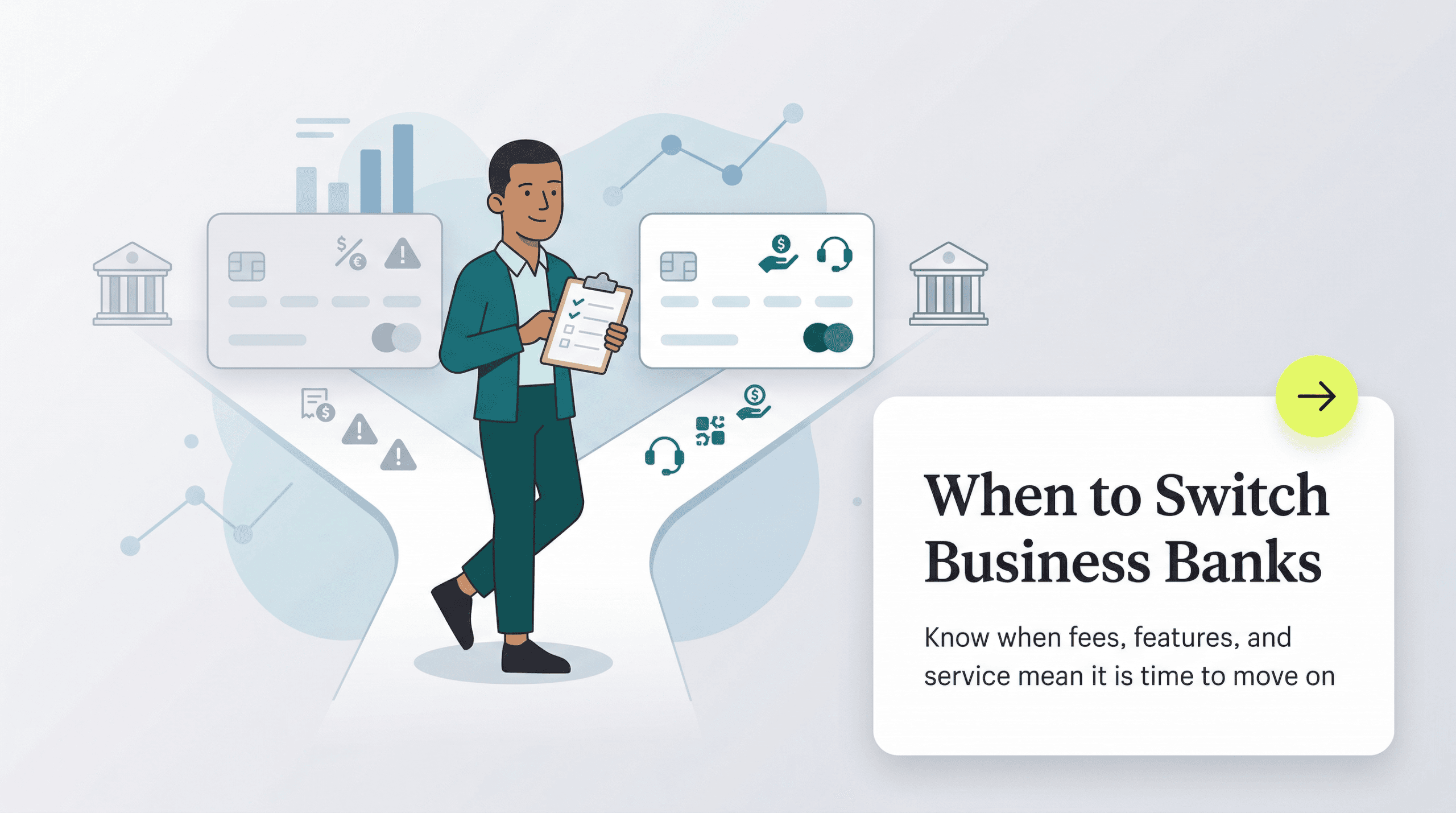
It may be time to switch business banks when you’re paying high fees, customer service is lacking or you’ve outgrown the services your current bank offers.
Being denied for a business bank account could be a major setback, but you’re legally entitled to an explanation that outlines why you were denied and how you can fix it.
Business checking and savings accounts may both have a place in your business, but they’re used for very different purposes. Here’s what you need to know.
Separating your personal and business finances is an important first step in accounting best practices, and having a dedicated business bank account can help.
A break-even analysis offers financial insight to a business. Learn why it’s essential to making informed decisions and how to apply it within your company.
Learn how to reconcile your business’s bank account by comparing your recorded transactions to the bank statements. Then, you can follow up on any errors.
In order to pay your employees correctly each pay period, you need to know how to calculate gross and net pay. Learn how to ensure your payroll is precise.
Learn how five top restaurant employee-theft scams work. We'll show you how to stop losing money to employee theft and retake control of your restaurant.
Set up an accounts payable process to ensure vendors are paid on time, reduce duplicate payments, and maintain accurate financial records for your business.