In today’s competitive landscape, businesses are constantly competing for customer attention, often with promises of better deals or extra perks. Your existing customers, however, are usually your most reliable source of revenue, which makes keeping them engaged and coming back especially important.
Many small businesses use loyalty programs to reward customers with discounts, perks and exclusive benefits that encourage repeat visits and stronger relationships. When done well, these programs can increase sales, boost engagement, sustain and grow customer relationships and drive long-term growth. Below, we share five practical ideas to help you strengthen your loyalty program and make it more rewarding for both your customers and your business.
Loyalty programs can directly influence spending. In a
Deloitte consumer survey, 72 percent of respondents said loyalty programs make them more likely to spend with their preferred brand, while 56 percent said they actually increase how much they spend because of the program.
5 ideas for your loyalty program
Chris Barnett, a customer loyalty and engagement expert and vice president of Kobie Marketing, believes the key to a successful loyalty program is to make it a core part of the customer journey and branding experience.
“Your loyalty program should be woven into the customer journey, from browsing to buying, online and in-store,” Barnett explained. “It’s not a side initiative; it’s the lens through which customers experience your brand. If the program isn’t visible and impactful at every touchpoint, you’re leaving engagement on the table.”
Building on these insights, here are five ideas for maximizing customer loyalty, generating more revenue and creating a great customer experience with a loyalty program.
1. Plan unique offers in exchange for loyalty reward points.
Design your loyalty program so members can redeem points for exclusive experiences, not just standard discounts. Limited-time perks, early access or members-only rewards make the program feel more valuable and worth joining. They can also motivate customers to spend more, so they earn additional points and unlock better offers.
Additionally, be sure to link your loyalty program to holiday marketing whenever possible to boost engagement during this busy shopping season.
2. Give special rewards for loyalty program referrals.
Encourage your existing customers to share your loyalty program with friends and family. Word-of-mouth recommendations still carry a lot of weight, especially when they come from people customers already trust. To make referrals more appealing, consider offering new members a small incentive, like a first-purchase discount, to get them through the door.
Just as important, don’t forget to reward the customer who made the referral. Thanking them with points, perks or exclusive rewards reinforces the behavior you want and turns happy customers into long-term brand advocates.
Keep it simple. Loyalty programs don't need to be complicated to work. Even a straightforward referral offer — such as a coupon or bonus points — can go a long way toward driving engagement and
repeat business.
3. Roll out a bonus-point campaign for your loyalty program.
Bonus points are a simple way to add excitement to your loyalty program and encourage customers to spend more. Many customers are motivated by the chance to earn extra points, making bonus-point campaigns an effective engagement tool.
Here are a few ways to run a successful bonus-point campaign:
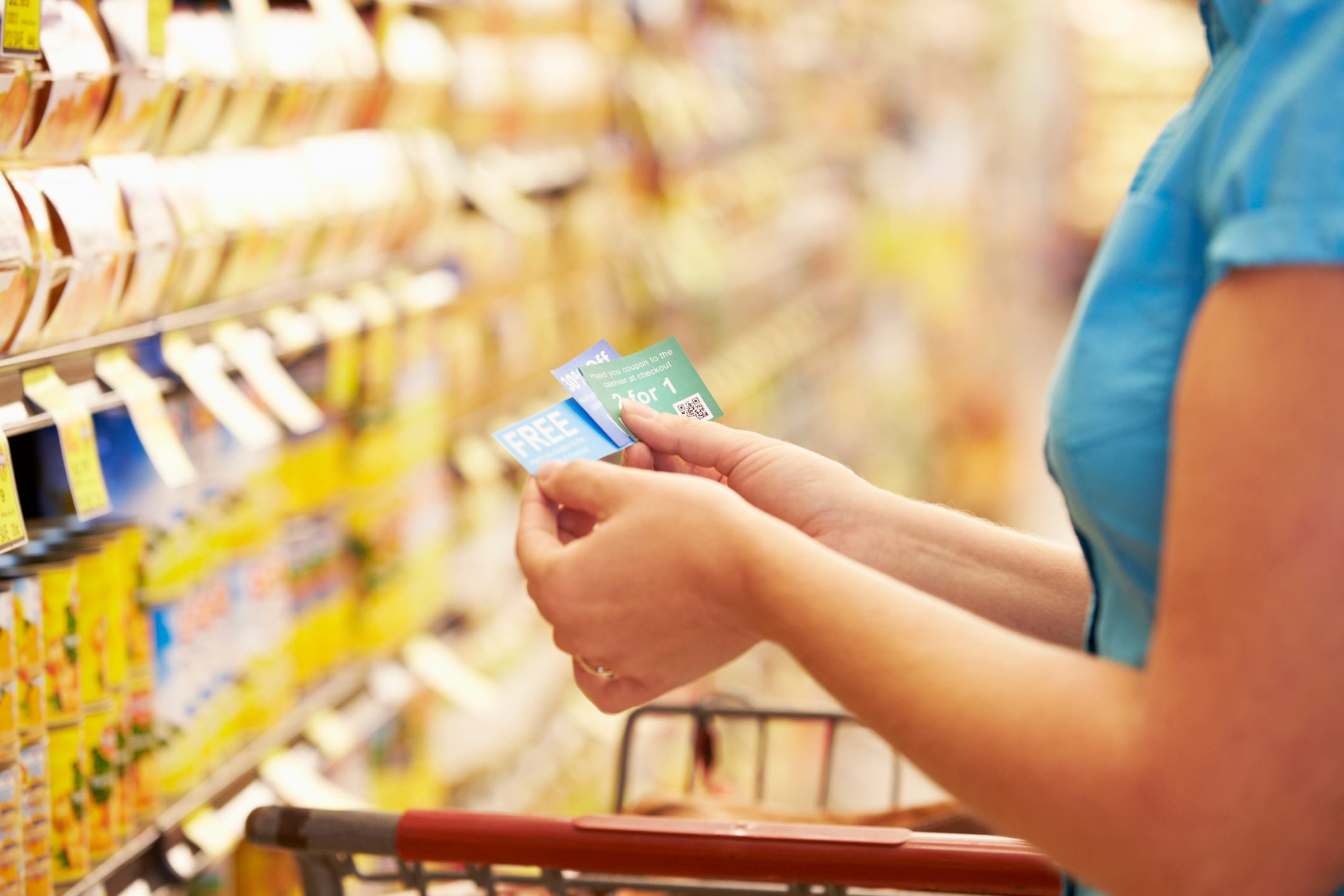
- Focus on a specific product or service. Promote a particular offering and award extra points when members purchase it.
- Reward multiple-item purchases. Give bonus points to customers who buy multiple products in a single transaction from your online or brick-and-mortar store to help increase average order value.
- Promote your campaign across channels. Use social media marketing to spread the word and drive traffic to your store or website. You can also highlight the campaign on your homepage and relevant product pages.
- Tell loyal customers about the campaign. Don’t rely on email marketing campaigns alone to promote bonus-point offers. “Using email for a loyalty program can leave more than 80 percent of your customers in the dark because email read rates are just that low,” cautioned Barbara Casey, CEO of Mobile High 5. “So sending a reward out by email just isn’t that effective at driving customers back in the door.” Text message marketing can be a strong backup option with significantly higher open rates.
- Target high-value customers. Focus bonus-point campaigns on customer segments that already spend the most with your business.
- Use bonus points to grow membership. Offer extra points to repeat customers who haven’t joined your loyalty program yet, and make it easy for them to sign up.
4. Organize a prize drawing for your loyalty members.
Reward loyalty program members by entering them into a prize drawing for a high-value reward. You can also include customers who have made recent purchases to encourage continued participation. A well-timed drawing can help re-engage members who may have gone quiet.
Prize drawings are an effective way to generate excitement around your business and boost brand awareness. They reward your most loyal customers while also attracting new interest in your brand.
5. Give loyal customers priority access.
Show appreciation by giving loyalty program members early access to new inventory, sales or limited-time offers. Letting them shop first or secure discounted pricing reinforces the value of membership and makes customers feel recognized. A quick email or text letting them know they’re first in line can go a long way.
Customers tend to respond well to this kind of exclusivity. It builds trust with your most loyal audience and can also motivate other shoppers to join your loyalty program.
User-generated content can be a powerful addition to loyalty campaigns. Encourage members to share photos or videos of themselves using your product and explaining why they like it. You can offer a small prize for standout submissions and feature that content in your marketing (with permission).
More tips for loyalty programs
Consider the following additional tips to boost your loyalty program’s effectiveness:
- Partner with another business. Create a strategic partnership with another business so loyalty program members receive discounts at both venues. “Strategic partnerships with complementary brands can broaden the scope of your program and deliver value in ways that resonate with diverse customer needs,” Barnett said. “This isn’t just about adding rewards; it’s about strengthening the program’s relevance in their daily lives.”
- Join a broad loyalty card scheme. Consider joining a loyalty card program that includes multiple retailers. “While proprietary programs, like Starbucks Rewards, offer a great, brand-specific experience, merchant-funded programs take it a step further by allowing customers to earn with one brand and redeem with another,” explained Mark Jackson, managing director of product at loyalty and rewards program organizer Valuedynamx. “This kind of flexibility is what today’s consumers really want — research shows that 88 percent prefer loyalty programs that offer this kind of choice, and 75 percent value having multiple partners to choose from.”
- Incorporate omnichannel strategies. Casey recommended that retailers use a kiosk-based system so loyalty program benefits apply whether customers are buying online or in person. “When a customer enters their number into that kiosk or makes a transaction through a POS [point-of-sale system] where it has been integrated, they are joining that loyalty program and opting in to that text program,” Casey explained. “Now that same customer can shop online, and if they earn a reward, they can just as easily walk into a physical store, and it will be waiting for them to redeem on that kiosk.”
- Create a social club for loyalty program members. Luxury brands often invite members and favored customers to social events to help them feel part of something special. You could host similar events once or twice a year. Alternatively, consider after-hours get-togethers at your location to launch a new product or service for members first. Ensure there’s plenty of food and drinks.
- Build an online community. Create an online community for loyalty program members that’s available around the clock. Customers can connect and discuss shared interests related to your brand. A forum, Discord channel or Facebook group can all work well. Keeping the community invitation-only helps maintain a sense of exclusivity.
- Use POS tools to support your loyalty program. The best POS systems match customers’ contact details with their purchase history. Use this information to create a seamless experience for members in-store, on your website and in your app. (Check out our review of Lightspeed to see how modern POS systems integrate loyalty tools into their platforms.)
- Promote your loyalty program on savings sites. Many consumers look for the best deal before making a purchase. Sites like Savings.com (owned by business.com’s parent company) and DealNews can be effective places to promote your loyalty program.
- Revise your loyalty program periodically. Your loyalty program should evolve alongside your business and customers. Refresh campaigns and program elements as needed. “The best programs never stand still,” Barnett said. “Test, learn and adapt based on what’s working and what’s not. Programs need to grow with your customers, staying relevant as preferences and market conditions evolve.”
- Don’t overdo loyalty program discounts. Balance is key. Offer discounts and giveaways thoughtfully so they drive engagement without cutting too deeply into your margins.
Loyalty program best practices
To maximize the success of your loyalty program, keep the following best practices in mind.
Create experiences customers will love.
Today’s customers want to save money and feel valued, which makes exclusive, well-designed experiences especially important. The experts we spoke with shared the following insights on creating a great customer experience through loyalty programs:
- Highlight exclusive offers that save customers money. Barnett noted that exclusive experiences are especially important when household budgets are tight. “Consumers aren’t just looking for deals; they’re looking for meaningful, rewarding connections with brands they trust,” Barnett explained.
- Personalize your rewards and offerings. Jackson emphasized the importance of relevance and personalization. “Shoppers want to feel like they’re getting deals just for them, and those deals should reflect what they actually want,” he explained. “For example, Valuedynamx research shows that 59 percent of U.S. cardholders check for merchant offers linked to their cards before they shop. Providing one-of-a-kind, tailored offers based on data can increase engagement and give brands deeper insights into customer behavior.”
- Offer insider experiences. Joseph Yetter, general manager of engagement cloud at PAR, which runs restaurant loyalty programs, recommended rewarding loyalty with exclusive, insider experiences. “A good strategy is to offer ‘insider’ experiences, such as exclusive product previews, members-only events or VIP tiers,” Yetter advised. Restaurants, in particular, can also invite loyalty members to share feedback or help co-create limited-time offers, which strengthens engagement and community ties. According to Yetter, insider experiences help customers feel valued and build deeper loyalty over time.
Monitor your loyalty program data.
A loyalty program’s success depends not just on how it’s designed, but on how well it’s integrated with your POS system and e-commerce platforms — and how effectively you use the data it generates over time.
- Gather a full picture of your customers. Barnett recommended combining transactional, behavioral and emotional data to get a fuller picture of your customers. “This data enables you to personalize rewards, offers and communications based on customer preferences and engagement patterns,” he said.
- Understand the value you’re creating. Barnett also suggested tracking your return on data by comparing the value created through data-driven initiatives with the cost of collecting and processing that information. “This approach helps identify which strategies are driving the most value, allowing you to refine your loyalty offerings and enhance both customer satisfaction and program profitability,” he noted. “By continuously optimizing based on insights, brands can ensure their loyalty programs remain relevant and impactful.”
- Use data to personalize your approach. Jackson echoed the importance of personalization driven by data. “By using data to understand customer preferences and behavior, brands can create personalized offers that resonate with the right audience,” Jackson said. “Personalization should be [tailored] to an individual shopper versus to a certain type of shopper. This targeted approach increases engagement and ensures rewards feel relevant to customers.”
Measure the success of your loyalty program.
Measuring the success of a loyalty program isn’t just about tracking sales. To understand whether your program is sustainable and effective over time, you’ll want to look at a mix of profitability, engagement and retention metrics. Here’s what to focus on:
- Protect your margins while rewarding loyalty. Greg Zakowicz, a digital marketing expert and consultant, emphasized the importance of keeping loyalty rewards profitable. “Make sure that rewards don’t eat into your profits,” Zakowicz cautioned. “Options like early access to sales, new products, exclusive content or previews cost little but still make customers feel appreciated. Another good approach is offering rewards tied to social impact, such as charitable donations made in a customer’s name, which create meaningful value while keeping costs manageable.”
- Balance short-term engagement with long-term retention. Yetter recommended focusing on both short-term engagement and long-term retention to measure success. “Tracking customer churn rates and reactivation rates can also provide insight into how effectively the program retains members,” Yetter explained. “For example, running bonus-point campaigns — like double points during slow periods — and analyzing the resulting uplift in sales and visit frequency can provide clear metrics to measure program success.”
- Look beyond revenue alone. Zakowicz stressed that a loyalty program’s success isn’t just about the financial returns. “While it can be difficult to measure, a good starting point could be metrics like engagement frequency, community contributions and share-of-wallet growth,” Zakowicz said.
The benefits of offering loyalty programs
A well-designed loyalty program encourages repeat business and helps strengthen long-term customer relationships. Beyond customer retention, loyalty programs offer several additional benefits for small businesses:
- Loyalty programs can increase revenue. Customers who feel rewarded are more likely to return and spend more over time. When members clearly understand a program’s value, they’re also more inclined to work toward higher reward tiers, which can drive incremental revenue growth.
- They’re cost-effective to promote. Compared to traditional advertising, promoting special offers through email or text messaging is a relatively inexpensive way to move inventory and re-engage existing customers.
- They provide valuable customer data. When your POS system tracks purchase behavior, loyalty programs make it easier to segment your audience and deliver targeted promotions that are more likely to convert.
- They help keep customers loyal during change. Loyal customers are often more forgiving during price increases or market shifts. A strong loyalty program reinforces the relationship and gives customers a reason to stick with your brand over the long term.