Business.com aims to help business owners make informed decisions to support and grow their companies. We research and recommend products and services suitable for various business types, investing thousands of hours each year in this process.
As a business, we need to generate revenue to sustain our content. We have financial relationships with some companies we cover, earning commissions when readers purchase from our partners or share information about their needs. These relationships do not dictate our advice and recommendations. Our editorial team independently evaluates and recommends products and services based on their research and expertise. Learn more about our process and partners here.
Google Analytics can be instrumental in boosting your business and informing your marketing strategy. Here’s how to use it effectively.

Google Analytics is an incredibly valuable tool for businesses of all sizes. However, because of the complicated terms and metrics involved, it can be challenging to understand. This guide will explain Google Analytics, show you how to set up a Google Analytics account and highlight some of the tool’s essential metrics and terms.
Google Analytics (GA) is a free data analytics tool from Google that helps you analyze website and application performance. It seamlessly integrates with Google’s other marketing and advertising platforms, including Google Ads, Search Console and Data Studio.
Google Analytics 4 (GA4) is GA’s newest iteration. The previous version, Universal Analytics (UA), has been sunsetted and no longer collects and analyzes data. GA4 differs significantly from UA. For example, UA let you track various interaction types, including page views, events and transactions. You could also add “custom dimensions” to measure the specific criteria most important to your business.
GA4 replaces this process with event-based tracking. You’ll track many of the same metrics UA monitored with “event parameters” in GA4. These metrics include the following:
Andy Blewden, co-founder of PPC advertising agency DemandMore, said the GA4 updates were long overdue. “A lot of business is now done via apps as well as on websites now,” Blewden explained. “Apps often use much of the same technology as websites, so this was a natural extension.”
GA4’s updates also allow greater visibility across various devices and platforms. “As multichannel marketing becomes increasingly vital, being able to track activity from a single user over their entire journey is invaluable,” Blewden noted. “We have found it particularly useful because it helps us see where on the customer journey people drop off.”
GA4 doesn’t have a built-in site speed report the way Universal Analytics did. To measure page load time, you’ll need to set up custom event tracking (for example, through Google Tag Manager) or use a separate tool like Google PageSpeed Insights.
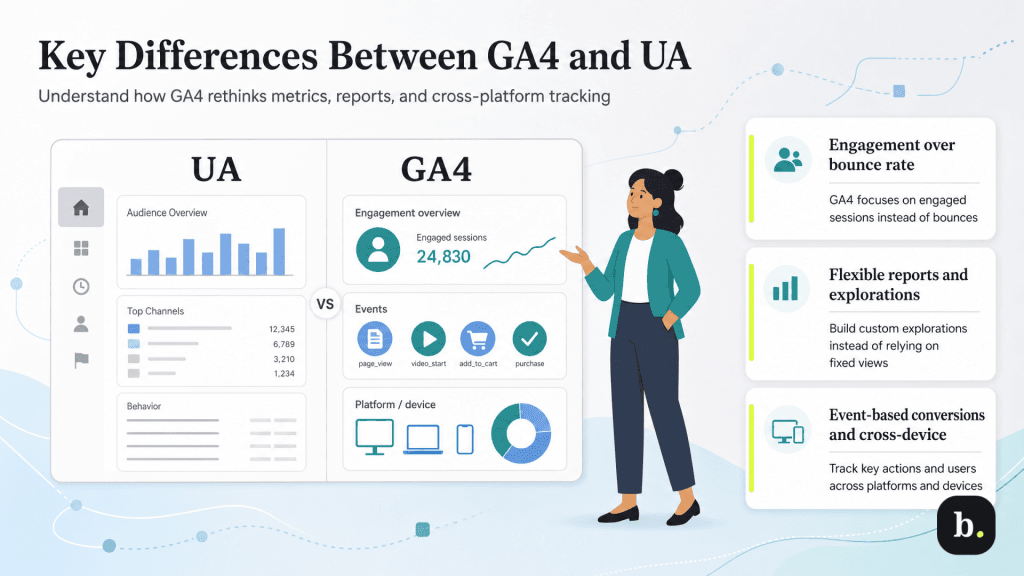
GA4 is essentially a complete reboot of Google Analytics. Some of the most significant differences between GA4 and UA include the following:
There are two versions of Google Analytics: one free and one paid. GA’s free version should give most small and midsize businesses everything they need, while the paid version allows access to more advanced features.
The paid version is called Analytics 360; it offers features conducive to enterprise-level business, such as:
Analytics 360’s subscription fee begins at $50,000 per year for 25 million events per month, with a cost-per-event fee after that. In contrast, the previous system under Universal Analytics cost $150,000 for 500 million visits per month.
Google Analytics can significantly impact your business because your website is the hub for most of your digital traffic. Your online marketing efforts, like social media marketing campaigns or search engine ads, will likely direct users to your website at some point. For this reason, analyzing your website is the best way to get a complete marketing analysis of your campaigns and how well they drive traffic.
“The best benefit of using Google Analytics is monitoring what channels your traffic comes from,” explained Mark Condon, founder and CEO of Shotkit. “We can easily see each source of traffic – Google CPC, Facebook, organic – that is color-coded in Google Analytics to show what number of visits are from that channel.”
Additional Google Analytics benefits include the following:
Google Analytics can help you measure and improve your marketing ROI by showing which campaigns drive the most website traffic and conversions.
Google Analytics provides a wealth of information about your website, marketing strategy and audience. It also allows you to monitor the following aspects of your website:
Additionally, GA provides the following valuable information:
However, to get the biggest benefits from Google Analytics, you should define your specific objectives before digging into the data.
“You should learn about how Google Analytics would benefit you specifically,” advised Tonya Davis, a freelance SEO strategist and analyst. “An e-commerce site owner will use GA differently than a blog site would. You need to know what goals you are trying to achieve to understand how Analytics can help you. Are you wanting more traffic? Better site engagement? Higher conversions? By having a clear goal in mind, you can learn exactly how to use Analytics to help you achieve it.”
Understanding the relevant metrics and terminology is crucial to get the most out of Google Analytics. Here are some critical terms and commonly tracked Google Analytics metrics:
Check out our list of 30 marketing data analytics terms to learn about the most critical metrics to monitor in your marketing campaigns.
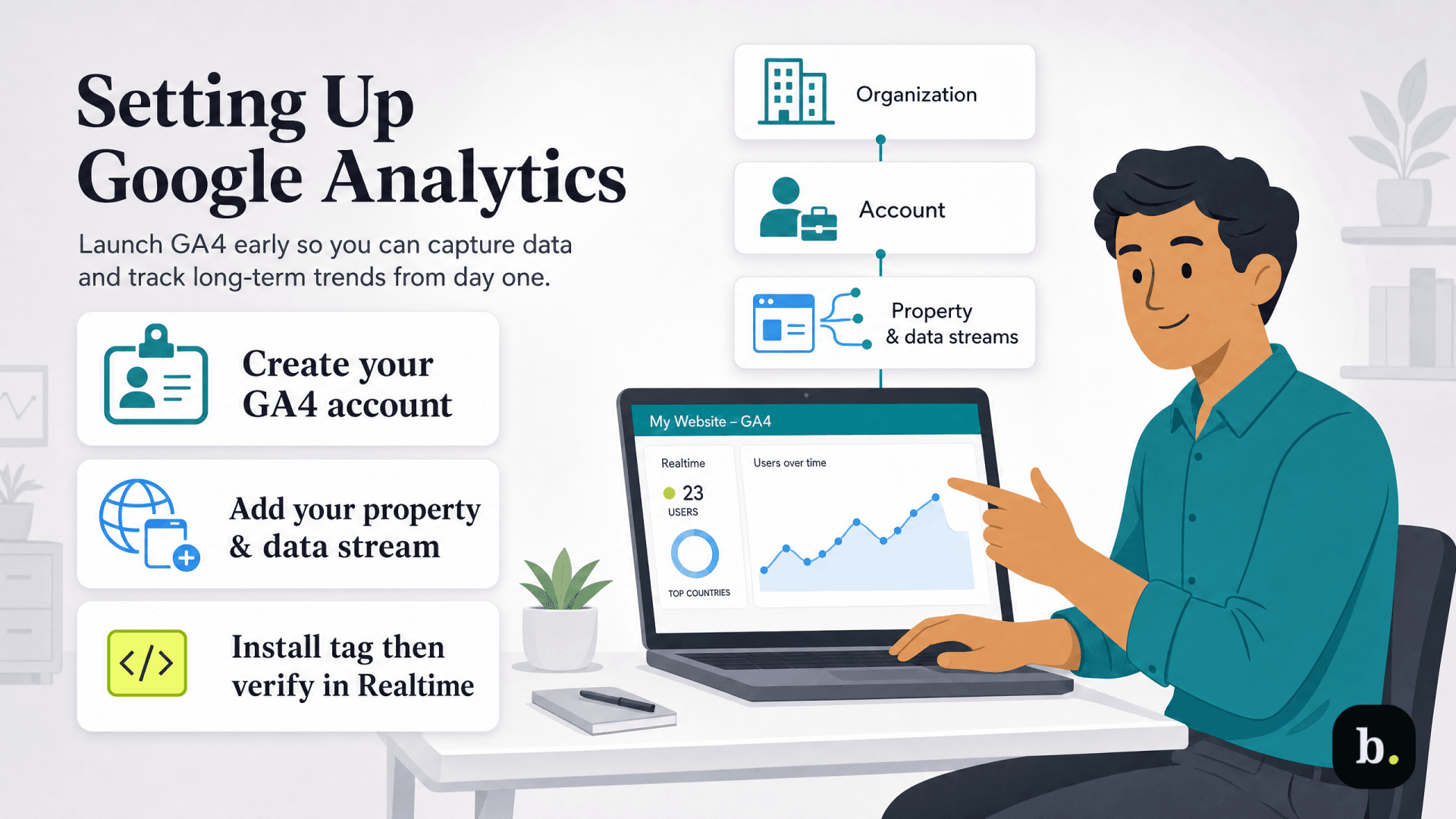
Setting up Google Analytics is straightforward and best done early. “Set up Google Analytics when you launch your website, even if you don’t know how to use it yet,” advised Michelle Bourbonniere, editor/copywriter/SEO at Words on the Rise. “Start collecting data from the beginning so you’ll be able to understand long-term trends.”
Take the following steps to set up GA:
Before you get started, understanding the GA4 hierarchy is essential:
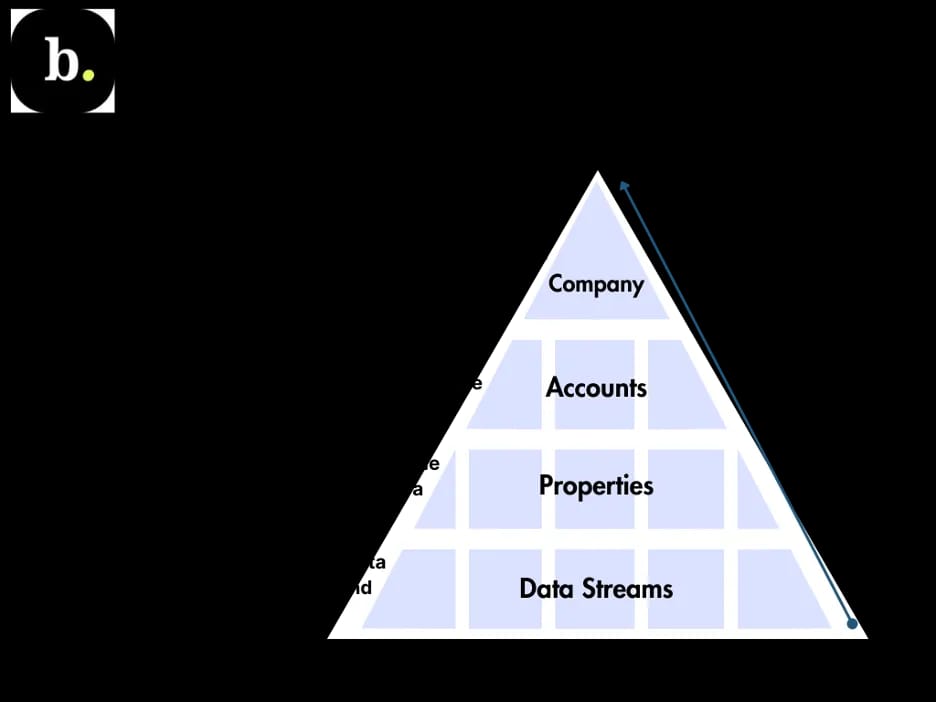
The hierarchy starts with your organization or business. You can hold multiple GA accounts at once. You can assign one property (website or app) to each account or assign multiple properties to one account. Each property can have various data streams, which replace the “views” concept from Universal Analytics.
Companies using the GA4 360 package linked to the Google Marketing Platform can also create subproperties as well as properties. Subproperties cost extra but allow for greater control over data access and filtering.
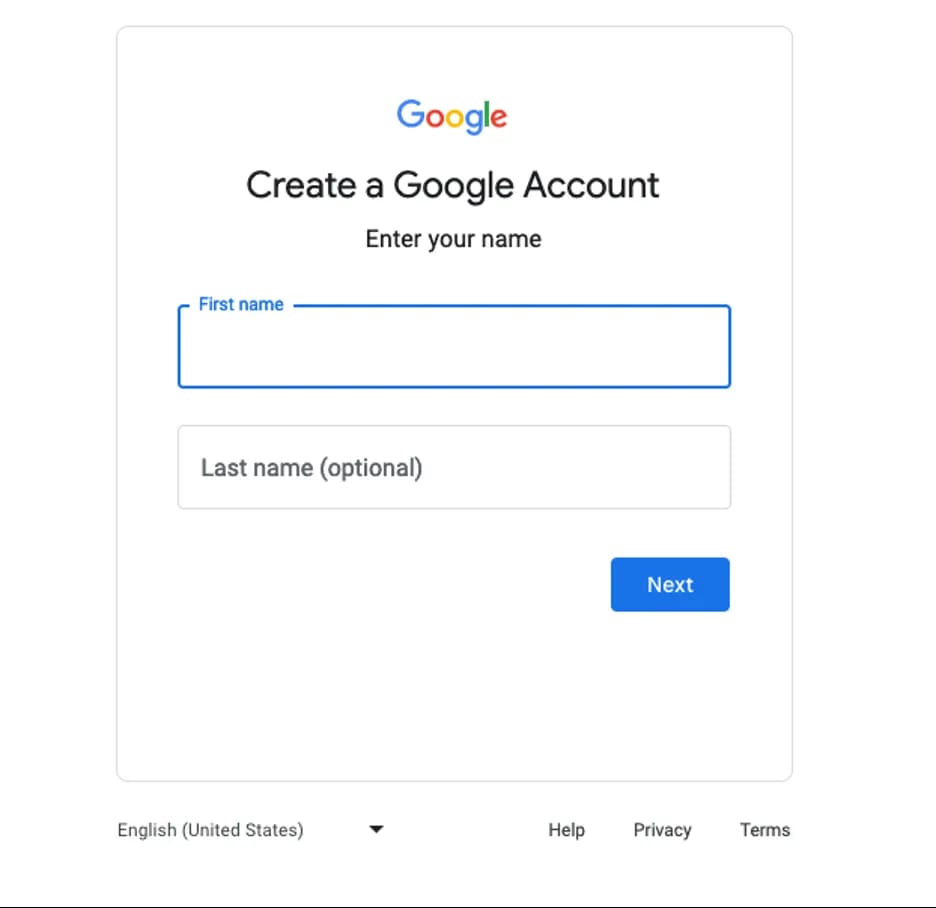
You need a valid Google account to register for GA4:
1. Go to the Google account creation page.
2. Under Choose a Google Account Type, select To Manage a Business.
3. Follow the prompts to create your Google account and set up your business. You will automatically receive a Google email address when you create your Google account.
Go to the Google Analytics account creation page and select Start Measuring. Follow the prompts to create your Google Analytics account. You’ll provide the following information:
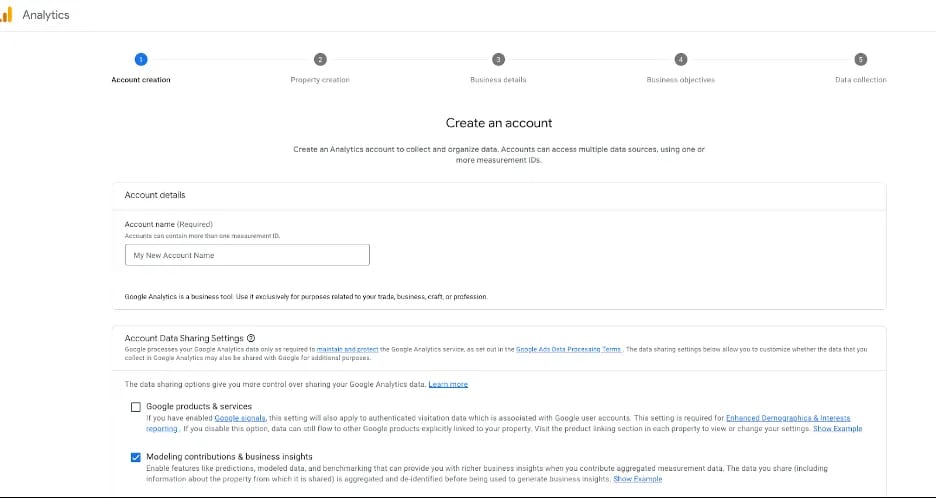
Next, choose which account you want to add the property (your website or app) to. At this point, you will create and name your property and enter the website URL. A property in GA4 can represent a website, an app or both.
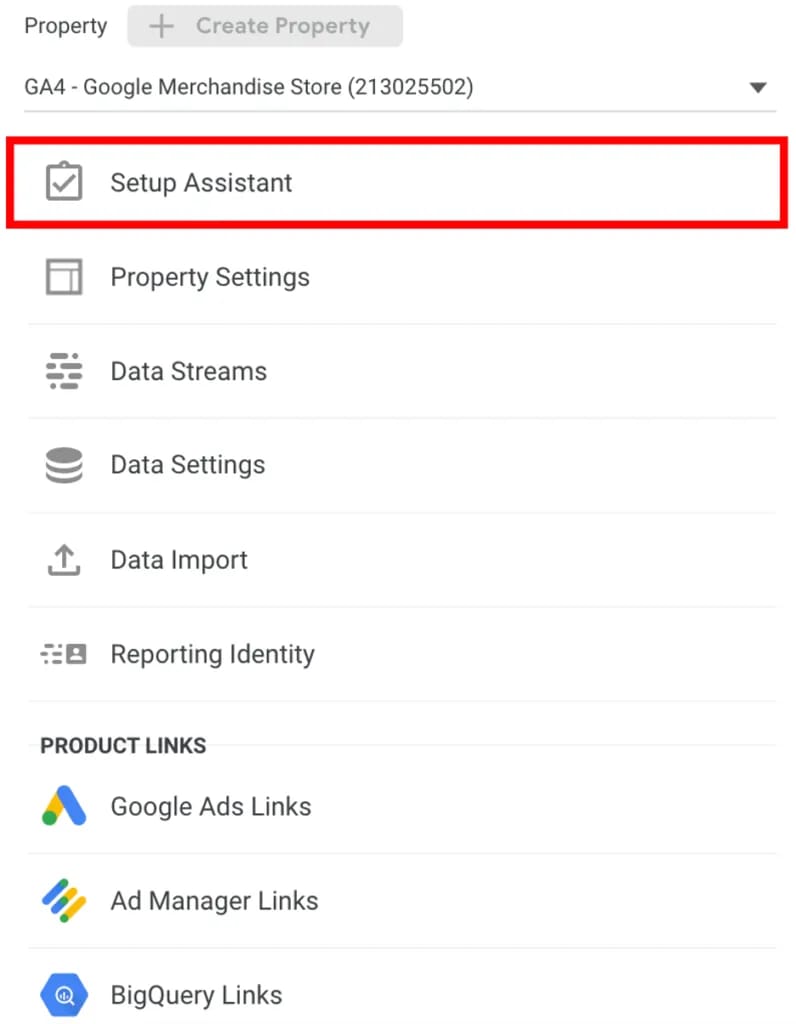
As previously mentioned, GA4 relies on data streams, not views. Go to your account and add a data stream to your property. Fill in the URL and give the stream a name. Here, you can toggle enhanced measurements on or off. Enhanced measurements are actions users can carry out on your site, such as downloading a file, watching a video or subscribing to a newsletter.
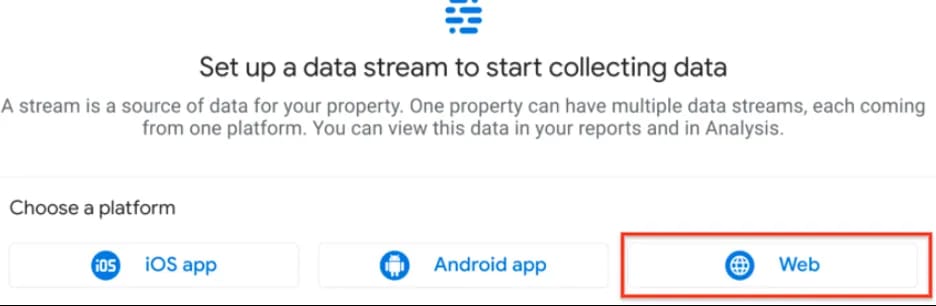
Creating a property gives you access to a measurement ID and a GA4 configuration tag. This is a tracking code you must add to every page you want to track. You can add the GA4 tag to your site in various ways, including using Google Tag Manager or a plugin for your CMS (content management system).
Finally, check that your GA4 setup is functioning correctly. You can do this by visiting the Realtime section in GA4 as you navigate your website on a different browser tab or your smartphone. If the setup is working correctly, the report will show at least one active user on your site.
In GA4, you can track customer journeys in the Life Cycle report collection. These reports help you see how people interact with your website and apps from initial acquisition to retention. More general user reports are available under the User tab with separate Demographics and Tech sections.
Life Cycle report segments include Acquisition, Engagement, Monetization and Retention. Read on for a description of each report segment, the actionable insights they can deliver and how they can shape your digital marketing strategy.
GA4 acquisition reports help companies identify their best-performing campaigns and traffic sources. This information can help you divert marketing spending to more successful routes.
Customizable reports include the following:
Use Engagement reports to discover how engaged users are with your website or app. These reports are Google’s new way of measuring engagement, replacing traditional metrics like bounce rates.
These reports can track the following:
Monetization reports in GA4 provide online retailers and publishers with the data they need to maximize revenue generation.
Those reports now include the following:
Retention reports measure customer loyalty to help reduce churn. Use these reports to inform reengagement campaigns, retention messaging programs, customer loyalty programs and more.
Primary retention reports include the following:
If you’re not confident about implementing Google Analytics in your business and gleaning insights from data analytics, consider hiring a freelance developer to help you get set up.
Google Analytics helps business owners better understand how they get traffic to their websites and apps and what people do when they’re there. GA monitors, analyzes and reports on how users find you, who your users are, how they navigate through your app or site, how they progress through your sales funnel and more.
Google Analytics offers business owners valuable insights on how traffic comes to their websites and apps, and what people engage with when they’re there. GA monitors, analyzes and reports on how users find you, who they are, how they move through your sales funnel and more.
Google Analytics is a valuable tool for companies that want to make more money from their websites and apps. However, there is quite a steep learning curve for new users and those without data analytics training. There is currently a shortage of data analysts, so you might want to take a GA course yourself to take advantage of the insights it offers.
Kiely Kuligowski contributed to the reporting and writing in this article. Source interviews were conducted for a previous version of this article.